What should you look for when buying?
Start with the physical fit and viewing distance. Then choose based on the viewing conditions that matter most to you, and check the specific TV rather than relying on its screen technology alone.
Compact 4K LCD or LED TV
Choose this option when: the available width or short viewing distance is your main constraint.
Bear in mind: check the viewing angle, reflections and picture quality of the specific model; you’ll also need 4K source material to enjoy the extra 4K detail.
OLED
Choose this option when: dark scenes or off-centre viewing matter to you, and the size fits your space.
Bear in mind: according to the Consumentenbond, QLED LCD TVs can often produce higher brightness; also compare reflections and the performance of the exact model.
Mini LED or QLED LCD
Choose this option when: you regularly watch TV in daylight and a suitable size is available.
Bear in mind: a technology name doesn’t guarantee that the screen has low reflections or is easy to see from every seat.
| What to consider |
What should you check? |
Who is this important for? |
| Size and placement |
Measure the viewing distance and available width, including space for the stand. In research published on 5 May 2026, the Consumentenbond suggests a comfortable viewing distance of around 2.4 times the screen’s diagonal; use this as a starting point, not a fixed rule. |
I want to follow documentaries comfortably without the TV dominating my narrow living room, so I measure both the viewing distance and the space available. Around 29% of consumers prioritise finding the right size and placement. |
| Dark scenes |
Compare a dark scene in your usual evening lighting. The Consumentenbond describes OLED, in general, as a technology that can display deeper blacks; also check whether the source includes HDR if you want to make use of HDR playback. |
When I watch images of space in the evening, I want to assess dark details in the lighting I use at home. Around 23% of consumers prioritise contrast and detail in dark images. |
| Daylight and reflections |
View the screen from your usual seat in your normal lighting conditions. According to the Consumentenbond, QLED TVs can often produce higher brightness; that alone doesn’t tell you how they handle reflections. |
If there are windows or lamps nearby, I want to know whether the picture will remain visible from my seat. Around 18% of consumers give the greatest weight to daylight and reflections. |
| Viewing angle |
Watch the same scene from the seats you use. The Consumentenbond describes OLED, in general, as a technology with a wider viewing angle, but results vary by TV. |
If I’m not sitting directly in front of the TV, I still want to watch comfortably from my usual seat to the side. Around 18% of consumers prioritise picture quality from an off-centre seat. |
| Dialogue and streaming |
Listen to spoken dialogue and check whether your preferred service works on the TV or through an external device. The range of documentaries varies by service, according to the Consumentenbond. |
I want to hear explanations clearly and use my chosen service without having to switch devices first. Around 12% of consumers prioritise clear dialogue and access to documentaries. |
Joybuy products
These Joybuy products are 43-inch TVs for anyone looking to keep the screen size down, with a choice of 4K LED and QLED models. Measure the space and check that the model you choose has the picture and streaming features you want.
 No image available
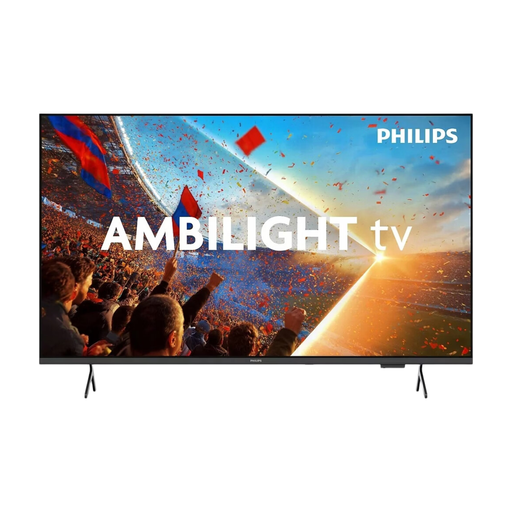
Philips 43PUS8001/12, 43 inch, 4K
A 43-inch option to compare if the space available limits your screen size.
4K UHD, 3-sided Ambilight, HDR10+, Dolby Atmos and Titan OS.
View at Joybuy
 No image available
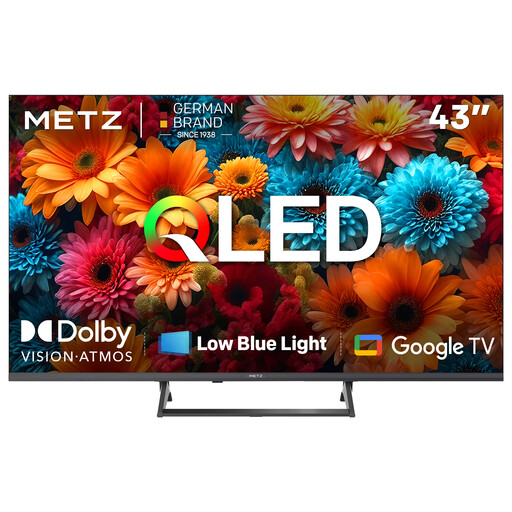
Metz 43MQF7500Z, 43 inch, QLED 4K UHD
This 43-inch model is worth comparing if you’re looking for a compact screen with QLED.
Google TV, HDR10+, Dolby Vision and Dolby Atmos.
View at Joybuy
 No image available
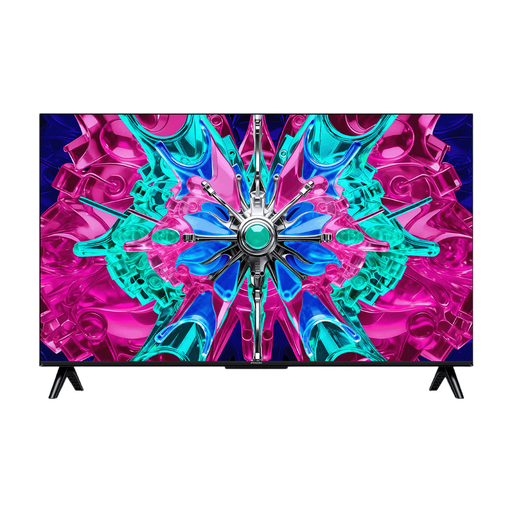
iFFALCON U65A, 43 inch, 4K LED
A 43-inch model to include in your comparison if you have limited space for a screen.
4K UHD, 50 Hz, HDR10, HLG, Google TV and Dolby Audio.
View at Joybuy
 No image available
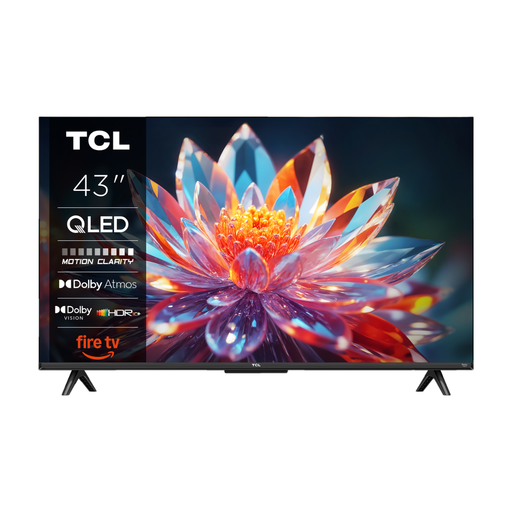
TCL 43T6C, 43 inch, 4K QLED, 120 Hz
This 43-inch model is a compact QLED option to assess alongside other screen technologies.
4K, 120 Hz, HDR formats, MEMC and Dolby Audio.
View at Joybuy
 No image available
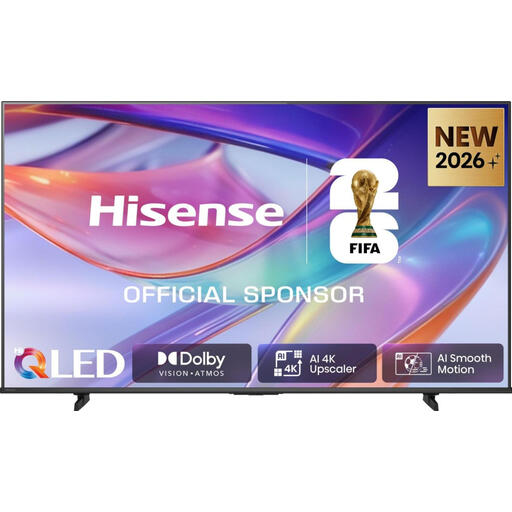
Hisense 43E7S, 43 inch, 4K QLED, 120 Hz
A 43-inch QLED model to compare if you’re looking for a compact 4K TV.
4K, 120 Hz, HDR and Wi-Fi.
View at Joybuy
Frequently asked questions
How do I choose a TV size for a narrow living room?
Measure the distance from your eyes to where you plan to put the screen, as well as the available width. The Consumentenbond suggests a comfortable viewing distance of around 2.4 times the screen’s diagonal; use this as a starting point and also check the TV’s external dimensions with the stand attached.
Is OLED better suited to dark scenes than QLED?
The Consumentenbond describes OLED TVs, in general, as being able to display deeper blacks and offer a wider viewing angle; according to the Consumentenbond, QLED TVs can often be brighter. Compare the exact model in your own lighting conditions, and also consider reflections.
Does a documentary need to be in 4K or HDR to make use of those features?
Yes. The documentary needs to be available in 4K to deliver the extra detail of a 4K source, and must include HDR information to make use of HDR playback. Check the episode, streaming service and TV model separately.
How do I compare the energy consumption of TVs?
For models that suit your space and how you plan to use them, compare the energy label in kWh per 1000 hours. Milieu Centraal recommends taking consumption per 1000 hours into account; then calculate your own usage based on your viewing hours and electricity tariff.
What are my rights when buying online or if my TV is faulty in the Netherlands?
According to ACM ConsuWijzer, for a standard online purchase of a product, the statutory cooling-off period ends 14 days after delivery; terms and exceptions depend on the purchase. The Rijksoverheid also states that you’re entitled to a product of satisfactory quality and can contact the seller to resolve the issue. This is separate from a retailer’s voluntary returns policy.


