For watching musical films from a side seat, an OLED TV is a natural first choice: the Consumentenbond generally describes OLED TVs as offering wider viewing angles and deeper blacks. An LCD TV with an IPS panel or a demonstrably wide viewing angle could also be suitable. However, you should assess panel contrast, reflections and sound separately; an audio format alone tells you nothing about how vocals will sound.
Who is this choice of TV most relevant to?
Side-seat viewer
You often sit at an angle to the TV during film nights and want the picture to stay clear, without noticeably fading or changing colour. RTINGS and the Consumentenbond highlight viewing angle as a factor to consider when comparing TVs.
Fan of films with dark scenes
You also watch in the evening and want to assess viewing angle and black levels together, without overlooking reflections. The Consumentenbond generally describes OLED TVs as suitable for deep blacks, although your room conditions still matter.
Listener who values vocals
You want to hear vocals and music clearly, so you assess sound quality and any connection to external audio separately. When connecting a soundbar, the Consumentenbond advises checking that both the TV and soundbar have HDMI (e)ARC.
Which factors determine your choice?
OLED TV
A good fit if: you often sit at an angle and want to watch dark scenes with deep blacks.
Bear in mind: assess reflections in your room and sound separately from the OLED screen; prolonged display of static images is also worth considering.
LCD with an IPS panel or wide viewing angle
A good fit if: having several seats to either side of the centre is important and you’re considering an LCD TV.
Bear in mind: RTINGS generally describes IPS LCDs as having wider viewing angles than VA LCDs, but lower panel contrast.
LCD with a VA panel
A good fit if: your main seat is directly in front of the screen and contrast matters more than the picture from a seat further to the side.
Bear in mind: RTINGS generally describes VA panels as having higher panel contrast but narrower viewing angles; check the specific TV.
| Point to consider |
What should you check? |
Who is this most important for? |
| Picture from a side seat |
Check colour and brightness from your usual side seat; if possible, look up viewing-angle measurements for the exact model. |
When I sit at an angle, I want colours and brightness to remain clear. Around 39% of consumers in this choice context prioritise the picture from the side. |
| Dark scenes and reflections |
Compare black levels and reflections in the lighting conditions you have at home. |
I want to follow dark musical scenes without overlooking reflections from windows or lamps. Around 23% of consumers in this choice context prioritise contrast and reflections. |
| Vocals, music and external audio |
Listen to vocals through the TV itself; if you want to connect external audio, check for HDMI (e)ARC on both the TV and the audio system. |
I need to be able to hear vocals clearly, even if I’m considering external audio. Around 23% of consumers in this choice context make sound their top priority. |
| Screen size and running costs |
Measure your viewing distance and compare energy labels for models in your preferred size, including the information for SDR and HDR. |
I want a screen that suits the available space and viewing distance, and I also keep an eye on energy use. Around 15% of consumers in this choice context prioritise size and running costs. |
Which mistakes can you avoid?
-
Assuming ‘QLED’ or ‘Mini-LED’ means a wide viewing angle
QLED is a type of LCD; viewing angle also depends on the panel and the specific model.
Check measurements for the exact model or view the picture from your own side seat before you decide.
-
Confusing an audio format with vocals that are easy to hear
Dolby Atmos support doesn’t tell you how the built-in speakers sound.
Listen to a clip with vocals and music. If you’re using external audio, check that the TV and audio system have compatible HDMI (e)ARC connections.
A soundbar or speakers need extra space and may mean additional costs.
-
Treating an older burn-in test as a prediction for a new OLED TV
The Consumentenbond discussed a test of models from 2017; its results don’t determine the outcome for a current model.
If you watch for long periods with fixed on-screen elements, vary the content and check the warranty terms for the exact TV.
Which brands are worth comparing?
LG
The OLED range is worth considering if you’re looking for a self-lit screen and cinematic contrast. The Dutch product information lists the OLED65C68LA model.
- For this model, LG describes OLED contrast and Brightness Booster.
- These are LG’s claims, not independent measurements of viewing angle or sound; assess those factors for your own seating position.
Philips
According to Philips, the Philips 65OLED810/12 combines an OLED screen with Ambilight, making it an option if you want ambient lighting to be part of your film night.
- Philips lists Dolby Vision and Dolby Atmos for this model.
- Philips’ claim about viewing the picture from an angle isn’t an independent viewing-angle measurement; assess reflections and vocals separately.
Sony
The Sony BRAVIA 6 is described as an OLED range; the product information lists several screen sizes, including a 48-inch model.
- The screen sizes listed may be useful if your available space calls for a smaller TV.
- There is no independent comparison of viewing angle, reflections or sound quality with the LG and Philips models mentioned.
Joybuy TVs to compare
This Joybuy selection includes 4K TVs with OLED and NANO designations. Compare the screen size and explicitly listed connections with your seating position, room and any external audio equipment.
 No image available
LG OLED65C68LA 65-inch OLED evo AI C6 4K Smart TV
This OLED model may be worth considering if you watch from a side seat; general information about OLED isn’t a viewing-angle measurement for this model.
65 inch, 4K, Dolby Vision, Dolby Atmos and a 40 W 2.2-channel system.
View at Joybuy
 No image available
LG 65NU800B6LA 65-inch NANO 4K UHD Smart TV
The 65-inch size may suit your viewing distance and available space; if you’ll be sitting to the side, check the viewing angle for this exact model.
4K UHD, HDR10, HLG, 20 W 2.0-channel system and HDMI eARC.
View at Joybuy
No image available
LG 55NU800B6LA 55-inch NANO 4K UHD Smart TV
The 55-inch size may be an option if it’s a better fit for your available space; if you sit at an angle, check the viewing angle for this model.
4K UHD, HDR10, HLG, 20 W 2.0-channel system and HDMI eARC.
View at Joybuy
 No image available
Samsung S85F Series GQ55S85FAU 55-inch OLED 4K TV
The OLED designation may appeal if you want to watch dark scenes; general information about OLED isn’t a model-specific measurement of viewing angle or black levels.
55 inch, OLED and 4K.
View at Joybuy
 No image available
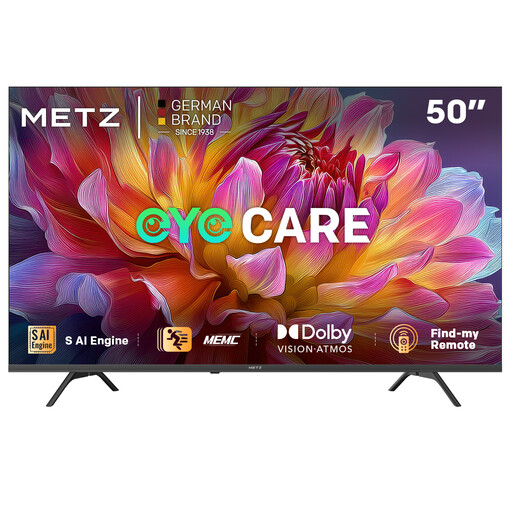
METZ 50MUF7000Z 50-inch Smart TV
The 50-inch size may suit a smaller space; the listed picture and audio formats aren’t measurements of viewing angle or sound quality.
4K UHD, Dolby Vision, Dolby Atmos and Google TV.
View at Joybuy
Frequently asked questions
How can you check the viewing angle before choosing a TV?
View the picture from the side as well, and compare colour, brightness and dark scenes with the picture viewed straight on. A horizontal viewing-angle measurement for the exact model can also help.
Does a soundbar need to support Dolby Atmos for musical films?
No. An Atmos logo doesn’t prove that vocals and music will sound good. Listen to the TV itself first, and if you’re connecting via HDMI, check that both the TV and soundbar have HDMI (e)ARC.
How can you keep an eye on energy use?
Compare the EU energy labels for the exact models, including the information for SDR and HDR. Screen size, viewing time and settings all affect actual energy use.
Are you automatically entitled to exactly two years’ statutory warranty on a TV in the Netherlands?
No. According to the Dutch government, the Netherlands doesn’t have a fixed statutory warranty period: you’re entitled to a product that works properly, and the retailer is your point of contact if something goes wrong. A manufacturer’s warranty is additional to those statutory rights.


