
Daytime viewing by tall windows
You often watch during the day and want to avoid reflections disrupting dark film scenes. The position of your windows in relation to the screen is worth considering when comparing TVs.


If tall windows face your screen and you often watch during the day, compare the brightness and direct reflections of the specific TV model; mini-LED LCD is a sensible option to consider. If you can control the light or often watch in the evening too, compare OLED as well for its deep blacks and wide viewing angle. Also assess the sound for vocals and music, check the connections if you might use external audio, and measure your viewing distance before choosing a screen size.
You often watch during the day and want to avoid reflections disrupting dark film scenes. The position of your windows in relation to the screen is worth considering when comparing TVs.
You want to hear vocals and instruments clearly and decide whether the TV speakers are good enough. Check the connections on your chosen model if you plan to use external audio.
You’re weighing daytime visibility against contrast and viewing angle in dim light, and want the screen size to suit your seating position.
Best for regular viewing with daylight falling on or facing the screen; compare the performance of the exact model.
Trade-off RTINGS.com often describes mini-LED TVs as suitable for bright rooms, but picture quality and black levels vary by model.
Best for viewers who can control the light or often watch in the evening, and value deep blacks and a wide viewing angle.
Trade-off assess the specific model’s brightness and reflections in daylight; prolonged display of static images carries a risk of burn-in with OLED, but this is not inevitable with normal film viewing.
With tall windows, direct reflections on the specific model and the position of your windows are important considerations. Vocals, film contrast, viewing distance and energy use can also influence your choice.
| Consideration | What to look for | Who should prioritise this? |
|---|---|---|
| Daylight and reflections | Check tests of the exact model for brightness and direct reflections, and compare the results with the position of your windows at home. | If I watch during the day and have windows facing the screen, I want to know whether reflections disrupt dark scenes. Around 38% of consumers give daylight and reflections top priority. |
| Vocals and music | Listen to a familiar scene from a music film through the TV itself; check the connections if you plan to use external audio. | When watching music films, I want to hear vocals and instruments clearly at my usual listening volume. Around 23% of consumers prioritise music and vocals. |
| Film contrast and viewing angle | Compare reviews of the exact model in daylight and dim light, including from your usual seating positions. | If dark scenes and seats away from the centre are important, I want to consider black levels and viewing angle. Around 23% of consumers prioritise film contrast and viewing angle. |
| Screen size and running costs | Measure your viewing distance and available space; compare the EU energy label for the exact screen size. | I want a screen that suits my viewing distance and space, and I also take energy use into account. Around 16% of consumers prioritise screen size and running costs. |
‘Mini-LED’ or ‘Glare Free’ doesn’t, by itself, tell you how windows will be reflected in your room. Reflection handling and brightness vary by model, and the position of your windows matters too.
Compare tests of the exact model and consider where your windows are in relation to the TV. If possible, also see whether a different position or window coverings could help.
Support for an audio format doesn’t, by itself, tell you how vocals and instruments will sound through the built-in speakers.
Listen to the TV first. If you’re planning to use external audio, check the connections on both the TV and the other device. External audio takes up space and may involve extra costs if you decide you need it after listening.
The right size also depends on your viewing distance and the space where the TV will go.
Measure the distance from your sofa to the planned screen position at home before selecting models by size.
The Dutch BRAVIA range includes mini-LED models and the BRAVIA 9 II with RGB LED, which you can compare model by model for daytime film viewing.
The QN90F series is a mini-LED option to consider when comparing TVs for daytime viewing.
The OLED evo C5 range is an OLED alternative to consider when weighing film contrast against lighting conditions.
According to Philips, the 65MLED920/10 is a QD mini-LED TV with Ambilight and support for Dolby Vision and Dolby Atmos.
The 65C6K is a QD mini-LED option with an ONKYO 2.1 system specified by TCL.
These TVs include OLED and mini-LED models to compare for music films, daylight viewing and film contrast.
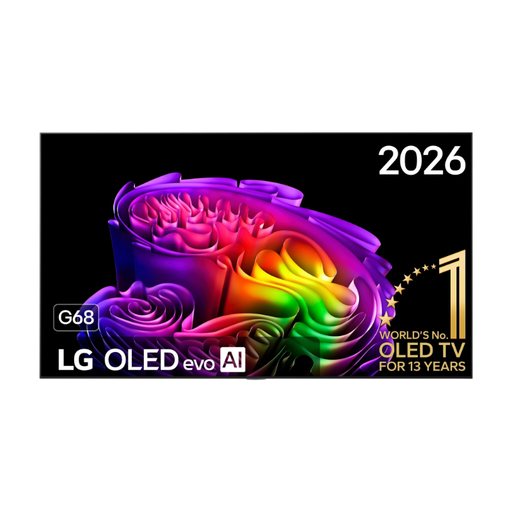 No image available
An OLED option to compare if you can control the light and film contrast matters to you.
4K OLED, Dolby Vision and a 4.2-channel system with Dolby Atmos.
Prolonged display of static images carries a risk of burn-in with OLED; that doesn’t mean it is inevitable with normal film viewing.
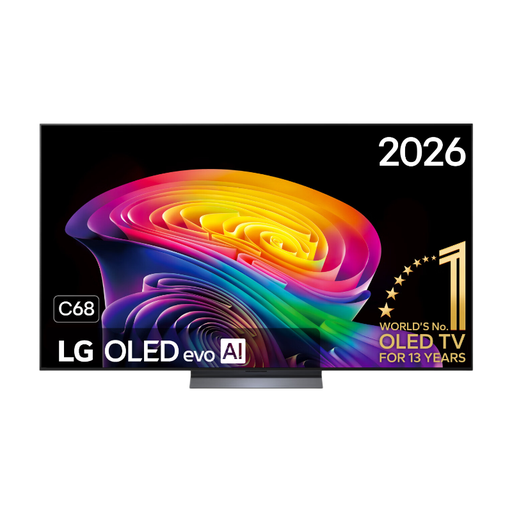 No image available
A 65-inch OLED option to compare if evening contrast matters to you and you can control the light.
120 Hz native refresh rate, VRR up to 165 Hz, Dolby Vision and Dolby Atmos.
Prolonged display of static images carries a risk of burn-in with OLED; that doesn’t mean it is inevitable with normal film viewing.
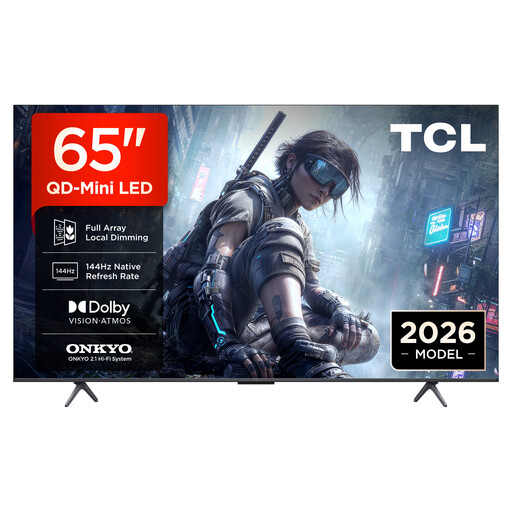 No image available
A mini-LED option to compare if you also want to consider the built-in audio when watching films.
4K HDR, 144 Hz VRR, Dolby Vision, HDR10+ and an Onkyo 2.1 audio system.
Dolby Atmos support doesn’t, by itself, prove how the TV sounds; listen to vocals and music before deciding whether you need external audio.
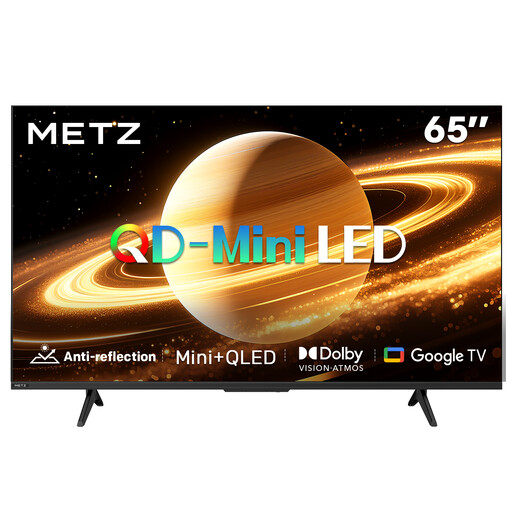 No image available
A model with a matte screen finish to compare if you watch during the day; the finish doesn’t guarantee that reflections from windows will disappear.
60 Hz, Dolby Vision, Dolby Atmos and Google TV.
 No image available
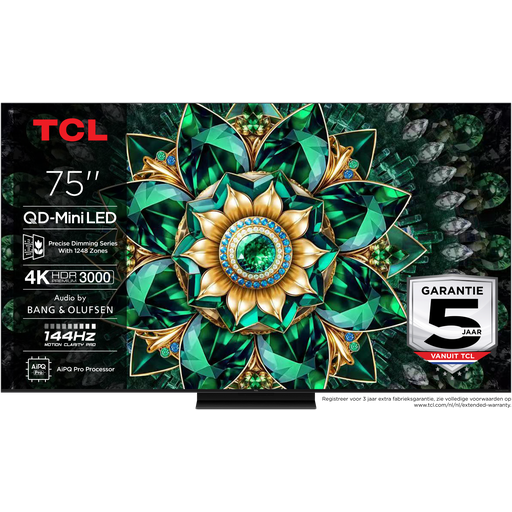
A 75-inch mini-LED option to compare if your viewing distance and available space suit this size.
144 Hz, QD mini-LED, Full Array Local Dimming, Dolby Vision, Dolby Atmos and a Bang & Olufsen audio system.
No. RTINGS.com outlines various trade-offs between matte and glossy screens, including the balance between direct reflections and maintaining black levels. Check tests of the specific model and consider the position of your windows at home.
Measure the distance from your sofa to where the screen is going. Based on its own research, the Consumentenbond suggests a viewing distance of around 2.4 times the screen diagonal as comfortable; use this as a starting point, not a hard-and-fast rule.
Check the connections on the exact TV and audio equipment. Sony, for example, lists eARC/ARC for the K-65XR70; this specification does not automatically apply to other models.
Compare the EU energy label for the exact TV variant. The European Commission lists a scale from A to G for televisions, with separate information for viewing in HDR.
No. In the Netherlands, your statutory guarantee on a consumer purchase is separate from any manufacturer’s or retailer’s guarantee. If a fault arises under the applicable conditions, the seller is responsible; there is no fixed statutory guarantee period that applies to every TV in the Netherlands.