
Music film fan who cares about sound
You want to hear the singing and dialogue clearly. So listen to the exact TV model before deciding whether to use a soundbar or headphones. The Consumentenbond also assesses the sound quality of televisions.


Start by measuring your viewing distance and the space on your TV unit: a bigger screen won’t automatically be more comfortable in a small room. Then compare the sound of the exact TV model and choose a screen to suit the light in your room. OLED can work well for films with dark scenes, while a bright LCD or mini-LED TV may be a better option in a well-lit room. Also consider where you’ll put the TV and whether you might need extra audio equipment.
You want to hear the singing and dialogue clearly. So listen to the exact TV model before deciding whether to use a soundbar or headphones. The Consumentenbond also assesses the sound quality of televisions.
You have a short viewing distance or a narrow TV unit, and want to set up your TV without making unnecessary changes to your home. Measure both the viewing distance and the external dimensions of the TV and its stand.
Your choice depends on dark scenes, reflections and the amount of daylight where the TV will go. The Consumentenbond outlines the general differences between OLED and QLED, while Tweakers discusses mini-LED TVs for bright rooms. Compare the exact model in the place where you’ll watch it, too.
First measure your viewing area and the space available. Then assess the sound, and finally compare the screen type with the light in your room and the running costs.
| What to consider | What to look for when buying | Who is this important for? |
|---|---|---|
| Singing and dialogue | Listen to the exact model and check the audio outputs if you might connect a soundbar later. An audio format listed on the product page doesn’t, by itself, tell you how good it will sound. | If I want to hear singing and dialogue clearly, I’ll assess the TV’s sound first. Around 29% of consumers put sound first. |
| Size and placement | Measure the viewing distance, the width of your TV unit and the depth available. The Consumentenbond suggests around 2.4 times the screen diagonal as a comfortable starting point, not a fixed rule. | With limited space, I want to know whether the TV will fit on its stand and whether the viewing distance will be comfortable. Around 29% of consumers prioritise placement and space. |
| Picture and lighting | Consider when you watch, where windows might cause reflections and whether you often sit at an angle to the screen. According to the Consumentenbond, OLED TVs can generally offer deeper blacks and a wider viewing angle; Tweakers describes mini-LED TVs as suitable for bright rooms. | If dark scenes and reflections affect my viewing experience, I’ll compare screen types in my own viewing area. Around 24% of consumers prioritise film picture quality and lighting. |
| Overall running costs | Compare the energy label in kWh per 1,000 hours for models that fit your space. Only include audio or placement options that you actually need. | I want to weigh up the purchase price against any extra audio equipment, installation and electricity use. Around 18% of consumers focus mainly on the overall cost. |
The screen size won’t tell you whether the TV and stand will fit on your unit, or whether it will be comfortable to watch from your seat.
Measure the distance from your eyes to the screen, as well as the available width and depth. Use the viewing distance as a starting point, and check the TV’s external dimensions too.
Support for an audio format isn’t the same as a listening assessment of singing or dialogue through the built-in speakers.
Listen to the exact TV model. If you want to connect external audio, check beforehand that the TV and audio system have compatible connections.
In the Netherlands, statutory consumer rights apply alongside any manufacturer’s warranty. There isn’t one fixed period that applies to every TV; what you could reasonably expect from the product also matters.
If there’s a fault, contact the retailer and assess the situation based on normal use and what you could reasonably expect from the TV.
What you can change in a rented home without permission depends, among other things, on whether the changes can be reversed without significant expense.
First decide where the TV can be safely placed or mounted, then check the specific mounting method and any changes needed to the property. The Dutch Government gives small, easily reversible changes as an example of work that doesn’t require permission.
These models are examples of different compact-screen options. The features listed apply to the models named and aren’t a judgement on every product from each brand.
The LG OLED42C68LA is a 42-inch OLED model worth comparing if compact placement and films with dark scenes matter to you.
The Samsung QE43QN90FATXXN is a 43-inch Neo QLED/mini-LED model worth comparing if you need a compact size that also works well in daylight.
The 42OLED810/12 and 43PUS8000/12 offer two compact options: OLED and LED, both with Ambilight according to Philips.
This selection focuses on compact 42- or 43-inch TVs, with OLED and LCD options to compare for music films and smaller spaces.
 No image available
A compact OLED option to compare if dark scenes matter to you. Check the sound of the exact TV before relying on its built-in speakers.
42 inch; 4K; OLED; Dolby Vision; HDR10; Dolby Atmos; HDMI 2.1; eARC; optical audio output; 20 W 2.0-channel audio system.
 No image available
A compact LCD option to compare with other screen types. Listen to singing and dialogue, and check that it has the connections your setup requires.
43 inch; 4K LED; Ambilight; HDR10+; eARC; 20 W audio.
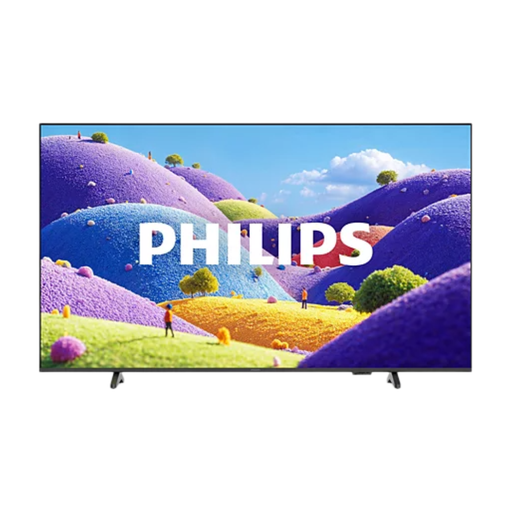 No image available
A compact LED TV to compare if you’d also like to connect external audio. Audio formats aren’t a substitute for listening to the TV yourself.
43 inch; 4K; HDR10+; Dolby Atmos; DTS:X; eARC; optical audio output; 20 W audio system.
 No image available
A 43-inch QLED option to compare with OLED and other LCD models. Assess the picture and sound where you’ll be watching.
4K; QLED; HDR10+; Dolby Vision; Dolby Atmos; DTS:X.
 No image available
A 43-inch option to compare with your available space and viewing distance. Also check that the connections are suitable for any external audio equipment.
60 Hz; Dolby Vision; HDR10+; VIDAA; eARC; optical audio output; Bluetooth; 20 W audio with DTS Virtual:X.
Measure from your eyes in your usual seat to where the screen will go, then compare several sizes. The Consumentenbond suggests around 2.4 times the screen diagonal as a comfortable starting point. Also measure the TV’s external width and stand to check they’ll fit on your unit.
No. First check whether you’re happy with how singing and dialogue sound through the TV. Before connecting external audio, check that the TV and audio system have a compatible HDMI-ARC/eARC or optical connection. An audio format listed in the specifications doesn’t tell you how it will sound.
According to the Dutch Government, you don’t need permission for small changes that can be reversed without too much expense, such as drill holes you can fill in. More substantial changes may require permission, so check the specific fixing method and the property.
Compare the energy label’s consumption in kWh per 1,000 hours for models that fit your space. Your actual electricity costs will also depend on how long you watch TV and your electricity tariff.
No. In the Netherlands, statutory consumer rights apply alongside any manufacturer’s warranty. With normal use, a TV must meet what you could reasonably expect from it. If there’s a fault, contact the retailer. There isn’t one fixed statutory warranty period that applies to every TV.