Who should consider this?

Watching from different parts of the room

You watch with others from a wide sofa or separate chairs, and want the picture and screen size to work for those sitting furthest to the side too. The Consumentenbond recommends viewing the picture from different angles.

Fans of vocals and film music

You want to follow vocals and dialogue clearly and enjoy the music. If you’re considering external audio, check which connections the TV and sound system have.

Watching in changing light

You use the room during the day as well as for film nights, and want to compare brightness, reflections and dark scenes in those conditions.

What should you look for when choosing?

What to consider What to look for when buying Who should pay particular attention?
Picture from different seats View the TV straight on and from the seats furthest to the side; measure the viewing distance from those seats. If I watch with others spread around the room, I want a usable picture from the side too. Around 33% of consumers prioritise a clear view from every seat.
Vocals, dialogue and film music Listen to music and spoken dialogue on the specific TV. If you’re using a soundbar, check that both devices have the HDMI-(e)ARC connection you need. If vocals and dialogue matter during a music film, I want to judge the sound for myself and connect external audio if needed. Around 25% of consumers give music and speech top priority.
Film picture in changing light Compare bright and dark scenes in the lighting you’ll watch in; also check for reflections and view the picture from an angled seat. If I watch during the day as well as in the evening, I want to know how the specific screen looks in both conditions. Around 25% of consumers prioritise film picture quality in changing light.
Screen size and energy consumption Measure the viewing distance and available space. The Consumentenbond gives around 2.4 times the screen diagonal as a starting point for viewing distance; compare the EU energy label for SDR and HDR. If the TV needs to fit the room and I’m also thinking about energy consumption, I want to compare screen size and energy label side by side. Around 17% of consumers start with screen size and running costs.

OLED TV

Compare if: dark film scenes and viewing from different seats are important. The Consumentenbond recommends assessing the viewing angle of the specific screen.

Bear in mind: reflections and sound vary by model; prolonged static images are a separate consideration with OLED.

Mini-LED LCD TV

Compare if: the shared space is often bright and you also want to assess dark scenes.

Bear in mind: mini-LED is LCD with backlighting; the technology alone doesn’t tell you how the picture will look from your seats.

Other LED LCD TVs

Compare if: screen size and connections are important, and you want to consider other LCD models too.

Bear in mind: the term ‘LED’ alone tells you little about viewing angle, reflections or sound quality.

Common buying mistakes

  • Assessing a TV only from directly in front

    Brightness, colour and reflections can look different from a seat at the side.

    View the model you’re considering from the angles of your actual seating positions too.

  • Taking an audio label as a listening test

    Features on paper don’t tell you how clear voices are or how music sounds on the specific TV.

    Listen to familiar film content and check the connections before factoring in external audio.

    A soundbar may need extra space and must be compatible with the TV’s connections.

  • Assuming one screen technology is always the right choice

    Screen technology alone doesn’t determine energy consumption or how the picture looks from every seat.

    Compare the energy label and assess lighting, reflections and viewing angle for each exact model.

Brands to compare

LG

The LG OLED55C55LA is an OLED model to consider when comparing screen contrast and shared viewing.

  • LG lists self-lit pixels and a 55-inch screen diagonal for this model.
  • These specifications don’t confirm how the screen performs in your room’s lighting or how the sound comes across.

Philips

According to the product information, the Philips 55OLED810/12 combines OLED with Ambilight.

  • OLED and Ambilight are features to consider separately when making your comparison.
  • The description of cinema-like sound is a claim by Philips; assess the sound of the specific TV yourself or compare it with external audio.

TCL

The TCL 55C6K is a mini-LED LCD model with audio features specified by TCL.

  • TCL lists QD-MiniLED and an ONKYO 2.1 system for this model.
  • The stated number of dimming zones isn’t an independent measurement of contrast or sound quality.

Sony

The Sony BRAVIA 5 offers a mini-LED option for comparing screen size and film features.

  • Sony lists mini-LED and a 55-inch version.
  • A claim about a cinema-like experience doesn’t prove how the TV will look from every seat.

Samsung

The Samsung QE55QN90FATXXN is a 55-inch Neo QLED mini-LED model to compare with other options for a bright room.

  • The model information lists Neo QLED and mini-LED.
  • The model name or an HDR claim alone doesn’t determine how the screen will suit the lighting and seating at home.

Joybuy TVs for shared viewing

These LCD LED TVs are worth comparing for watching music films together. Match the screen size and stated features to your viewing distance, lighting and audio preferences.
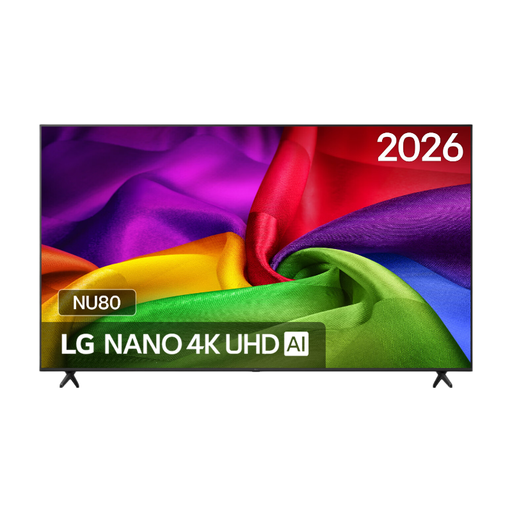
LG 65NU800B6LA 65-inch 4K UHD TV

LG 65NU800B6LA 65-inch 4K UHD TV

A 65-inch option to compare with your viewing distance and the space available for shared viewing.

65 inch; 4K UHD; AI Sound Pro; Clear Voice Pro; HDMI eARC; HDR10; HLG.

View at Joybuy
LG 85NU800B6LA 85-inch 4K UHD TV

LG 85NU800B6LA 85-inch 4K UHD TV

Compare the 85-inch screen size with your viewing distance and available space before choosing.

85 inch; 4K UHD; 20 W 2.0-channel audio; Clear Voice Pro; HDMI eARC.

View at Joybuy
LG 55NU800B6LA 55-inch 4K UHD TV

LG 55NU800B6LA 55-inch 4K UHD TV

A 55-inch option to compare with your viewing distance and the layout of your shared space.

55 inch; 4K UHD; AI Sound Pro; Clear Voice Pro; HDMI eARC; HDR10; HLG.

View at Joybuy
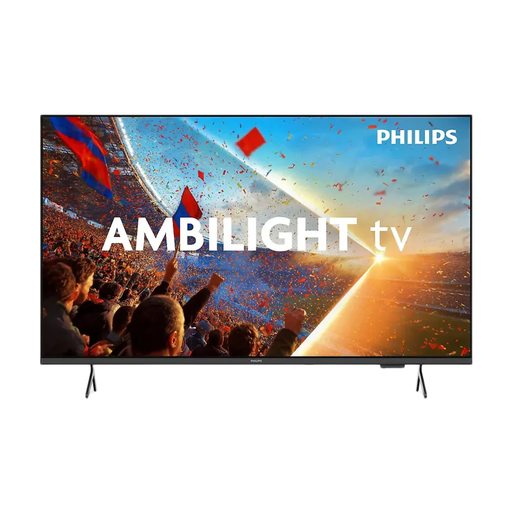
Philips 55PUS8001 55-inch 4K TV

Philips 55PUS8001 55-inch 4K TV

A 55-inch model to compare if you’re weighing up screen size, Ambilight and stated audio features.

55 inch; 4K; three-sided Ambilight; Vocal Boost; 2 × 10 W RMS speakers; HDMI eARC.

View at Joybuy
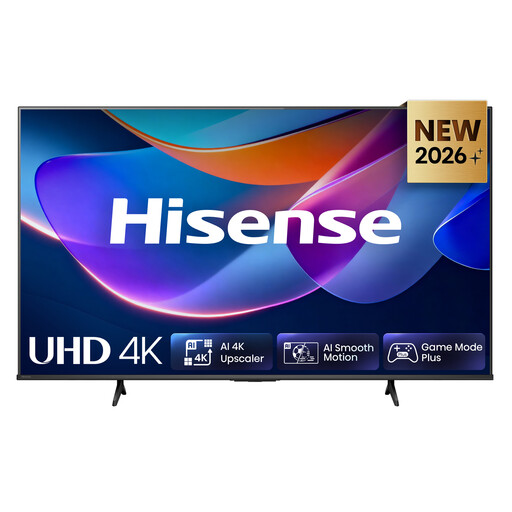
Hisense 65A6S 65-inch 4K UHD TV

Hisense 65A6S 65-inch 4K UHD TV

Compare the 65-inch screen size and stated viewing angle with the places where people sit in the room.

65 inch; 4K UHD; stated 178° viewing angle; 2 × 10 W audio; HDMI eARC; Energy Class D.

View at Joybuy

Frequently asked questions

How do you choose a screen size when not everyone sits the same distance from the TV?

Measure from the eyes at each seat to the planned position of the screen. The Consumentenbond gives around 2.4 times the screen diagonal as a starting point for viewing distance; then compare nearby screen sizes and check the space available too.

How do you connect a soundbar for music films?

Check that both the TV and soundbar have HDMI-(e)ARC. According to the Consumentenbond, eARC can transmit larger audio files without compression. An optical connection may be an alternative if the soundbar doesn’t have HDMI; bear in mind that you may need a separate remote control.

How do you compare the energy consumption of TVs for HDR films?

Compare the EU energy labels for the exact models: they show consumption for SDR and HDR in kWh per 1,000 hours. Your actual costs will also depend on viewing time, usage and your electricity tariff.

In the Netherlands, are you still entitled to a remedy after two years if your TV breaks down too soon during normal use?

You may be. According to ACM ConsuWijzer, statutory guarantees in the Netherlands don’t have a fixed duration; what matters is what you could reasonably expect from the product. Contact the retailer if the TV breaks down too soon during normal use.

Can you unpack and assess a TV bought online before deciding whether to keep it?

According to ACM ConsuWijzer, online purchases generally come with a statutory cooling-off period that ends 14 days after delivery. Before ordering, check the applicable terms for unpacking, trying out and returning the TV.
