What to consider when choosing
Start with reflections from the windows and visitors’ viewing positions. Then consider how long images remain on screen, how you’ll play your archive files and how much energy the TV uses.
| What to consider |
What to look for when buying |
Who is this important for? |
| Visibility beside tall windows |
View your own light and dark photos in the intended position during the day. Compare the reflection handling of specific models; RTINGS.com and the Consumers’ Association of the Netherlands highlight reflections as something to consider. |
With tall windows, I want to be able to see dark photos and captions clearly. Around 36% of consumers say reducing window reflections is their main priority when buying. |
| Readability for a group |
Test text and colour from the furthest and most angled visitor positions. RTINGS.com and the Consumers’ Association of the Netherlands discuss viewing angles as a point of comparison; choose the screen size based on actual viewing distances. |
From the side, I want to be able to read names and details without making the image harder for other visitors to see. Around 29% of consumers prioritise good visibility from several positions. |
| Extended periods of static images |
Work out how long photos, titles or menus will remain on screen. RTINGS.com discusses permanent image retention under extreme static use in accelerated OLED tests; these tests do not predict the lifespan of a specific TV under normal use. |
If photos or titles remain on screen for a long time, I want to know which screen technology suits this use. Around 21% of consumers put extended or repeated photo display at the top of their list. |
| Archive source and running costs |
Test your own files and playback method before buying. Compare energy labels showing kWh per 1,000 hours; Milieu Centraal recommends this as a way to compare screen energy consumption. |
I want to be able to play my files and weigh up energy consumption for regular use. Around 14% of consumers say source playback and running costs are their main considerations. |
TVs to compare
These Joybuy picks are Mini LED TVs for anyone looking to compare LCD options for daylight and regularly displayed archive images. Assess reflections, readability and screen size in your own room; a stated screen finish alone won’t predict how it will perform by the windows.
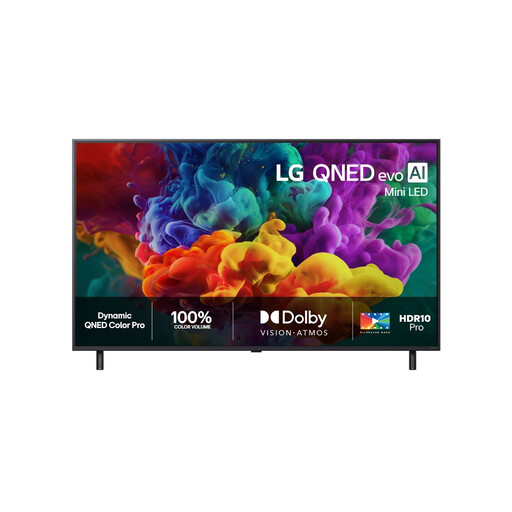 Image unavailable
LG QNED85B6B QNED Evo Mini LED 4K Smart TV
This Mini LED model is an LCD option worth comparing for daylight and repeated photo displays; check reflections and readability in your own room.
The product name lists QNED Evo, Mini LED, 4K and Smart TV.
View at Joybuy
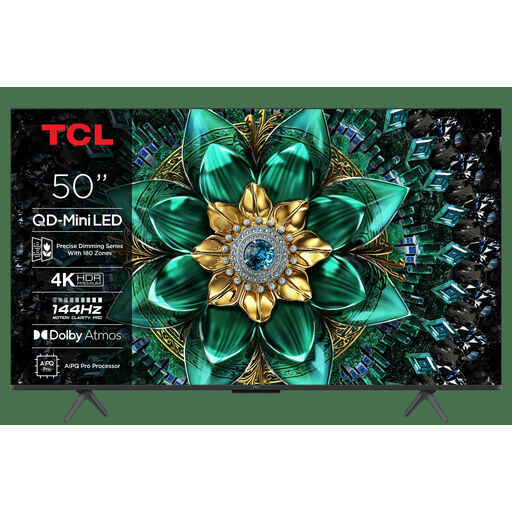 Image unavailable
TCL 50Q6C QD Mini LED 4K TV
This QD Mini LED model is worth comparing with other LCD options; check visibility using your own archive images and from visitors’ viewing positions.
The product name lists 4K and QD Mini LED.
View at Joybuy
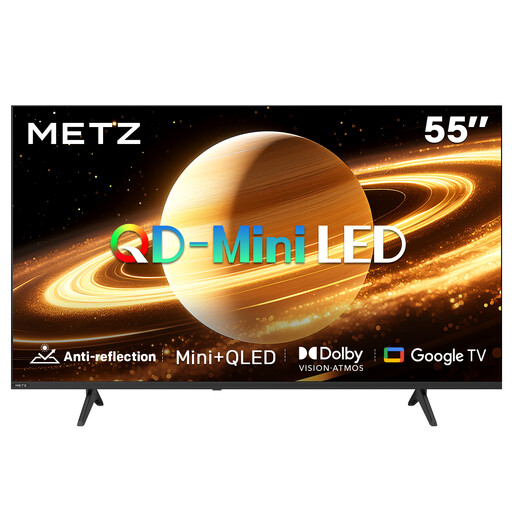 Image unavailable
METZ 55MNH7000Z QD Mini LED TV
The stated screen finish is worth considering when comparing TVs for a bright room; check the picture by the windows and in your own setup.
The product name lists 55 inches (140 cm), QD Mini LED, Matte Screen Ultra and 60 Hz.
View at Joybuy
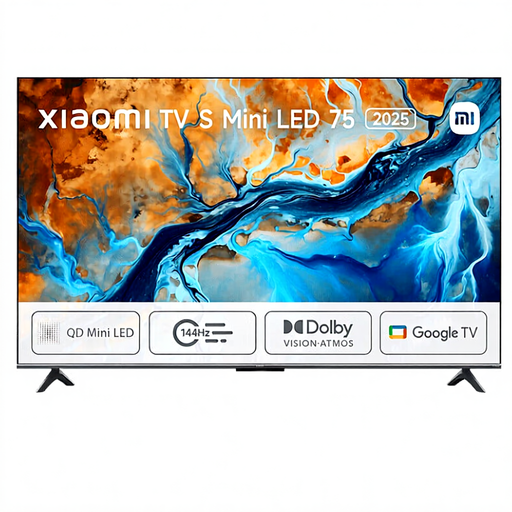 Image unavailable
Xiaomi TV S 2025 75-inch 4K Mini LED TV
With this screen size, it’s important to test readability from the furthest visitor position before deciding on the setup.
The product name lists 75 inches, 4K, Mini LED, HDR, 144 Hz and Dolby Atmos.
View at Joybuy
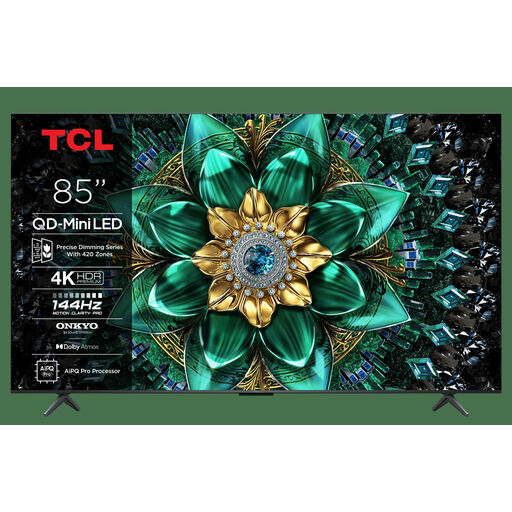 Image unavailable
TCL 85Q6C QD Mini LED 4K TV
The stated panel type is worth considering for group viewing; assess readability from visitors’ actual viewing positions.
The product name lists 4K, QD Mini LED and a matte HVA panel.
View at Joybuy
Frequently asked questions
How can you check whether old photos will remain readable on the TV?
Test a familiar archive photo with light and dark areas using the playback source you intend to use. Check small captions from the furthest and most angled visitor positions; a 4K label won’t restore details missing from the source file.
Can you place the TV opposite the tall windows?
Only decide after testing it during the day, as both reflection handling and brightness matter. Move the TV or reduce the incoming light if you can still see the window reflected in the screen.
What should you consider if a presentation will often be left on for long periods?
Check the guidance for extended periods of static images and, where possible, rotate fixed images or on-screen elements. RTINGS.com describes image retention under extreme static use in accelerated tests; this doesn’t predict the lifespan of a specific TV under normal use. Also compare the energy label’s consumption per 1,000 hours.
Can you show every photo from a local history archive on a public TV?
Not automatically. The Dutch Government says you may only use other people’s copyright-protected photos with the creator’s permission. If people are recognisable in the images, also consider the applicable privacy requirements. Without information about the photos and how they’ll be displayed, it’s not possible to give a general answer on whether permission is needed or use is prohibited.
What do the energy label and rules say about handing in an old TV?
The European Commission describes energy label classes from A to G for electronic displays. According to the Dutch Government, you can hand in an old similar appliance at, among other places, the shop or online service where you buy a new one.


