
Side-seat viewer
Follows lectures from a seat away from the central viewing position and wants to make out maps, faces and slides from there.


If you follow a history lecture from a side seat, focus on how the picture and text look on the exact TV model from where you sit. The Dutch Consumers’ Association generally considers OLED a good starting point for a wider viewing angle than standard LCD TVs. RTINGS.com describes IPS as an LCD alternative that usually offers a wider viewing angle than VA, but with lower contrast. Choose a screen size to suit your viewing distance and the slides, check for reflections in daylight and bear in mind that OLED requires care when displaying static images for long periods.
Follows lectures from a seat away from the central viewing position and wants to make out maps, faces and slides from there.
Wants to read dates, captions and small text; viewing distance, screen size and the quality of the source image all play a part.
Watches lessons during the day and wants to assess reflections and picture quality from their usual seat.
Good for: a wide seating arrangement where maintaining picture quality at a horizontal viewing angle matters.
Bear in mind: static slide elements displayed for long periods need care; also check reflections and brightness on each model.
Good for: anyone considering an LCD TV who has confirmed it remains easy to read from the side seat.
Bear in mind: RTINGS.com says IPS generally offers a wider viewing angle than VA, but lower contrast; check the panel type of the exact model.
Good for: mainly watching from directly in front, or if the exact TV proves easy to read from your side seat.
Bear in mind: a standard VA panel usually has a narrower viewing angle than IPS; terms such as mini-LED or QLED don’t identify the panel type.
| Factor to consider | What should you check? | Who is this relevant to? |
|---|---|---|
| Picture from the side | View a slide on the exact model from your own seat; for LCD, check the panel type or a viewing-angle test. | If I sit away from the central viewing position, I want to follow maps and faces without having to keep changing seats. Around 36% of consumers prioritise viewing angle. |
| Text and maps | Consider your viewing distance, the smallest font size and the resolution of the lesson video you actually watch. | If I need to read dates and small map labels, I want to see how large they appear from my seat. Around 29% of consumers prioritise legible lecture slides. |
| Daylight and reflections | Assess the screen during the day from your side seat, with the lighting you’ll have during the lecture. | When watching lessons during the day, I want to see whether windows or lamps affect the picture. Around 21% of consumers prioritise visibility in daylight. |
| Long viewing sessions | Compare the energy information for the exact TV and, for OLED, read the guidance on displaying static images for long periods. | If I watch long lectures, I want to know what precautions apply to static slides and what energy information is provided for the TV. Around 14% of consumers prioritise long-term use. |
These terms don’t identify the LCD panel type or tell you how the TV performs from a side seat.
Look up the panel type and a viewing-angle test for the exact model, then view the TV from your own seat.
A bigger screen or higher resolution won’t automatically make a low-detail source video clearer.
Watch a representative lesson video from your intended viewing distance before choosing a screen size.
A larger or higher-spec screen may cost more without making a low-detail video any easier to read.
Sony advises avoiding static elements on OLED for long periods, so viewing angle isn’t the only thing to consider.
Read the guidance for your chosen model and don’t leave a static presentation on screen unnecessarily.
The OLED55C68LA is a specific OLED option to consider if you’re looking at a wide seating arrangement; LG also makes QNED mini-LED LCD TVs.
According to Philips Netherlands, the 55OLED810/12 combines OLED with Ambilight, for anyone who also values lighting behind the TV.
The QE55S90HAEXXN is a documented OLED option to compare with others.
The K-55XR80 BRAVIA 8 is a documented OLED option for comparing picture processing and controls.
The Dutch 55C7K is a QD mini-LED LCD option to compare in a bright room.
These Joybuy products include OLED TVs and other TVs in a range of screen sizes; check that the viewing angle and text readability of each model work for you from your seat.
 No image available
The Dutch Consumers’ Association generally considers OLED a good starting point for a wider viewing angle; check this exact model from your side seat.
83 inches, OLED and 4K.
Image retention is worth bearing in mind if static slide elements stay on screen for long periods; follow the guidance for this model.
 No image available
The Dutch Consumers’ Association generally considers OLED a good starting point for a wider viewing angle; check how easy slides are to read from your own seat.
65 inches, OLED and 4K.
Image retention is worth bearing in mind if static slide elements stay on screen for long periods; follow the guidance for this model.
No image available
OLED can be a good starting point for viewing from the side, but how easy your lecture slides are to read still depends on your seat, viewing distance and source image.
55 inches, OLED and 4K.
Image retention is worth bearing in mind if static slide elements stay on screen for long periods; follow the guidance for this model.
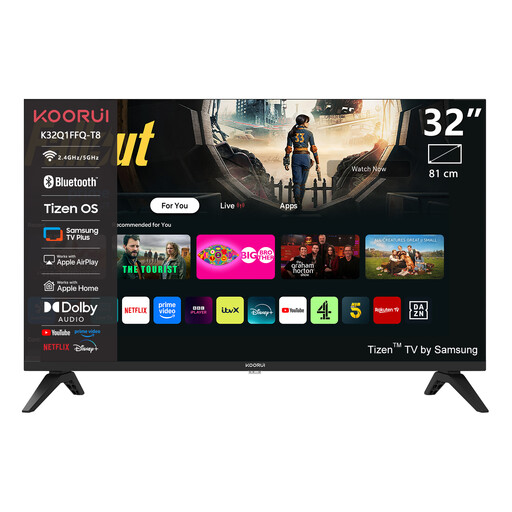 No image available
The compact size may be useful if space for a screen is limited; check for yourself whether text is easy to read from your viewing distance.
32 inches, Full HD and QLED.
 No image available
Compare the picture from your side seat and check whether text in your study materials is easy to read from your preferred viewing distance.
55 inches and 4K.
No. 4K alone won’t automatically make text readable. According to the Dutch Consumers’ Association, a 4K screen only adds source detail if the material you’re watching is also available in 4K; font size and viewing distance matter too.
View a map and a slide with small text from your usual seat. Independent viewing-angle tests assess factors including changes in colour, loss of brightness and changes in black levels at horizontal angles; viewing the screen straight on won’t show you this.
Sony advises avoiding static elements that remain visible on OLED for long periods and describes features designed to protect the screen. Follow the guidance for your chosen model; this advice doesn’t mean that a particular lesson will cause damage.
Compare the energy label and European product information for the exact model. These include separate information on energy consumption in SDR and HDR.
According to ACM ConsuWijzer, when you buy a TV online in the usual way, you generally have a statutory 14-day cooling-off period after delivery. The seller must also resolve issues if a product, under normal use, doesn’t meet what you were entitled to expect under the statutory guarantee; this guarantee isn’t automatically limited to a fixed manufacturer’s warranty period.