
Viewers spread around the room
If people are sitting at an angle to the screen, viewing angle matters. The Dutch Consumers’ Association highlights viewing angle as a factor to consider when choosing a TV.


Start with the seats furthest from the screen and those at the sides: measure the distance to the screen and check that subtitles are easy to read from those spots. The Dutch Consumers’ Association highlights viewing distance, viewing angle and reflections as factors to consider. OLED is worth comparing if lots of people will be watching from an angle and dark scenes matter. In bright rooms, compare specific mini-LED LCD models too, as panel type alone doesn’t tell you how viewing angles or reflections will perform.
If people are sitting at an angle to the screen, viewing angle matters. The Dutch Consumers’ Association highlights viewing angle as a factor to consider when choosing a TV.
People sitting at the back of the room need to be able to follow the details and subtitles. So, measure the distance from the furthest seat before choosing a screen size.
In daylight or under artificial lighting, brightness and reflections may vary depending on where you sit. Assess these features on the specific model in the room where you’ll be watching.
The Dutch Consumers’ Association highlights viewing angle, reflections and viewing distance as factors to consider. Assess them from the seats where people will actually be watching the TV.
| Factor to consider | What should you look for? | Who does this matter to? |
|---|---|---|
| Viewing angle | Check viewing-angle measurements or try the exact model from the seats at the sides. | If I arrange the seats across a wide area, I want people to be able to follow the picture and colours from the sides too. Around 28% of consumers say viewing angle is their top priority. |
| Screen size for the back row | Measure the distance from the furthest seat to where you plan to put the screen. | If I’m sitting at the back, I need to be able to follow the details and subtitles easily. Around 22% of consumers prioritise screen size for seats further away. |
| Light and reflections | Compare reflections and brightness on each model in lighting conditions similar to those in your room. | In daylight, I want to check for distracting reflections from different seats. Around 22% of consumers put light and reflections at the top of their list. |
| Picture and spoken commentary | Compare picture settings and sound ratings for the exact model; check the connections if you use external audio. | When watching art documentaries, I want to follow both the images and the spoken commentary. Around 17% of consumers give this combination their highest priority. |
| Energy use and support | Check the EU energy label and find out which warranty terms apply. | I want to know how to compare energy use and what happens if something goes wrong. Around 11% of consumers prioritise running costs and support. |
A good impression from the middle seat doesn’t show how brightness and colour look from the side.
Assess the exact model from the seats at the sides, and pay attention to reflections too.
These labels don’t, on their own, tell you how a specific model performs when people are sitting at an angle to the screen.
Compare measurements or a review of the specific model, and consider other types of TV too if they suit your setup.
Images and menus left on screen for a long time make image retention something to bear in mind when using an OLED TV.
Check the instructions and screen-protection features for the specific model, and avoid leaving paused images on screen for longer than necessary.
A commercial warranty is different from your statutory rights, and installation is a separate service.
Check what the installation includes and which warranty terms apply. ACM ConsuWijzer explains that statutory rights are not the same as a commercial warranty promise.
LG’s OLED models, including the OLED77G68LW, are worth comparing for a large screen where viewing angle, contrast and reflections all matter.
The 75-inch QE75QN92FATXXN is a Neo QLED mini-LED model to compare if you’re looking for a large screen for a bright room.
The Philips 65OLED810/12 combines OLED with Ambilight. Compare the screen size with your viewing distance and decide whether the extra feature suits your setup.
Sony’s BRAVIA 5 series includes mini-LED models to compare by screen size and lighting conditions.
The TCL 75Q6C is a 75-inch QD mini-LED model to include when comparing large screens.
This selection includes OLED, LCD and mini-LED TVs in a range of screen sizes. Choose a size that works for the furthest seat, and compare the viewing angle and reflections on the specific model.
 No image available
The 77-inch screen may suit a group with seats further away, provided the viewing distance is right. Assess reflections and viewing angle in your own setup.
77 inches; 4K OLED; Dolby Atmos; 4.2-channel speaker system.
LG lists Reflection Free Premium, Perfect Black and Perfect Color for this model.
 No image available
This 75-inch LCD option may work for a group seated at different distances. Check that the picture is comfortable to watch from the seats at the sides.
75 inches; 4K UHD; Direct LED; HDR10 and HLG.
webOS, Google Cast and HDMI connections.
 No image available
An 86-inch screen is a large-format option for seats further away. Measure the viewing distance and check that the screen will fit in your available space.
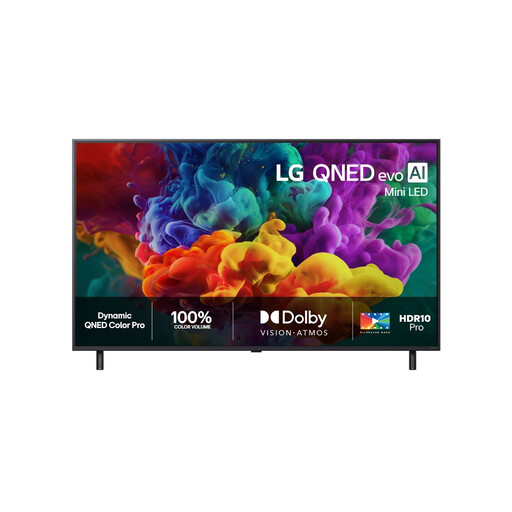
86 inches; 4K; QNED Mini LED; Dolby Vision.
 No image available
The 65-inch screen may suit you if the viewing distance is right. Check the picture from the seats at the sides too.
65 inches; 4K UHD; DLED; Dolby Vision and HDR10+.
The product specifications list a 178° viewing angle; compare the picture from the seats in your setup.
 No image available
This 86-inch model is a large-screen option for a group. Check the distance from the furthest seat and the sightlines around the room.
86 inches; 4K; QLED; 144 Hz; HDR10+ and Dolby Vision.
Dolby Atmos; 2.1.2 sound system with integrated subwoofer; HDMI 2.1.
Measure the distance from the furthest seats too. The Dutch Consumers’ Association suggests around 2.4 times the screen diagonal as a research-based starting point for a comfortable viewing distance. Also look at nearby screen sizes, as this isn’t a fixed rule for every setup.
Avoid leaving static images on screen for longer than necessary, and check the screen-protection features on your chosen model. Sony describes image retention and measures that vary by model; this information isn’t a guarantee for another TV.
Check the EU energy label and the information for the specific model, ideally comparing TVs of similar screen sizes. The European Commission says the label also provides information about use in HDR mode, so look beyond the letter rating alone.
No. ACM ConsuWijzer explains that your statutory guarantee depends on what you can reasonably expect from the product under normal use. It doesn’t automatically end when a two-year commercial warranty expires. If a product is faulty, contact the seller first.
Check that you have permission to show the specific documentary in the way you intend if you’re screening it outside the home or in public. The Dutch Government says copyrighted films cannot be shown publicly without permission; whether a particular gathering counts as public depends on the circumstances.