Who is this guide for?

Groups with seats to the side

If not everyone sits directly in front of the TV, pay attention to the viewing angle and choose a screen size that suits the viewing distance. Consumentenbond and RTINGS both highlight viewing angle as an important factor when several people watch from different positions.

Viewers in a bright room

If you sometimes watch films during the day, it’s worth assessing both brightness and visible reflections. RTINGS treats reflections as a separate consideration in its TV tests.

Viewers with their own video file

If you already have the film on a device or storage medium, check in advance that it will play using your preferred method. Sony publishes information about USB playback support for the K-55XR5, among other details.

What should you look for?

OLED

A good choice if: you mainly watch with manageable ambient light and everyone in the group needs a clear view, including those sitting to the side of the TV. Consumentenbond says OLED generally offers a wider viewing angle and deeper blacks.

Bear in mind: these features alone don’t tell you how distracting reflections will be in your room, so compare the specific model.

LCD, including mini-LED

A good choice if: watching in daylight is a priority and you find a model with brightness and reflection handling suited to your setup.

Bear in mind: Consumentenbond generally describes LCD TVs as having a more limited viewing angle. The terms QLED and mini-LED don’t prove that a model has wide viewing angles or handles reflections well.

What to consider What should you check? Who is it important for?
Viewing angle for the group Check viewing-angle ratings for the exact model and assess the picture from the seats furthest to the side. If I want everyone to be able to follow the film, including people sitting beside the TV, I’ll prioritise a clear view for the whole group. Around 29% of consumers prioritise viewing angle.
Daylight and reflections Compare the model’s reflection handling and brightness, and consider where windows and lamps are in relation to the screen. If I sometimes watch during the day, I want a clear picture without distracting reflections. Daylight visibility is the main concern for around 22% of consumers.
Screen size and viewing distance Measure the viewing distance and available space, including the TV’s external dimensions and any stand. Consumentenbond suggests dividing the viewing distance by 2.4 as a starting point for the screen diagonal in centimetres. I want the film to be easy to see from the seats and the TV to fit in the space. Around 21% of consumers prioritise finding the right size.
Playing your own film Compare the file type and video and audio codecs with the specifications for the exact model, or check that your preferred HDMI or casting connection is supported. If I want to play my own holiday film, I’ll check that my particular file and playback method work. File playback is the main concern for around 21% of consumers.
Purchase price and energy use Compare the energy label and stated energy consumption of models with a similar screen size. I want to take both the purchase price and running costs into account. Around 7% of consumers prioritise total costs.

Which buying mistakes can you avoid?

  • Choosing based only on maximum brightness or the term mini-LED

    A bright screen won’t automatically stop a window or lamp from reflecting on it. The viewing angle can also matter if the group is spread out.

    Compare independent reviews of reflection handling and viewing angle for the exact model, and check the picture from the seats furthest to the side.

  • Assuming USB means every holiday film will play

    Supported file systems and codecs vary by model. You may need another playback device or to convert your file.

    Compare your file’s details with the TV’s published specifications and, if necessary, check in advance that a suitable HDMI connection will work.

  • Choosing a large TV without measuring the distance and external dimensions

    The screen diagonal doesn’t tell you whether the viewing distance will be comfortable or whether the TV, including its stand, will fit on your furniture.

    Measure the viewing distance and check the available width and height before choosing a screen size in inches.

Which brands are worth considering?

LG

The OLED55C68LA is a 55-inch C6 OLED model worth comparing if film contrast and watching together are important to you.

  • LG lists Brightness Booster for this model.
  • This manufacturer specification doesn’t establish how well the TV handles reflections in every bright room, so assess that separately.

Samsung

The QE55S90HAEXXN is a 55-inch S90H OLED model worth comparing with other options if you’re interested in the manufacturer’s Glare Free finish.

  • Samsung calls the finish Glare Free.
  • This is Samsung’s claim; compare independent tests of this exact model for daytime viewing. The energy label on the model page is F.

TCL

The 55C7K is a QD mini-LED model worth comparing if you sometimes watch during the day.

  • On its series page, TCL lists HDR 2600 nits and up to 2048 dimming zones.
  • “Up to 2048 zones” doesn’t confirm how many zones the 55-inch version has. Check this model’s viewing angle too.

Sony

The K-55XR5 is a mini-LED LCD TV worth comparing if you also want to assess its playback options for your own film.

  • Sony lists USB playback codecs, HDMI, Chromecast built-in and AirPlay.
  • This list doesn’t guarantee that every file will play, so check your file’s specifications. Sony doesn’t list X-Anti Reflection here.

Philips

Philips says the 55MLED910/12 combines QD mini-LED with Ambilight. It may be worth including in your comparison if you like ambient lighting.

  • Philips lists QD mini-LED and Ambilight for this model.
  • Philips’ claim about colours in any light isn’t an independent measurement of reflections or viewing angle, so assess those features separately.

Joybuy TVs for your viewing needs

This Joybuy selection includes OLED and QD-Mini LED TVs in a range of screen sizes. Compare the size with your viewing distance and check that each model supports your preferred playback method.
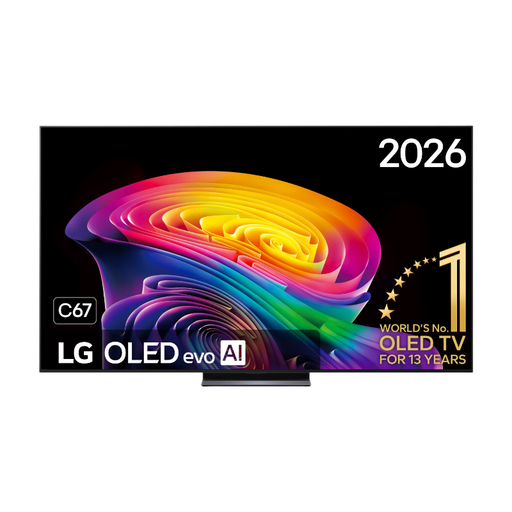
LG OLED83C67LA 83-inch OLED evo AI C6 4K smart TV

LG OLED83C67LA 83-inch OLED evo AI C6 4K smart TV

For anyone who wants to start with OLED and, after measuring up, has enough room for a large screen.

83 inches; OLED evo; 4K; HDMI 2.1.

Joybuy
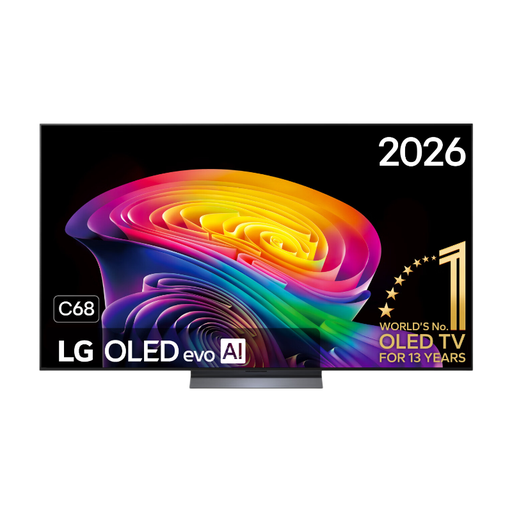
LG OLED65C68LA 65-inch OLED evo AI C6 4K smart TV

LG OLED65C68LA 65-inch OLED evo AI C6 4K smart TV

For anyone comparing OLED TVs for films and who finds a 65-inch screen suits their measured viewing distance.

65 inches; OLED evo; 4K; four HDMI 2.1 ports.

Joybuy
LG OLED55C68LA 55-inch OLED evo AI C6 4K smart TV

LG OLED55C68LA 55-inch OLED evo AI C6 4K smart TV

For anyone comparing OLED models and looking for a 55-inch screen that suits their viewing distance and setup.

55 inches; OLED evo; 4K; four HDMI ports.

Joybuy
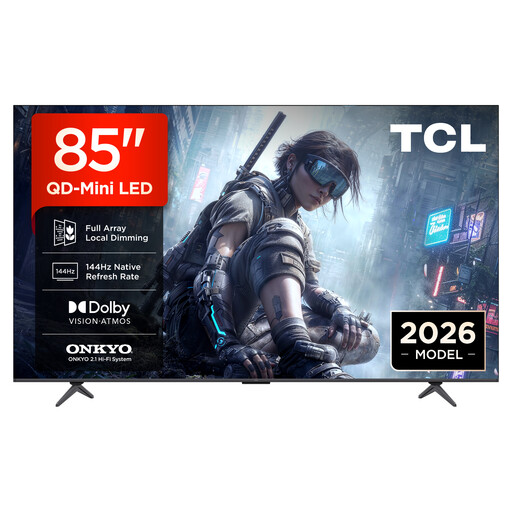
TCL T8D 85-inch 4K QD-Mini LED smart TV

TCL T8D 85-inch 4K QD-Mini LED smart TV

For anyone comparing QD-Mini LED and, after measuring up, with enough room for an 85-inch screen.

85 inches; 4K; QD-Mini LED; HDMI 2.1.

Joybuy
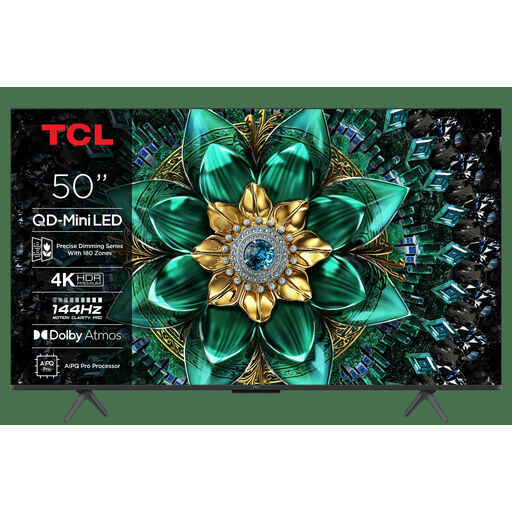
TCL 50Q6C 50-inch QD-Mini LED 4K TV

TCL 50Q6C 50-inch QD-Mini LED 4K TV

For anyone comparing a 50-inch QD-Mini LED model with their viewing distance and available space.

50 inches; QD-Mini LED; 4K; HDMI 2.1.

Joybuy

Frequently asked questions

Can you play your holiday film directly from a USB stick?

It depends on the exact model, the file system and the video and audio codecs. Sony publishes this information for the K-55XR5. Compare the TV’s specifications with your file and, if possible, test your preferred method in advance.

How do you choose a screen size when watching with other people?

Measure the viewing distance from the seats and check the view from the seats furthest to the side too. Consumentenbond suggests dividing the viewing distance by 2.4 as a starting point for the screen diagonal in centimetres. You should also measure the space available for the TV.

What should you look for if you sometimes watch during the day?

Assess both brightness and reflections for the exact model. A window or lamp may still be visible even if you choose a high-brightness TV; RTINGS treats reflection handling as a separate test point.

What should you check when setting up a smart TV?

Review the privacy settings and keep the TV up to date. The Dutch Data Protection Authority warns that a smart TV may collect data about your viewing habits.

What rights do you have when buying a TV online?

According to ACM ConsuWijzer, online purchases in the Netherlands usually come with a statutory cooling-off period of up to 14 days after delivery. You also have a statutory guarantee: if the TV doesn’t perform as you could reasonably expect under normal use, the seller must offer an appropriate solution free of charge.
