What should you look for when buying?
Start by checking reflections and brightness in the intended position. Then compare the viewing angle, access to your TV service, and the size and energy consumption of the models that suit you.
| What to consider |
What should you check? |
Who should prioritise this? |
| Visibility in daylight |
Compare reflection handling and SDR brightness for the specific model in the intended position. |
If I watch during the day with windows or lights that may reflect on the screen, I want to consider both reflections and brightness. Around 40% of consumers prioritise visibility in daylight. |
| Picture and viewing angle |
Compare the picture from your seating positions, including colour and contrast; results vary by TV. |
If we watch with several people, I want the picture to look good from an off-centre seat, too. Around 30% of consumers prioritise picture quality and viewing angle. |
| Access to your TV service |
Check your provider’s requirements and whether the exact TV has the tuner or app you need. |
If I want to use my TV service without an extra box, I check that my subscription and TV are compatible in advance. Around 20% of consumers prioritise direct access to their TV service. |
| Size and power consumption |
Measure the space and viewing distance, then compare the EU energy label and stated consumption in kWh/1000 hours. |
If I’m looking for a TV that suits my viewing distance, I also want to compare its labelled energy consumption. Around 10% of consumers prioritise size and power consumption. |
TVs at Joybuy
These TVs are options to compare for watching gardening programmes in a bright living room. Check how each model’s features suit your viewing position and TV service.
 No image available
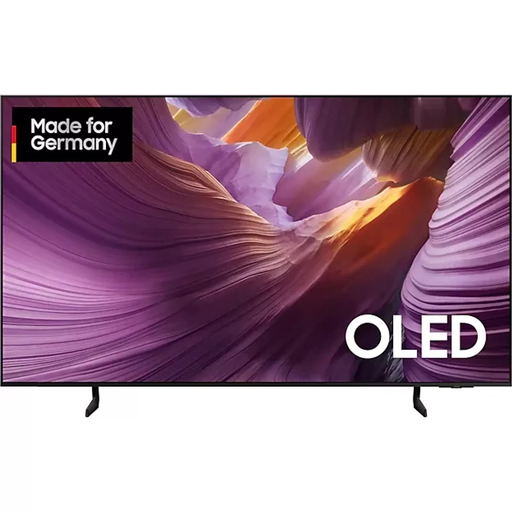
Samsung S85F Series GQ55S85FAU, 55 inch, OLED 4K, Graphite Black
This OLED option is worth considering if viewing angle and dark scenes matter to you; also compare how the specific TV handles reflections in daylight.
Specifications: 55 inch, OLED and 4K.
Check that the tuner or viewing method works with your TV service.
Joybuy
 No image available
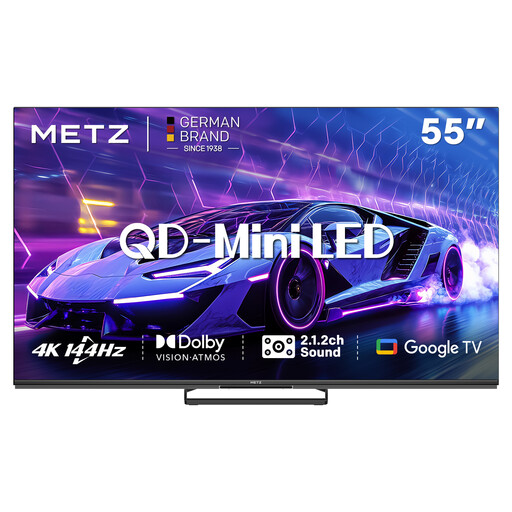
METZ 55MNE8000Z, 55 inch, QD-Mini LED, 4K
This LCD/mini-LED option is worth considering if daylight is an important factor, but the technology name doesn’t tell you how well the model handles reflections.
Specifications in the product title: 55 inch, QD-Mini LED, 4K, 144 Hz and Dolby Vision.
Assess how the exact model handles reflections and brightness in your viewing position.
Joybuy
 No image available
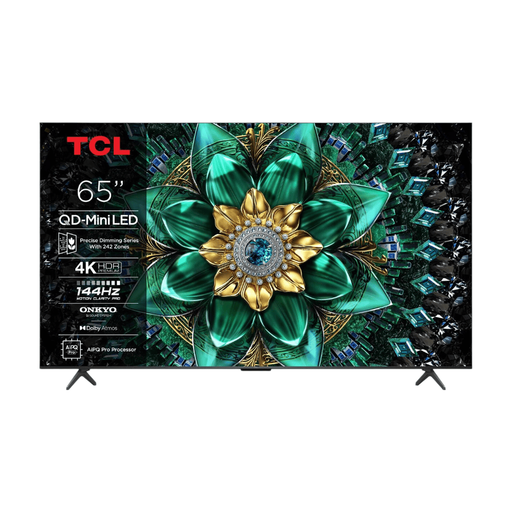
TCL 65Q6C, 65 inch, QD-Mini LED, 4K
This larger LCD/mini-LED option is worth considering if the viewing distance and available space are right for a 65-inch TV.
The product title lists QD-Mini LED, 4K and HDR Premium 1000 Nits. This alone doesn’t tell you how bright standard SDR TV pictures are or how well the screen handles reflections.
Measure your space and compare the specific model’s performance for your viewing position.
Joybuy
 No image available
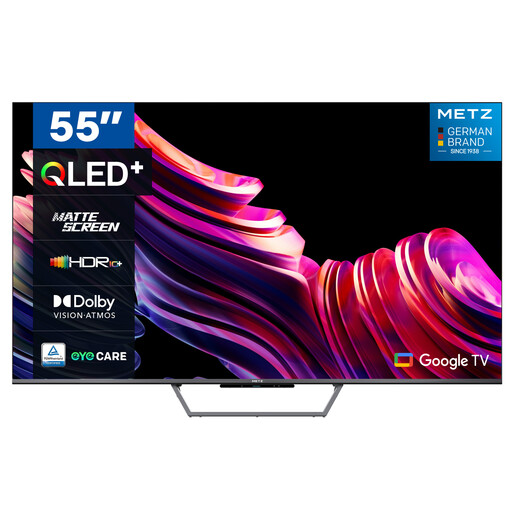
Metz 55MQE7600Y, 55 inch, QLED+, 4K UHD, Google TV
The matt screen may be worth comparing if windows or lights face the TV; check how the TV handles reflections in your viewing position.
Specifications in the product title: 55 inch, QLED+, 4K UHD and Google TV. The product title also mentions a matt screen.
A screen description alone isn’t a measure of how well it handles reflections.
Joybuy
 No image available
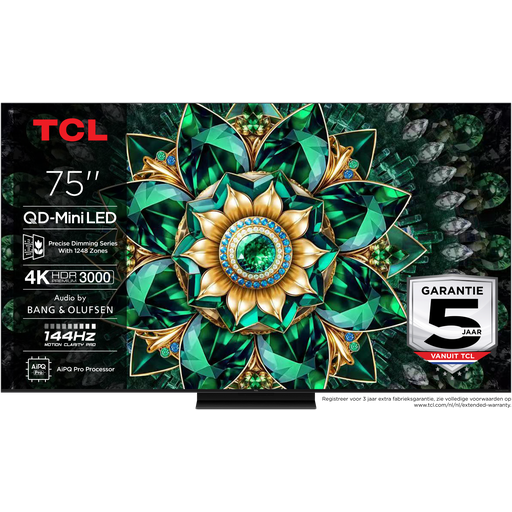
TCL 75Q7C, 75 inch, 4K Mini-LED
This large LCD/mini-LED TV is only suitable if your available space and viewing distance work for a 75-inch screen.
Specifications in the product title: 75 inch, 4K Mini-LED and 144 Hz.
The screen technology and size listed don’t tell you how the TV will handle reflections in your living room; assess each model individually.
Joybuy
Frequently asked questions
Is a QLED TV automatically better than OLED in sunlight?
No, the technology name alone doesn’t determine that. Consumentenbond explains that QLED/LCD can often deliver higher brightness, while OLED generally offers a wider viewing angle. For the specific TV, compare both reflection handling and brightness.
How should I set up my TV for daytime viewing?
Assess a familiar scene with the lighting you normally use while watching. Consumentenbond recommends choosing a picture mode you like and not setting the brightness so high that light areas look too bright.
Can I watch gardening programmes without a separate TV box?
It depends on your TV service and the TV. For Ziggo Digital Cable TV without a box, Ziggo lists requirements including a subscription, a built-in DVB-C tuner and a coaxial cable. KPN TV+ via a smart TV has subscription and compatibility requirements. Check with your provider and confirm the exact model before buying.
What do the energy label and statutory guarantee tell me?
The EU energy label shows consumption in kWh per 1000 hours, so you can compare models on the same basis. In the Netherlands, the retailer is responsible for the statutory guarantee; ACM ConsuWijzer explains that this does not automatically have a fixed term of exactly two years.
What rules apply when buying a TV online in the Netherlands?
According to ACM ConsuWijzer, you generally have 14 days to change your mind after delivery when you buy online. Check the terms that apply to your purchase, and distinguish between the cooling-off period, any voluntary returns policy and the statutory guarantee.


