What should you look for?
With tall windows, both reflections and brightness matter. Also consider whether the TV suits your viewing conditions, setup and energy use.
| What to consider |
What to look for when buying |
Who is this important for? |
| Reflections during the day |
Compare both direct and total reflections, as well as brightness, for the same model. If possible, view a dark scene from a similar viewing position. |
If I watch during the day with a window opposite the screen, I want to know whether reflections will hide details in dark scenes. Around 36% of consumers prioritise reflections and daytime visibility. |
| Dark details |
Compare how dark scenes look in the lighting conditions you actually watch in. Results in dim lighting don’t automatically show how the picture will look opposite a sunny window. |
If I often watch with the lights dimmed, I want to be able to follow subtle details in dark scenes. Around 29% of consumers prioritise those dark details. |
| Placement and viewing position |
Check where the window, screen and seating will be in relation to one another, and whether the chosen size will fit the available space. |
If it’s difficult to move my TV, I want to know in advance how the light from the window will fall on the screen from my seat. Around 21% of consumers prioritise placement and viewing position. |
| Energy use |
Compare the energy label and product information for the exact size and version. Don’t estimate consumption based on screen technology alone. |
When choosing between suitable TVs, I want to compare the energy use of each version. Around 14% of consumers prioritise running costs. |
Joybuy TVs for daytime viewing
This selection features QD mini-LED TVs for anyone looking to compare a mini-LED LCD model for daytime viewing. The product names indicate the versions; check how the exact TV handles reflections and dark scenes separately.
 No image available
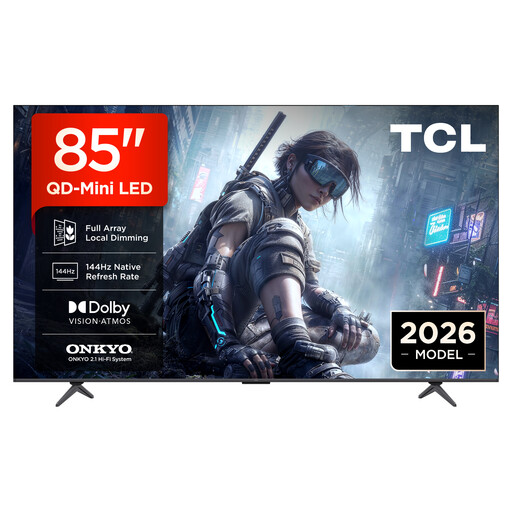
TCL T8D 85-inch 4K QD Mini-LED Smart TV (2026)
This QD mini-LED version is worth comparing if you’re looking for a mini-LED LCD TV for daytime viewing; this isn’t a reflection test of the specific model.
85 inches; 4K; HDR; Google TV; 144 Hz; VRR.
View at Joybuy
 No image available
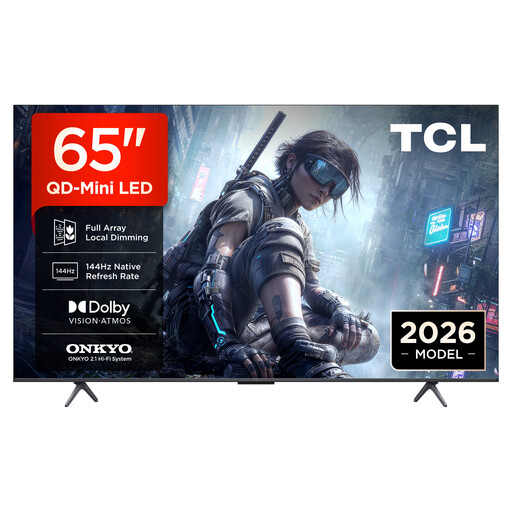
TCL 65T8D 65-inch QLED with QD mini-LED
This QD mini-LED version is an option to compare for daytime viewing; the model name alone won’t tell you how reflections will look in your room.
65 inches; 4K HDR; Google TV; 144 Hz VRR.
View at Joybuy
 No image available
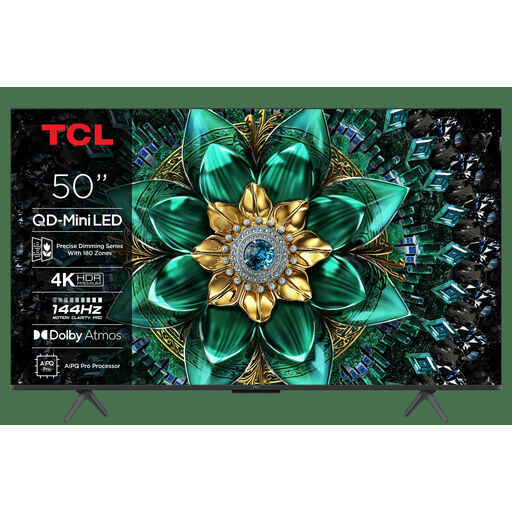
TCL 50Q6C 50-inch QD mini-LED TV
Its QD mini-LED technology makes this a model to include when comparing TVs for daytime viewing; assess reflections for the exact version separately.
50 inches; 4K HDR; energy rating E.
View at Joybuy
 No image available
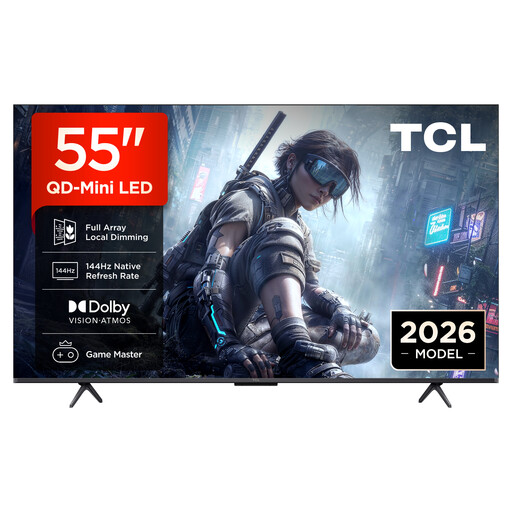
TCL 55T8D 55-inch QLED with QD mini-LED
This QD mini-LED version is worth comparing if you watch during the day; the technology alone doesn’t prove how visible reflections from windows will be.
55 inches; 4K HDR; Google TV; 144 Hz VRR.
View at Joybuy
 No image available
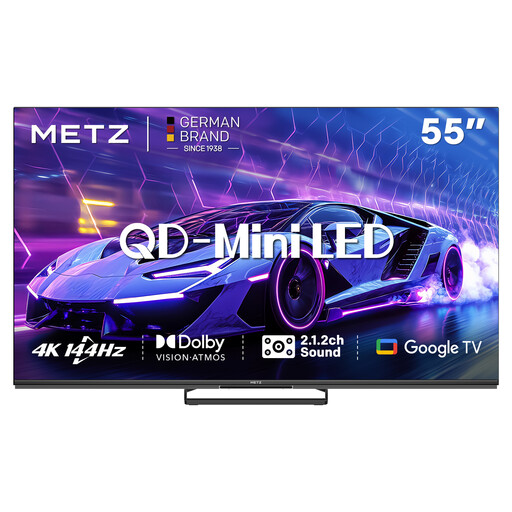
METZ 55MNE8000Z 55-inch QD mini-LED Google TV
This QD mini-LED version is an option to compare for daytime viewing; check reflections and dark scenes for this model separately.
55 inches; 4K; HDR10+; 144 Hz.
View at Joybuy
Frequently asked questions
Is a matte TV automatically the best choice opposite tall windows?
No. Compare both direct and total reflections, as well as the brightness of the exact model; no TV eliminates all reflections. In particular, view a dark scene from your usual seat.
What should you check when positioning your TV?
Check whether the window is reflected directly in the screen from your seat, and whether the TV will fit in the available space. Follow the instructions for the specific model when mounting and cleaning it.
How do you clean a screen with an anti-reflective coating?
Follow the manual for the specific model. For the TVs mentioned, Sony advises switching the set off first, gently using a clean microfibre cloth and not spraying liquid directly onto the screen. For the BRAVIA 9 II, Sony also provides additional instructions for its special coating.
What does the legal guarantee mean when buying a TV in the Netherlands?
When used normally, a purchase must provide what you can reasonably expect from it. If the TV breaks down too soon, the seller is your point of contact for an appropriate free solution, according to ACM ConsuWijzer. The legal guarantee isn’t automatically limited to the length of the manufacturer’s warranty.
Can you return a TV bought online if it causes too many reflections in your room?
According to ACM ConsuWijzer, online purchases usually come with a 14-day cooling-off period. Check the applicable terms and returns process. Buying from a physical shop doesn’t automatically give you the same right to return the TV because you’ve changed your mind.


