
Host with a wide seating arrangement
You want guests on both sides of the room to see colours and details clearly. So compare the viewing angle from their seats, as recommended by Consumentenbond and RTINGS.


Start with your seating arrangement and lighting. If guests are spread around the room and you watch evening scenes, a TV with a wide viewing angle and deep blacks could be a good fit. In a brightly lit room, also compare the brightness and reflections of the specific model. Choose a screen size to suit your viewing distance, and check that the documentary source and any audio connections work with your plans.
You want guests on both sides of the room to see colours and details clearly. So compare the viewing angle from their seats, as recommended by Consumentenbond and RTINGS.
You care most about contrast and detail in dark nature scenes, but also want to see how the screen handles the lighting you usually use. Consumentenbond discusses the differences between LCD and OLED, and the importance of HDR content.
You want to choose a screen size that’s comfortable to watch from the back row, then check that narration and nature sounds are easy for everyone to hear. Consumentenbond offers advice on viewing distance and TV connections.
A good fit when: guests sit in different parts of the room and you often watch with the lights dimmed. Consumentenbond generally highlights OLED for its wide viewing angle and deep blacks; RTINGS covers viewing angles for wide seating arrangements.
Bear in mind: a wide viewing angle tells you nothing about reflections, the right screen size or clear sound. Check these points for the specific model.
A good fit when: the room gets plenty of light during your get-together and brightness is a priority. Some LCD models can be brighter; compare the specific TV in the lighting conditions you use.
Bear in mind: viewing angles and black levels vary by model. The technology name alone won’t tell you how the picture looks from seats to the side.
A good fit when: most seats face the screen directly and your viewing distance or available space calls for a smaller size.
Bear in mind: check the picture from the furthest seats and compare dark-scene performance and energy use for the specific TV.
| What to consider | What should you check? | Which consumers should give this more weight? |
|---|---|---|
| Viewing angle for guests | Compare viewing-angle measurements and look at the TV from the furthest seats. RTINGS discusses viewing angles for wide seating arrangements. | If guests are spread around the room, I want colours and details to remain clear from the side too. Around 28% of consumers put viewing angle first. |
| Contrast and evening light | Assess dark scenes and reflections in your usual lighting. Consumentenbond generally highlights OLED for deep blacks; brightness varies between LCD models. | In dim evening light, I want to follow dark nature scenes and take distracting reflections into account. Around 22% of consumers prioritise evening contrast. |
| Screen size and viewing distance | Measure the viewing distance and check the TV’s external dimensions and stand position. Consumentenbond suggests around 2.4 times the screen’s diagonal as a starting point for a comfortable viewing distance. | From the furthest seat, I want to see details comfortably without choosing a screen that doesn’t fit the room. Around 22% of consumers prioritise screen size in relation to viewing distance. |
| Sound and documentary source | Check the TV’s sound, your preferred app or playback source, and the supported picture formats. For a soundbar, check for HDMI-(e)ARC on both devices; Consumentenbond also covers optical audio connections. | If everyone needs to hear the narration, I want to check in advance that the documentary source and audio connection are suitable. This is the top priority for around 17% of consumers. |
| Running costs | Compare the energy label and energy consumption of the exact model with TVs of a similar screen size. Consumentenbond points out that screen size is linked to energy use. | If I’m also taking electricity use and any extra audio equipment into account, I want to factor in the TV’s running costs. Around 11% of consumers put these costs first. |
With a wide seating arrangement, the picture can look different from the side. A good impression from the middle seat doesn’t necessarily tell you how it will look from the furthest seats.
Compare viewing-angle measurements and check the TV from the seats where your guests will be sitting.
QLED and mini-LED are types of LCD; contrast, brightness and viewing angle vary by model and viewing conditions.
Compare dark-scene performance and reflections in your own lighting, and assess the TV from your seats rather than relying on the technology name alone.
A TV can’t display 4K or HDR information that isn’t part of the documentary or playback source you’re watching.
Check the documentary, service, playback source and supported HDR format. You may need a different playback source or access to suitable content.
A larger screen needs more space and is generally associated with higher energy use.
Measure your available space and compare the energy label for the exact screen size before choosing.
The OLED55C56LB is a specific 55-inch OLED model to consider for nature documentaries during an evening with guests.
The QE55QN90FATXXN is a 55-inch mini-LED LCD model to compare if ambient light and reflections are a factor.
The 55OLED811/12 is an OLED model with Ambilight, which may appeal if you have a particular preference for evening viewing.
The BRAVIA 8 II is a QD-OLED model to compare if Google TV and connecting your own audio system are also important to you.
The models in Kieskeurig.nl’s visitor ranking include a range of screen sizes and technologies, including 43-inch QLED and 65-inch RGB mini-LED.
This selection includes OLED TVs in 48-, 55-, 65- and 77-inch sizes, plus a 65-inch Hisense TV. Compare the screen size with your viewing distance, and check how the picture looks from the side seats and in your usual lighting.
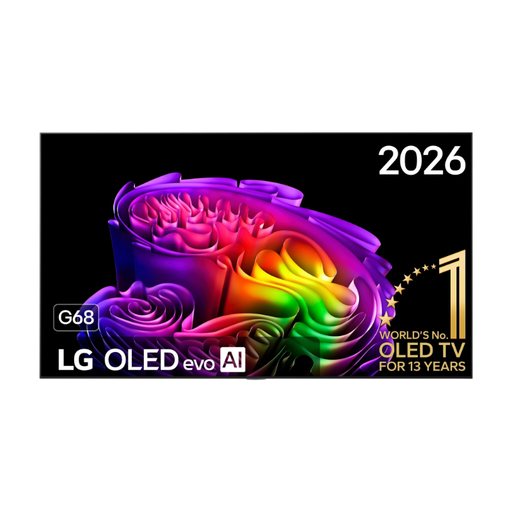 No image available
The 77-inch screen could be worth considering if your guests will be watching from seats further apart; compare the viewing distance and external dimensions with your room.
Specifications: 77 inch, 4K, OLED, Dolby Vision, HDR10, HLG and Dolby Atmos.
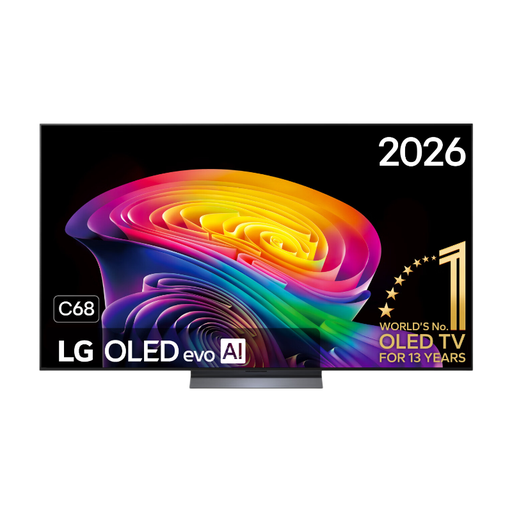 No image available
This 65-inch OLED model is an option to compare for evening viewing; check the picture in your own lighting and from your guests’ viewing distance.
Specifications: 4K, Dolby Vision, HDR10, HLG, a 40 W 2.2-channel system with Dolby Atmos and webOS 26.
No image available
The 55-inch size gives you another option to compare with your viewing distance and available space; check the OLED picture with the lights you’ll have on during your get-together.
Specifications: 4K, Dolby Vision, HDR10, HLG, Dolby Atmos and webOS 26.
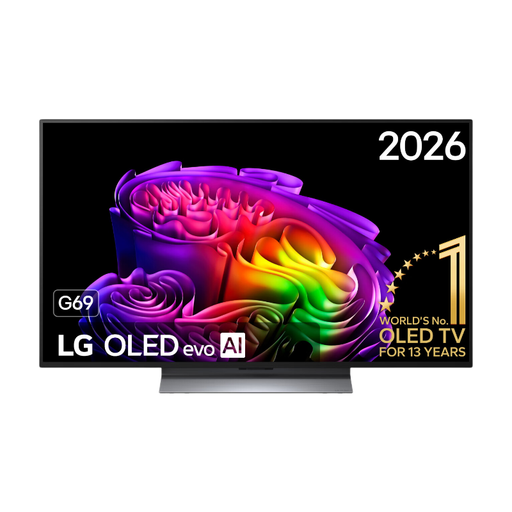 No image available
This 48-inch model is a smaller-screen option to compare if your space or viewing distance calls for a more compact size.
Specifications: 4K, Dolby Vision, HDR10, HLG, a 40 W 2.2-channel system with Dolby Atmos and webOS 26.
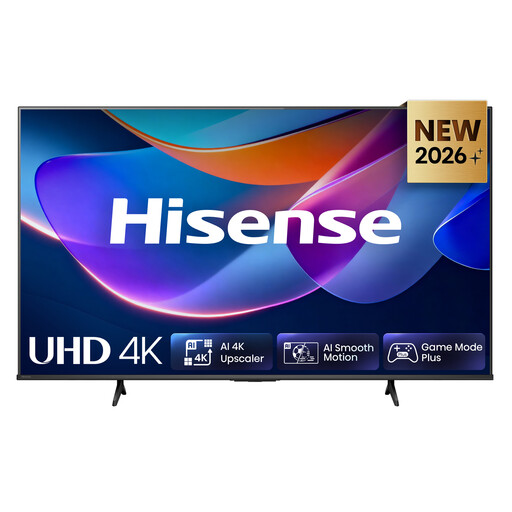 No image available
This 65-inch model is an option to compare if you’re looking for a large screen; check the viewing angle from seats to the side and make sure its external dimensions will fit.
Specifications: 4K, DLED, 60 Hz, Dolby Vision, HDR10+, DTS Virtual:X and energy class D. The product description lists a 178° viewing angle.
Measure the distance to the nearest and furthest seats, and check that the TV’s external dimensions will fit. Consumentenbond suggests around 2.4 times the screen’s diagonal as a starting point for a comfortable viewing distance; for a get-together, check the view from the seats at either end too.
No. The documentary or stream you’re watching must also provide the relevant picture information. HDR also requires a suitable HDR format supported by the TV, so check the documentary and playback source.
Check whether both the TV and soundbar have HDMI-(e)ARC. An optical digital connection may be an alternative, although you may need a separate remote control. Once connected, set the sound output to the external speaker.
Televisions sold on the EU market have an energy label; compare the label for the exact model and size, including for HDR use. According to ACM ConsuWijzer, your statutory guarantee rights against the retailer for a faulty product under normal use aren’t limited to the manufacturer’s warranty period offered.
According to ACM ConsuWijzer, a new television bought online is generally covered by a statutory cooling-off period that ends 14 days after delivery. Check the applicable terms and conditions before returning the TV.