What should you look for in a TV for a bright living room?
Mini LED LCD
Best for frequent daytime viewing in a bright room, provided the specific model handles reflections and bright conditions well.
Trade-off Local dimming can improve contrast, but Mini LED alone doesn’t tell you how well the screen reduces reflections or how wide its viewing angle is.
OLED
Best for those who also regularly watch with the lights dimmed or sit spread out in front of the screen.
Trade-off OLED can offer deep blacks and wide viewing angles; also check the specific model’s brightness and how it handles reflections in your room. There is a risk of image retention with prolonged display of static images.
LCD or QLED without confirmed Mini LED
Best for those who also weigh up price, size or features, and can compare a demonstration or model test with their usual seating position and the daylight at home.
Trade-off QLED doesn’t automatically mean Mini LED or effective anti-reflection treatment; check the backlight and the performance of the exact model.
First compare reflections and visibility in daylight, then contrast, viewing angle, size and energy use. No screen technology is automatically the right choice for all of these.
| What to consider |
What should you check? |
Who should pay extra attention? |
| Reflections and daytime visibility |
Compare reflection tests and picture performance in ambient light for the exact model. Also consider whether you could position the screen elsewhere. |
If windows or lamps are reflected on the screen, I want to keep following nature scenes without constantly darkening the room. Around 31% of consumers prioritise reducing reflections. |
| Colour and detail in bright and dark scenes |
Compare demonstrations or picture tests featuring similar scenes. Check that the programme is available in the picture format you value most. |
When the picture switches between landscapes and shadows, I want to assess colour and detail without judging it on just one type of scene. Around 25% of consumers prioritise natural-looking pictures. |
| Viewing angle when watching together |
View the picture from the usual seats off to the side; if people sit spread out, look for a viewing-angle test of the specific model. |
When we watch from different places, I want a usable picture from beside the sofa too. Around 19% of consumers prioritise viewing from multiple seats. |
| Screen size and viewing distance |
Measure the viewing distance. The Consumentenbond’s rule of thumb is a screen diagonal of roughly the viewing distance divided by 2.4, with both measurements in centimetres; use this as a guide when choosing. |
I want a size that suits the distance between the sofa and the TV, without choosing a larger screen than my room needs. For around 13% of consumers, the right screen size is the main priority. |
| Energy consumption |
For the exact models, compare energy use in kWh per 1000 hours on the energy label. Milieu Centraal advises paying attention to TV energy consumption. |
If the TV is on often, I want to factor in its energy use and set the brightness appropriately at home. Around 12% of consumers prioritise energy consumption. |
Joybuy Mini LED TVs
This selection includes Mini LED TVs for watching nature programmes in a bright living room. Compare the exact model’s reflections and daytime visibility, and choose a screen size to suit your viewing distance.
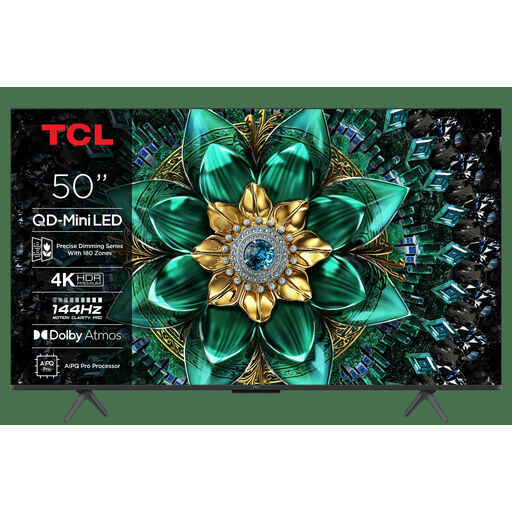 Image unavailable
TCL 50Q6C QD Mini LED TV, 4K HDR
This 50-inch QD Mini LED model is an option if you’re looking for a screen size to suit your viewing distance.
The product name lists 4K HDR, Google TV, Dolby Vision IQ, Dolby Atmos and Motion Clarity Pro 144 Hz. It also states 1000 nits; check how this figure is specified for the exact model.
View at Joybuy
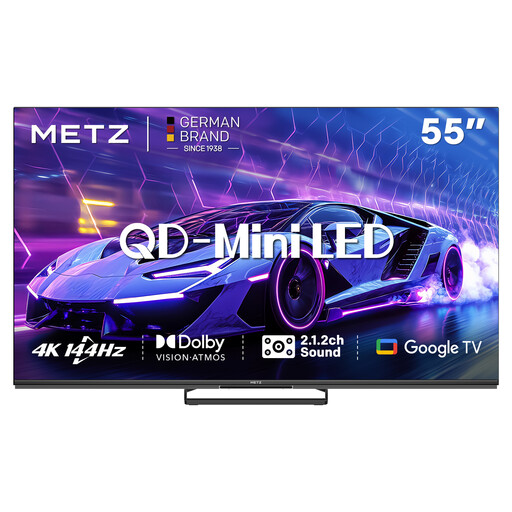 Image unavailable
METZ 55MNE8000Z QD Mini LED TV, 55-inch
This 55-inch QD Mini LED model is an option to compare if you’re looking for a mid-sized screen to suit your viewing distance.
The product name lists 4K, HDR10+, 144 Hz, Google TV and Dolby Vision.
View at Joybuy
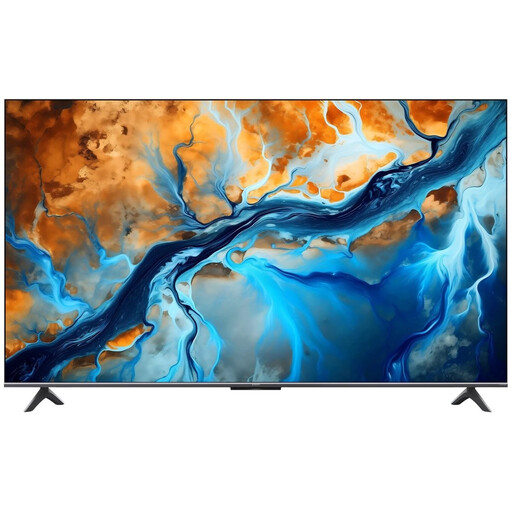 Image unavailable
Xiaomi S Mini LED 55"
This 55-inch Mini LED TV is an option if that screen size suits your viewing distance.
The product name lists 4K, 144 Hz, Google TV and Dolby Atmos.
View at Joybuy
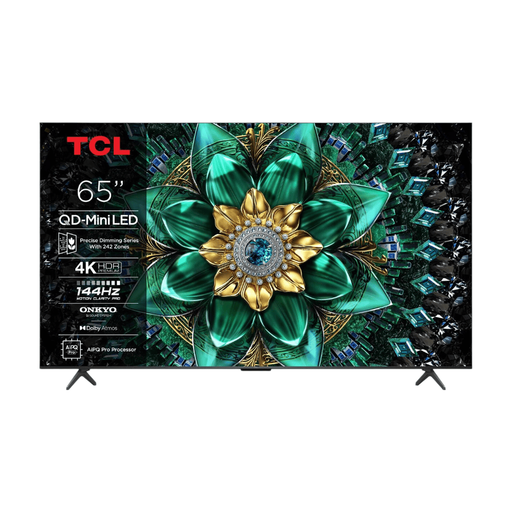 Image unavailable
TCL 65Q6C QD Mini LED TV, 4K HDR
This 65-inch QD Mini LED model is an option if you’re considering a larger screen; measure the viewing distance and available space first.
The product name lists 4K HDR and 1000 nits. Check how this brightness figure is specified for the exact model.
View at Joybuy
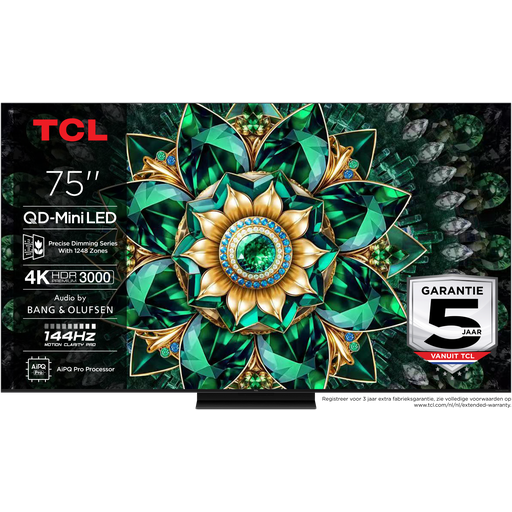 Image unavailable
TCL 75Q7C Mini LED TV, 75-inch, 4K
This 75-inch model is for those considering a large screen; check that it suits your room and viewing distance.
The product name lists 4K Mini LED, 144 Hz and Smart TV.
View at Joybuy
Frequently asked questions
Does 4K help with every nature programme?
No. The programme must also have been recorded and made available in 4K for you to see the extra picture detail. The Consumentenbond notes that the difference from Full HD isn’t always easy to see.
How should I set up a TV for daytime viewing?
Start with the home mode rather than the often brighter shop mode. Watch a familiar scene in the light you usually view in, then adjust the brightness and contrast so that you can make out both light and dark areas. The Consumentenbond advises against automatically using shop settings at home.
How do I compare TVs’ energy consumption?
Compare the kWh per 1000 hours on the EU energy label for the exact models. Your viewing hours and electricity tariff determine the cost; the brightness setting also affects energy use.
What should I check before choosing a wall bracket or streaming service?
Check the mounting specifications, connections and availability of the app you want for the exact TV model. The terms smart TV and 4K alone don’t confirm that a specific app or mounting option is suitable.
Can I return a TV bought online if it reflects too much at home?
For a standard online purchase, you generally have a legal cooling-off period of up to 14 days after delivery in which you can cancel the purchase without giving a reason. Check the applicable exceptions and the seller’s returns information.


