
Viewer in a side seat
You often sit away from the centre of the screen during matches and want a good picture from that spot too. The Consumers’ Association and RTINGS identify viewing angle as something to consider when watching sport together.


Start by checking the picture from your usual seat. For watching football from the side, a wide viewing angle matters more than a convincing picture when viewed head-on. OLED TVs generally offer a wide viewing angle, but an LCD TV may be a better fit if other factors, such as price or use in a bright room, matter more and tests of the exact model suit your setup. Also compare reflections and motion handling: a high refresh rate doesn’t prove that a broadcast is received at the same frequency.
You often sit away from the centre of the screen during matches and want a good picture from that spot too. The Consumers’ Association and RTINGS identify viewing angle as something to consider when watching sport together.
You often watch during the day and, as well as viewing angle, need to consider windows and lights that could reflect on the screen. The Consumers’ Association and RTINGS highlight reflections and brightness as factors to consider in a bright room.
You’re looking for a screen size that lets several guests follow the match without losing sight of the picture at either end of the sofa. The Consumers’ Association and RTINGS discuss viewing-angle measurements for watching from the side.
A good fit if: you often watch with several people sitting in different places and want a good picture from the side too.
Bear in mind: intensive, prolonged use with the same fixed on-screen elements remains something to consider. An extreme endurance test doesn’t tell you what will happen after one match.
A good fit if: price or watching in a bright room is a priority, and tests of the exact model also suit your seating position.
Bear in mind: viewing angle depends on the model and panel type. VA and IPS panels can perform differently in terms of viewing angle and contrast when viewed head-on.
| What to consider | What should you check? | Who should give this more weight? |
|---|---|---|
| Picture from the side | Compare horizontal viewing-angle measurements for the exact model and, if possible, view the screen from your usual seat. The Consumers’ Association and RTINGS consider viewing angle relevant when several people watch sport together. | If I often sit away from the centre of the TV, I want to know whether colour, brightness and contrast change from there. Consumers who mainly prioritise the picture from a side seat make up around 36%. |
| Reflections and daylight | Check tests of the exact model’s reflection handling and brightness, and consider where your windows and lights are positioned. RTINGS discusses both factors when watching in a bright room. | In daylight, I want to follow the match without windows or lights getting in the way of the picture. Consumers who prioritise handling reflections and visibility in daylight make up around 29%. |
| Fast-moving action | Compare tests using sports footage and pay attention to motion handling, not just the stated refresh rate. The Consumers’ Association notes that a typical TV signal is generally 50 Hz. | If I’m mainly concerned about fast camera pans and players in action, I want to judge the sports picture itself. Consumers who consider motion handling their main priority make up around 21%. |
| Size and spending | Measure your viewing distance and available space before choosing a screen size, then compare specific models and their energy labels. The European Commission explains energy labels for electronic displays. | I want a screen that fits the room and suits my budget, without assuming that bigger automatically means a better viewing experience. Consumers who mainly weigh up size and overall spending make up around 14%. |
A screen that looks impressive head-on may look different from a side seat. The Consumers’ Association and RTINGS discuss horizontal viewing angle as a relevant factor when watching from the side.
Factor in your usual seat when comparing TVs, and look for measurements or tests of the exact model.
The stated screen frequency alone doesn’t tell you how a TV displays an incoming signal or fast-moving action. The Consumers’ Association notes that a typical TV signal is generally 50 Hz.
Look at motion tests focused on sport, and don’t confuse gaming refresh rates with the frequency of the broadcast.
Viewing angle, reflections and contrast vary by panel technology and model. The panel name alone therefore doesn’t give you the full picture of what you’ll see from your seat.
Use panel type as a first filter, then compare measurements and tests for the exact model variant in similar lighting and seating conditions.
A commercial warranty period isn’t automatically the limit of your statutory rights if a product is faulty. ACM ConsuWijzer explains that the legal guarantee is a separate right.
Keep your proof of purchase and contact the retailer to claim your legal guarantee if the product is faulty.
The Dutch OLED55C68LA is a 55-inch C6 OLED variant worth considering if you need to accommodate a wide seating arrangement.
The Dutch QE65S95HFTXXN is a 65-inch S95H OLED variant for anyone looking for a large screen with a focus on reflections.
The Dutch 55OLED811/12 combines an OLED screen with Ambilight, for anyone who also appreciates lighting behind the TV.
BRAVIA 8 II is a Dutch QD-OLED range worth comparing if the technology, connections or controls on the specific model suit your needs.
This Joybuy selection includes TVs with a range of screen sizes and panel types. For watching football from a side seat, compare tests of the exact model for viewing angle, reflections and motion handling.
 No image available
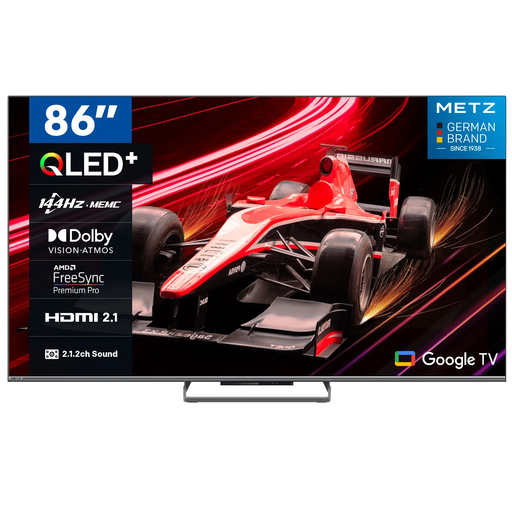
If several people watch from different seats, this 86-inch model could be a size worth comparing. Check the picture from your side seat too.
The product title lists QLED, 4K, 144 Hz, HDR10+ and Dolby Vision.
 No image available
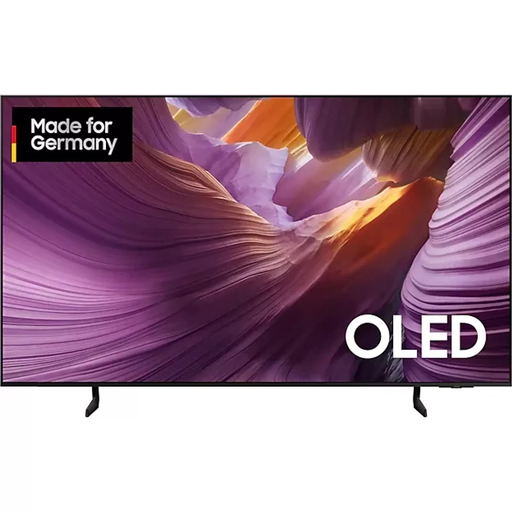
OLED is one option to consider if you want to watch from different seats. Compare this exact model variant from your side seat too.
The product title lists a 55-inch OLED screen and 4K. Image retention remains something to consider with prolonged, intensive use of fixed on-screen elements. Extreme static use is not the same as one evening of football.
 No image available
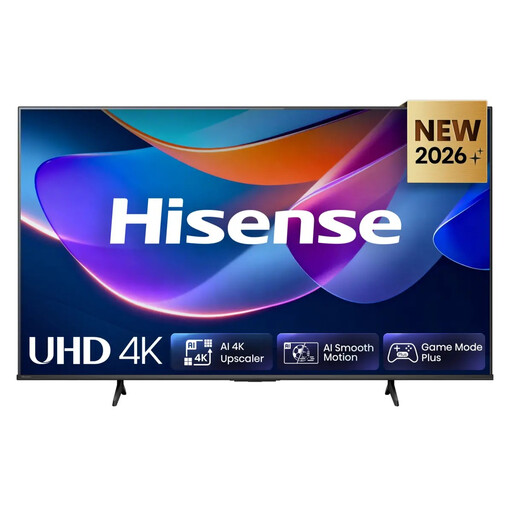
If a 43-inch screen suits your viewing distance, compare tests of this exact variant from the spot where you watch football.
The product title lists 4K UHD, 60 Hz, Dolby Vision, VIDAA and Game Mode Plus. The stated frequency alone doesn’t determine how football action is displayed.
 No image available
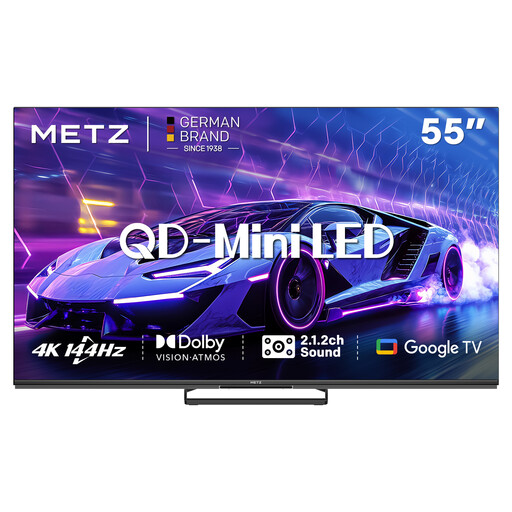
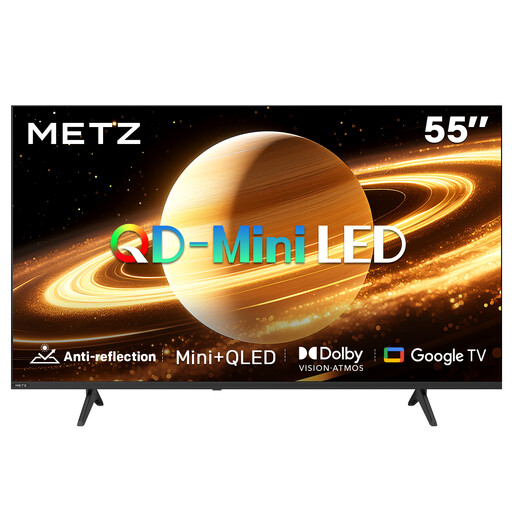
If you’re comparing a 55-inch QD-Mini LED TV, check separately how the exact model performs from your seat and in your room’s lighting.
The product title lists 144 Hz and 4K. The description mentions Sports Mode and MEMC; these features don’t replace an assessment of actual sports picture quality.
 No image available
If a matte screen is on your shortlist, assess reflections on this exact variant in a similar room and from your side seat.
The product title lists a matte screen, 60 Hz, Dolby Vision, Dolby Atmos and HDMI 2.1.
Compare horizontal viewing-angle measurements for the exact model and, if possible, view the same picture head-on and from your side seat. Look for changes in colour, brightness and black levels.
Not necessarily. LG lists up to 165 Hz for gaming on the C6, while a typical TV signal is generally 50 Hz, according to the Consumers’ Association. The quality of interpolated frames can vary, so assess the sports picture separately.
First, measure the viewing distance and available space. Follow the instructions for the exact model variant when using the stand or a suitable wall bracket and securing the TV. A general screen size doesn’t confirm compatibility.
Prolonged, intensive use with fixed on-screen elements is worth bearing in mind. An accelerated endurance test found permanent image retention under extreme conditions, but that doesn’t predict what will happen after one final. Follow your model’s care instructions.
For a standard online purchase in the Netherlands, you generally have a 14-day cooling-off period after delivery, according to ACM ConsuWijzer. Check the applicable exceptions and returns policy. If a product is faulty, the retailer remains responsible for the legal guarantee, and a commercial warranty period doesn’t automatically limit that right.