Who is this choice relevant to?

Housemates with different seats

Would you like people sitting beside the sofa to be able to follow the match too? Compare viewing angles and reflections from the seats furthest from the centre, not just from directly in front of the screen. The Dutch Consumers’ Association highlights viewing angles and reflections as factors to consider when choosing a TV.

Viewers in a bright living room

If you can’t easily darken the room during the match, assess the screen in the light conditions you’d normally have. The panel name alone won’t tell you how reflections will look in your room.

Housemates sharing the cost

Looking for a size that suits the room and want to know about energy use and any installation costs in advance? Compare the energy label for the exact TV variant, and discuss the practical cost of installation too.

What should you look for when choosing?

What to consider What should you look for? Who is this most important for?
View from every seat Measure the viewing distance and assess viewing angles and reflections from the seats furthest from the centre. I want my housemates to be able to follow the match from the side too; around 33% of consumers prioritise a good view from every seat.
Daylight and fast-moving action Watch sports footage in the light conditions you’d normally have. Compare refresh rates only for the exact models you’re considering. When I watch during the day, I want to assess reflections while there’s movement on screen; around 27% of consumers prioritise daylight performance and sports picture quality.
Shared purchase and running costs Agree on a total budget, including any installation costs. On the EU energy label, compare consumption on the same basis: SDR with SDR or HDR with HDR, in kWh per 1,000 hours. I want to know in advance what the shared purchase and future electricity costs will mean for us; around 20% of consumers name shared costs as their main consideration.
Watching the final Check which channel, app or other viewing option is showing the specific final, and whether it works with your planned TV set-up. I want to make sure the match we’re planning to watch together is available through our chosen viewing option; around 20% of consumers prioritise access to the broadcast.

Common mistakes

  • Comparing TVs only from directly in front

    When you’re watching together, some housemates may be sitting at an angle to the screen. Viewing angles and reflections can look different from those seats than they do from the spot directly in front of the TV.

    Assess the picture from the seats furthest from the centre, with the lighting you expect to have during the match.

  • Assuming a high refresh rate guarantees a great football picture

    The stated screen refresh rate describes the screen, not the frame rate of the match or how the broadcast will look in your room.

    Compare moving sports footage and check the reception method. Don’t choose based on a Hz figure alone.

  • Considering only the purchase price

    You may need to budget separately for a wall bracket or installation. Power consumption depends on the TV and how you use it.

    Check the energy label for the exact TV and include any accessories and installation costs in your shared budget.

Brands to consider

Sony

The BRAVIA 5 K-55XR5 is a 55-inch mini LED LCD model to consider when comparing TVs for a bright living room.

  • Sony specifies local dimming and a 120 Hz screen refresh rate for this model.
  • Those specifications don’t tell you how reflections, sports footage or viewing from side seats will look in your room.

LG

The OLED55C68LA is a 55-inch OLED model to compare with LCD and mini LED TVs.

  • This exact model variant offers an OLED option in this screen size.
  • Assess reflections in your own room and compare the exact model and its energy label. A brand claim doesn’t prove that it will perform better in your situation.

Samsung

The QE55Q7F3AUXXN is a 55-inch QLED 4K model to compare as an LCD option.

  • Samsung lists Quantum HDR and 4K upscaling among this model’s features.
  • These manufacturer specifications don’t tell you on their own how viewing angles or moving football footage will look in a shared living room.

Philips

The One 55PUS9000/12 is a 55-inch 4K TV with Ambilight.

  • Ambilight is a distinctive feature to consider if you like it.
  • The feature won’t determine viewing angles, reflections or whether you can access the final you want to watch.

TCL

The 55Q6C is described as a 55-inch mini LED TV and could be another option to consider.

  • This model gives you another mini LED option to assess alongside other screen types.
  • Check the specifications for the exact variant and don’t judge performance by the panel name alone.

TVs at Joybuy

This selection includes OLED, mini LED, LCD and QLED TVs to compare by size, seating positions, light conditions and reception.
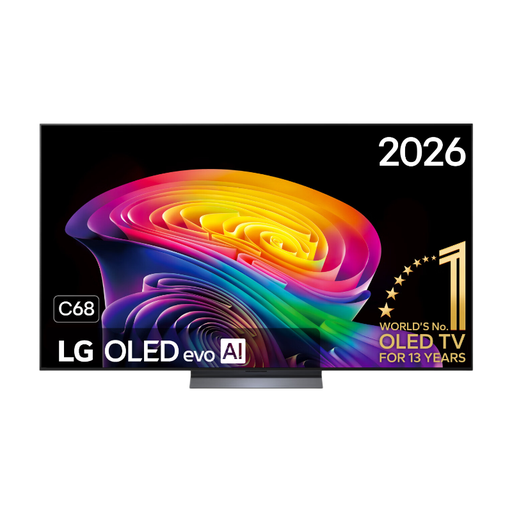
LG OLED55C68LA 55-inch OLED evo AI C6 4K Smart TV

LG OLED55C68LA OLED evo AI C6 4K Smart TV

A 55-inch OLED option to compare with your living room’s seating positions and light conditions.

55 inches, 4K OLED and a native refresh rate of 120 Hz. The product information also lists Dolby Vision, Dolby Atmos and webOS 26.

View at Joybuy
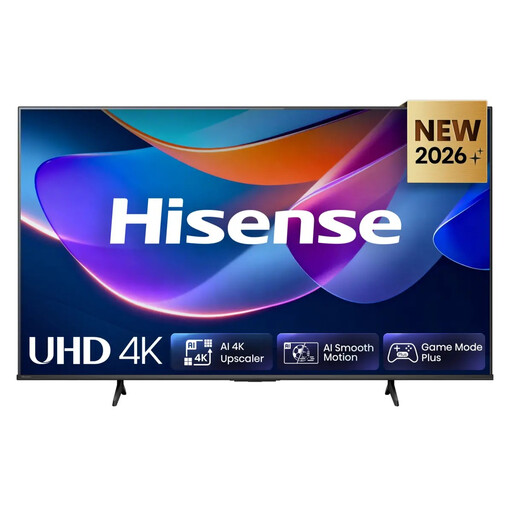
Hisense 55A6S 55-inch 4K UHD Smart TV

Hisense 55A6S 4K UHD Smart TV

An LCD option to assess by size, seating positions and the reception method you need for the final.

55 inches, 4K UHD and a stated panel frequency of 60 Hz. The product information lists DVB-T2/C/S2 reception and a light sensor. App and streaming service availability may vary by country, region and software version.

View at Joybuy
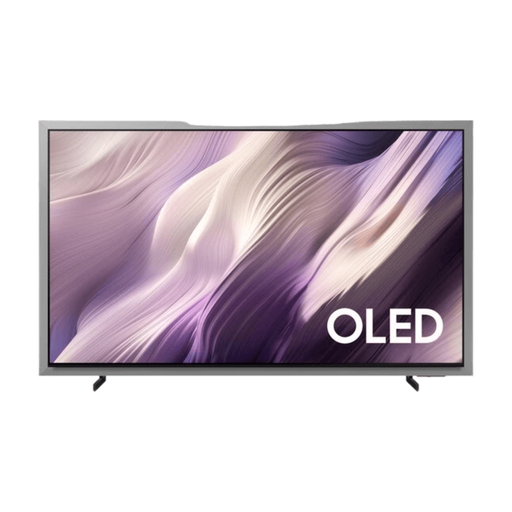
Samsung QE55S99HATXXN 55-inch QD OLED TV

Samsung QE55S99HATXXN QD OLED

A 55-inch QD OLED model to consider when comparing different seating positions and light conditions.

The product information lists 4K, 100 Hz native, an anti-glare screen surface and DVB-T2/C/S2 tuners.

View at Joybuy
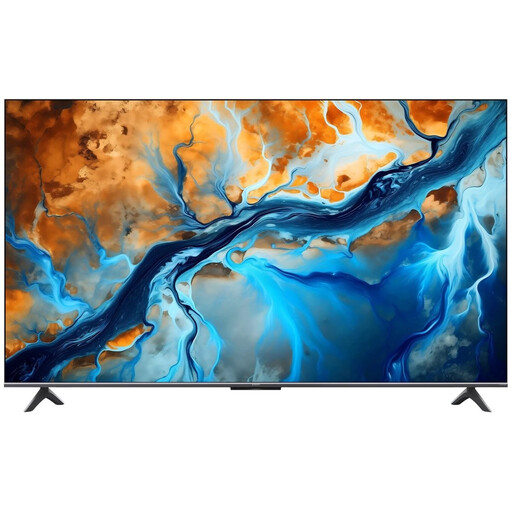
Xiaomi S Mini LED 55-inch 4K Smart TV

Xiaomi S Mini LED 55

A 55-inch mini LED option to check against the available space and your preferred viewing method.

4K UHD, 144 Hz and Google TV. The safety information says two people are needed to lift and install the TV.

View at Joybuy
TCL 55T8C 55-inch 4K QLED Smart TV

TCL 55T8C 4K QLED Smart TV

A 55-inch QLED option to compare by viewing distance, seating positions and the reception method you need.

4K UHD and 144 Hz. The product information lists Google TV, Dolby Vision and an Onkyo 2.1 sound system.

View at Joybuy

Frequently asked questions

What screen size is right for our shared living room?

First, measure the viewing distance and the space available on your TV stand or wall. Use these measurements as a starting point, then assess viewing angles and reflections from the seats furthest from the centre too. Without those measurements, it isn’t possible to recommend a specific size.

Can every smart TV show the football final live?

No. The smart TV label doesn’t confirm that a specific final will be available. Check in advance which channel or app is showing the match, what conditions apply and whether that viewing option works on the exact TV model.

What should I consider when wall-mounting a TV?

Check the instructions for the exact TV and bracket, and make sure the wall is suitable. LG warns that mounting depends on the wall type and installation environment, and recommends using a professional technician. If you live in a shared or rented home, check whether you’re allowed to drill holes too.

How can we compare the energy use of TVs?

Compare the EU energy labels for the exact model variants on the same basis: SDR with SDR or HDR with HDR. The European Commission lists energy use in kWh per 1,000 hours. To estimate your own costs, you’ll also need to know how much you expect to use the TV and your electricity tariff.

Do I need an extra retailer’s warranty to get a faulty TV fixed?

No. A commercial warranty isn’t the same as your statutory guarantee. According to ACM ConsuWijzer, in the Netherlands the retailer remains responsible for providing an appropriate solution, in addition to any commercial warranty, if a product breaks during normal use sooner than you could reasonably expect. There isn’t one fixed statutory guarantee period that applies to every TV.
