
Host who wants voices to come through clearly
You want the group to hear dialogue clearly while the kitchen is in use. Assess the TV’s sound and any connections for external audio separately.


Start with the seating, viewing distance and any reflections from the kitchen lights. These all help determine the right screen size and picture technology. OLED can be a good choice for dark scenes and generally offers a wide viewing angle. If the room is likely to stay bright, compare the brightness and reflections of specific LCD and mini-LED models. Assess speech clarity separately: picture technology alone won’t tell you how clearly voices will come through while there’s activity in the kitchen.
You want the group to hear dialogue clearly while the kitchen is in use. Assess the TV’s sound and any connections for external audio separately.
Check the picture from seats away from the central viewing position, as well as the viewing distance and available space. The Dutch Consumers’ Association recommends comparing TVs for viewing angle and reflections.
You want to see dark scenes clearly, while also considering reflections from the kitchen lights on the screen.
First measure the viewing distances, then check the screen from the seats furthest to the side. Compare picture technology and sound as separate considerations.
| What to consider | What should you check? | Who is this most important for? |
|---|---|---|
| Speech clarity | Listen to voices at your intended volume and check the audio output if you want to connect external equipment. | I want to follow dialogue while there’s activity in the kitchen; around 31% of consumers prioritise speech clarity. |
| Viewing from different seats | Check the picture from the seats furthest to the side and look for changes in brightness and colour. | If guests are sitting at an angle to the screen, I want them to have a good view too; around 25% of consumers prioritise viewing from different seats. |
| Contrast in dark scenes | Compare dark scenes in the lighting you’ll actually use during the evening. | For a documentary with dark scenes, I want to assess contrast in dim lighting; around 19% of consumers prioritise this. |
| Reflections from kitchen lights | Consider where the lights are in relation to the screen and compare reflections on specific models. | If the kitchen lights will stay on, I want to minimise distracting reflections; around 13% of consumers prioritise this. |
| Screen size | Measure from your usual seats. The Dutch Consumers’ Association suggests using around 2.4 times the screen diagonal as a starting point for viewing distance; compare nearby screen sizes too. | I want the screen to suit the viewing distance and available space; around 12% of consumers prioritise screen size. |
The distance between your eyes and the screen can help you choose a suitable size, but a suggested ratio isn’t a rule for every room.
Measure from your usual seats and compare screen sizes before you decide.
Black levels, brightness, viewing angle and reflections are all different characteristics. A general technology name doesn’t tell you how a specific model will perform in your room.
Compare specific models in the lighting you expect to use and view them from your guests’ seats.
A stated power rating or sound format doesn’t prove how clearly dialogue will come through when there’s activity in the kitchen.
Assess the sound of the specific model and check it has the right audio output if you’re considering external equipment.
A separate sound solution takes up extra space and may cost more.
ACM ConsuWijzer distinguishes between the statutory guarantee and any manufacturer’s or seller’s guarantee.
Check these separately and contact the seller if there’s a fault.
LG identifies the OLED55C51LA as OLED evo. This model is worth including when comparing OLED TVs for viewing in dim light.
Samsung presents the QE55QN90FATXXN as a 55-inch Neo QLED 4K mini-LED TV, a model to compare if ambient light is a factor.
Sony lists features including mini-LED, Google TV and Acoustic Multi Audio for BRAVIA 5. These are worth comparing together.
According to Philips, the Philips 55OLED760/12 combines OLED with Ambilight, which may be worth considering if you’d like this ambient lighting feature.
The Dutch Consumers’ Association describes the TCL 55C71K as a 55-inch mini-LED TV with Google TV and HDMI-ARC/eARC. It’s worth considering when comparing picture quality and connections.
These models offer a range of OLED, LCD and mini-LED options to compare for a documentary night. Also check your viewing set-up and the sound of the specific model.
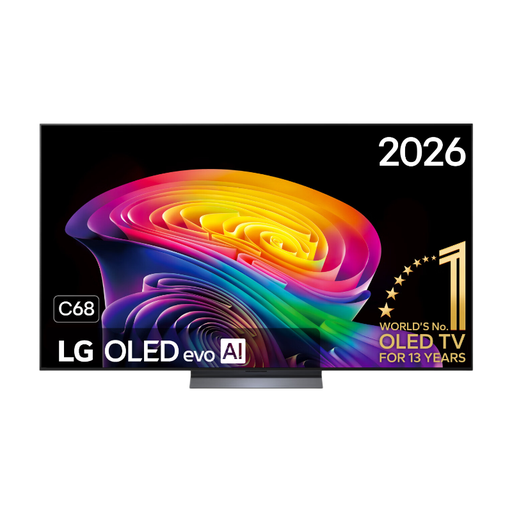 No image available
An OLED option to compare for dark scenes; assess reflections and viewing positions in your room.
The product name lists 4K, Dolby Vision and Dolby Atmos.
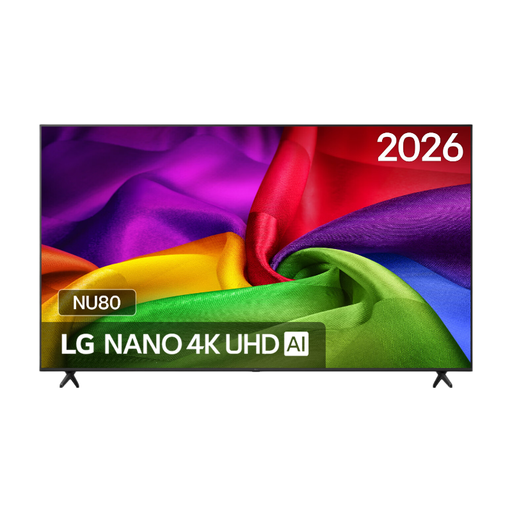 No image available
A 65-inch model to consider if that size suits your viewing distance and available space.
The product name lists NANO 4K UHD, HDR10 and HLG.
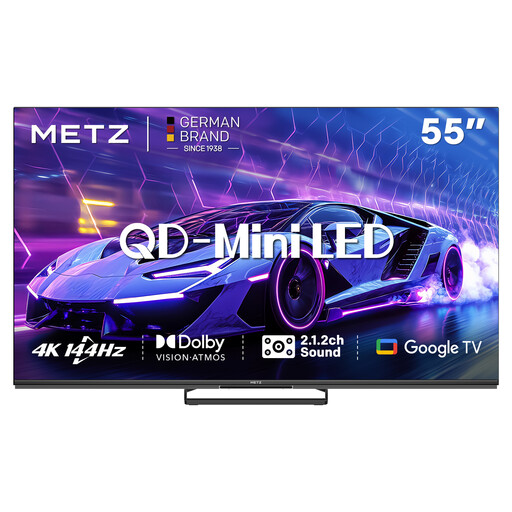 No image available
A 55-inch mini-LED model to compare if you’re taking the room’s lighting into account.
The product name lists 4K, 144 Hz and a 2.1.2 sound system.
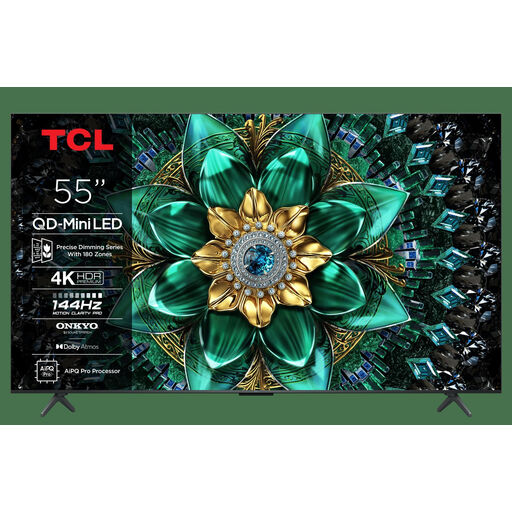 No image available
A 55-inch mini-LED option to compare; check reflections and picture quality from your guests’ seats.
The product name lists Dolby Vision IQ, Dolby Atmos and 144 Hz.
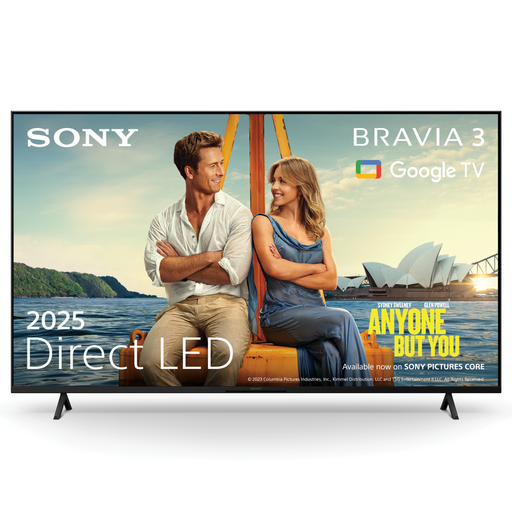 No image available
An LED model to compare with other screen technologies for the lighting and seating in your room.
The product name lists 55 inches and 4K.
Measure the distance from your eyes to the screen from your usual seats. The Dutch Consumers’ Association suggests using around 2.4 times the screen diagonal as a starting point, not a set rule; compare neighbouring screen sizes too.
Watch a familiar scene with both dark and light areas, then adjust the picture settings to suit the room’s lighting. Also check the view from the seats furthest to the side, with the kitchen lights set as they’ll be during the evening.
According to ACM ConsuWijzer, online consumer purchases generally come with a statutory 14-day cooling-off period, which starts after delivery. Check the applicable terms and exceptions before returning the TV.
The European Commission describes an A to G energy label scale for electronic displays, with separate consumption information for SDR and HDR. Compare specific models on the same basis.
No. ACM ConsuWijzer explains that your statutory rights depend on what you could reasonably expect from the product under normal use; a manufacturer’s guarantee is separate. Contact the seller if there’s a fault.