
Evening viewers of dark detective series
Usually watch with the lights dimmed and want to make out details in dark scenes. The Consumers’ Association highlights black levels as something to consider when comparing TVs.


First, choose a screen size that suits your viewing distance and available space. Then compare how each model handles dark scenes, viewing angles, reflections and dialogue clarity. According to the Consumers’ Association, OLED can generally offer deeper blacks and a wider viewing angle. In a bright room, pay extra attention to brightness and reflections on LCD TVs, including QLED and mini-LED models. If you want to listen privately, also check that the specific model works with your headphones.
Usually watch with the lights dimmed and want to make out details in dark scenes. The Consumers’ Association highlights black levels as something to consider when comparing TVs.
Watch together from different spots or in changing light. The Consumers’ Association discusses viewing angles and screen reflections as features to assess for each model.
Want to follow the dialogue while their housemates do something else. The Consumers’ Association highlights dialogue clarity and a suitable headphone connection as useful things to consider.
Best for: mainly evening viewing and when housemates sit at an angle to the screen. The Consumers’ Association says OLED generally offers deeper blacks and a wider viewing angle.
Consider: check the specific model’s reflections and brightness; OLED isn’t automatically right for every lighting condition.
Best for: if the room is often bright, compare models for brightness and measured reflections. The Consumers’ Association notes that QLED TVs can often produce higher brightness levels.
Consider: higher brightness alone doesn’t tell you how a TV will perform for black levels, viewing angles or dialogue clarity.
The Consumers’ Association highlights black levels, viewing angles, reflections, dialogue clarity and viewing distance as things to consider. Energielabel.nl lists energy consumption per 1,000 hours as a basis for comparing energy use.
| Feature to consider | What to check before buying | Who should pay extra attention? |
|---|---|---|
| Dark scenes | Compare the model’s black levels and picture measurements; don’t base your choice on screen technology alone. | If I mainly watch detective series in the evening, I want to follow the details in dark scenes without relying on a technology name alone. Around 28% of consumers here put dark scenes first. |
| Viewing angles and reflections | Check the measurements for viewing angles and reflections, and take seating positions, windows and lamps into account. | If we watch from different spots, I want to assess the picture from the side and take the light in the room into account. Around 22% of consumers here prioritise viewing angles and reflections. |
| Dialogue and headphones | Check dialogue clarity and whether the exact model works with the headphones you plan to use; separately check whether two audio outputs can be active at the same time. | If I want to listen privately while my housemates get on with their own activities, I look for clear dialogue and the audio output I need. Around 22% of consumers here prioritise quiet listening. |
| Screen size and space | Measure the viewing distance and available space, including room for the TV stand. The Consumers’ Association uses the viewing distance in centimetres divided by 2.4 as a starting point for the screen diagonal in centimetres. | If the TV needs to fit in a shared room, I want to choose a size that suits both the viewing distance and the furniture. Around 17% of consumers here prioritise size and placement. |
| Power consumption | Compare the energy label and the stated consumption per 1,000 hours on the same basis. | If my housemates want to take power consumption into account, I compare the stated figure separately from how long I use the TV. Around 11% of consumers here prioritise energy use. |
QLED is a type of LCD; the technology name alone doesn’t tell you how a particular TV handles reflections, viewing angles or speech.
Compare these features for each model and take the lighting in the room where you watch into account.
Screen diagonal, viewing distance and the space available for the TV are all different measurements.
Measure the distance from your seat and check that you have enough room for both the screen and the stand.
Being able to pair headphones doesn’t automatically mean the built-in speakers will keep playing audio at the same time.
Check the specifications or manual for the exact model to see which audio outputs can work simultaneously.
The Dutch-market OLED C5 models are a useful reference if you want to compare OLED contrast and viewing angles. Check the full model code for the version you’re considering.
The Dutch-market 55-inch QN90F is a Neo QLED mini-LED model to include when comparing TVs for a brighter room.
The 55PUS9000/12 is a QLED model with Ambilight, letting you assess the picture and the lighting around the screen separately.
The Dutch-market 55-inch BRAVIA 5 is another mini-LED option to compare, with Google TV.
These TVs at Joybuy offer a range of screen technologies and sizes to compare for detective series in a shared living room. Check that each model works with the headphones you want to use, and measure your viewing distance and available space.
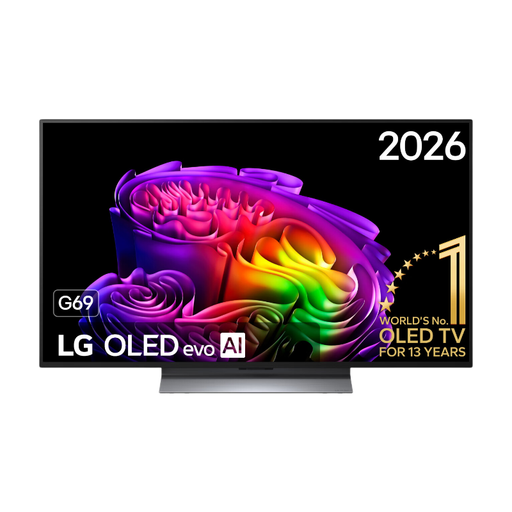 Image unavailable
OLED is an option to compare for dark scenes; the Consumers’ Association says it generally offers deeper blacks.
The product information lists Bluetooth and simultaneous audio output. Check which combination of audio outputs suits your needs.
Specifications in the product name: α11 Gen3 AI Processor, 120Hz Native and VRR 165Hz.
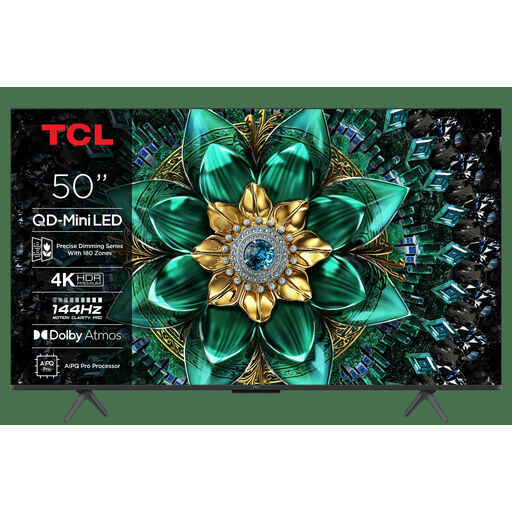 Image unavailable
This QD-Mini LED model is an option to compare with OLED; assess its brightness and reflections in your own room.
The product information lists Google TV, Dolby Vision IQ, Dolby Atmos and 144 Hz.
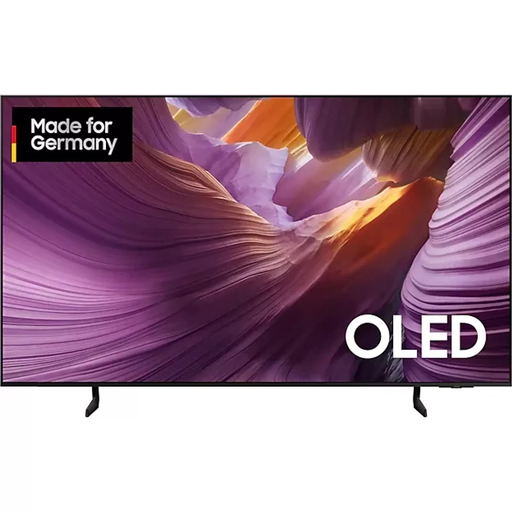 Image unavailable
This OLED model is worth comparing for evening viewing; the Consumers’ Association says OLED generally offers deeper blacks.
The product information lists Wi-Fi, Bluetooth, four HDMI ports and DVB-C/S2/T2.
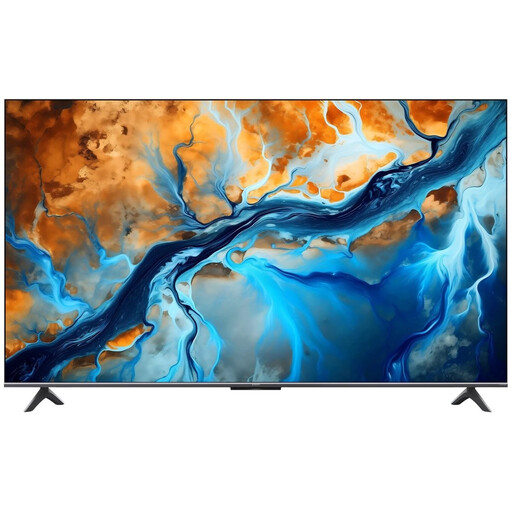 Image unavailable
Mini LED is an alternative to compare with OLED; choose a size that suits your viewing distance and the space in your shared room.
The product information lists 144 Hz and Dolby Atmos. It also says that the model has a 3.5 mm jack.
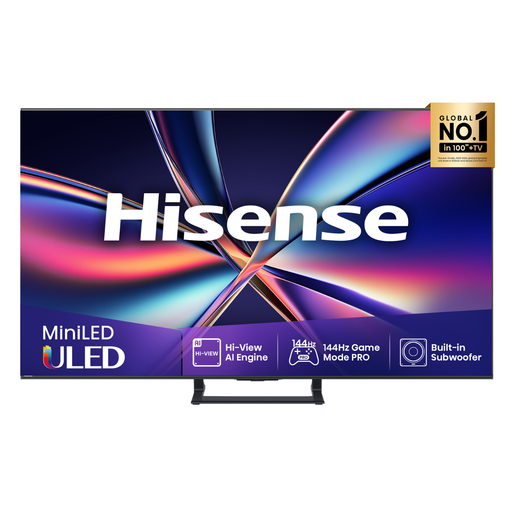 Image unavailable
The product description mentions a wide viewing angle; check that the 75-inch screen and viewing distance suit your seating positions.
The product information lists 144 Hz and VIDAA.
Measure from your eyes when seated to where the screen will be. The Consumers’ Association uses the distance in centimetres divided by 2.4 as a starting point for estimating the screen diagonal in centimetres. Then compare the sizes available and measure the space where you plan to put the TV.
A TV with a compatible Bluetooth headphone connection can let you listen privately. Check compatibility with the specific model and, if you also want sound from the TV speakers, whether both audio outputs work at the same time.
Check the dimensions, including the stand, and make sure the TV has the connections you need for devices such as a receiver or sound system. Follow the manual for your chosen model when positioning it.
The Dutch TV energy label runs from A to G and shows energy consumption per 1,000 hours. Energielabel.nl recommends using this figure as a basis for comparison; tailor any estimate for your own situation to your viewing time and electricity tariff.
If a product is faulty, the seller is your point of contact for the statutory guarantee in the Netherlands; the manufacturer’s guarantee is separate, according to the Dutch Government. For online purchases, you generally have 14 days from delivery to change your mind, subject to the applicable terms and exceptions set out by ACM ConsuWijzer.