
Daytime viewer with tall windows
You regularly watch films while daylight streams in and want to be able to follow dark scenes too.


If you watch adventure films during the day in a room with tall windows, start by comparing mini-LED LCD TVs for reflections and visibility in incoming daylight. If you also often watch in dim light and value deep blacks or a wide viewing angle, compare OLED too. The right choice depends on the specific model, where your windows are and when you watch.
You regularly watch films while daylight streams in and want to be able to follow dark scenes too.
You can see windows reflected on the screen from your usual seat, and want to consider reflections and positioning rather than relying on marketing terms alone.
You also use your bright living room in dim light, and weigh up deep blacks and viewing angle against daytime viewing.
A good fit if: you mostly watch during the day and want to compare how each model keeps the picture and dark scenes visible in incoming daylight.
Trade-off: a high quoted HDR brightness doesn't, on its own, tell you whether window reflections will be distracting. According to the Consumentenbond, LCD generally offers less deep blacks and often a narrower viewing angle than OLED.
A good fit if: you also often watch in dim light and value deep blacks or a wide viewing angle.
Trade-off: even with a specific OLED model, check its brightness and reflections in daylight. Long periods showing a static image can also increase the risk of burn-in.
A good fit if: screen size and purchase price matter more to you than the best possible film picture, and you're prepared to check the specific model's picture in daylight.
Trade-off: backlighting and image processing vary by model. Without suitable local dimming, dark scenes may not look as deep and rich.
The Consumentenbond takes visibility in incoming daylight and screen reflections into account in its TV tests. Compare these points for the specific model and from the seat you use at home.
| What to consider | What should you check? | Who is this important for? |
|---|---|---|
| Visibility in daylight | Compare visibility in incoming daylight and HDR brightness for the specific model; a peak figure doesn't tell you everything about how films will look. | If I want to keep following both dark and bright scenes during the day, visibility comes first. Around 36% of consumers say daylight visibility is their main consideration. |
| Window reflections | Check where the windows are in relation to the screen and sofa, and look for a model-specific assessment of reflections. | If windows are reflected on the screen from my seat, I want to know how distracting they are before judging the TV on brightness. Around 29% of consumers put reflections first. |
| Film contrast | Watch dark and bright scenes in your usual lighting; compare OLED with LCD, and check the backlighting on LCD models. | If I care about detail in both dark and bright film scenes, I compare picture quality in my own viewing conditions. Around 21% of consumers give film contrast top priority. |
| Screen size and energy use | Measure your viewing distance and available space, then compare the EU energy label, including HDR information, for specific models. | If I'm looking for a screen size that suits my viewing distance and want to keep an eye on ongoing energy costs, I consider both when making my choice. Around 14% of consumers prioritise screen size and running costs. |
An HDR peak figure doesn't, on its own, tell you how distracting a window reflection will be or how clearly you'll see dark film scenes in daylight.
For the specific model, look for separate assessments of visibility in incoming daylight, reflections and film contrast.
Image processing, viewing angle and the light in your room all affect how a TV looks in practice.
Compare models in the lighting conditions you actually watch in, and consider both technologies if they suit your viewing habits.
Shop settings can look brighter and more vivid than you'll find comfortable at home.
Try the home settings with a familiar scene that has both bright and dark areas, in the lighting you normally watch in.
The QN90F range is a mini-LED option to compare if daylight and reflections are key considerations.
The 65C7K is a QD mini-LED model to compare for brightness and local dimming.
The 65U8Q is a mini-LED alternative with a quoted screen size of 65 inches and 4K resolution.
The OLED65C5ELB is an OLED option for anyone who values black levels and watching in dim light.
According to Philips, the 65MLED910/12 combines QD mini-LED with Ambilight.
These Joybuy products are mini-LED TVs, including a TV bundle with a soundbar. Compare the screen size with your viewing distance, and check reflections and daylight visibility for each model.
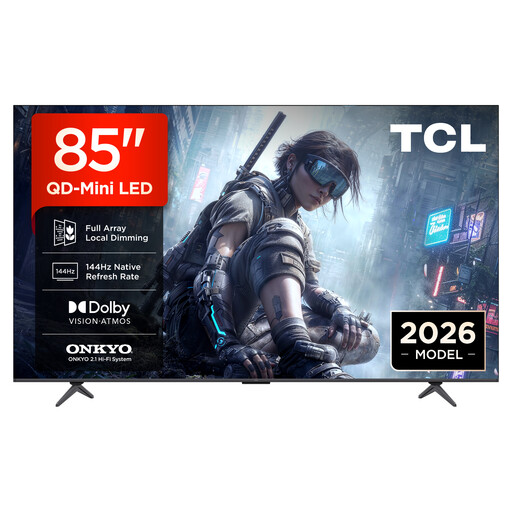 Image unavailable
The 85-inch screen may suit you if your viewing distance and available space allow for it.
The product name lists 4K, HDR and 144 Hz.
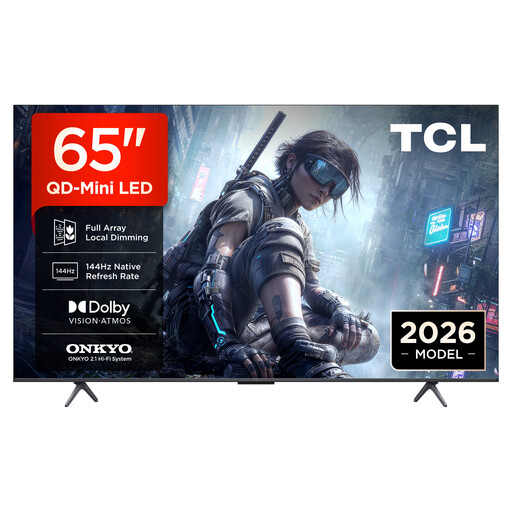 Image unavailable
The 65-inch size is an option if it suits your viewing distance and available space.
The product name lists Google TV, Dolby Vision, HDR10+ and 144 Hz VRR.
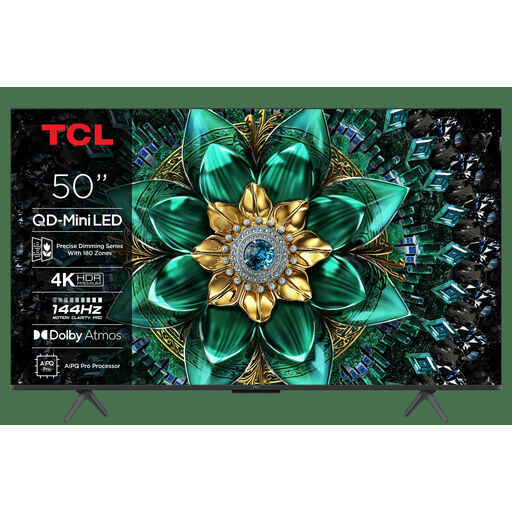 Image unavailable
This 50-inch version is an option if you're looking for a smaller screen to suit your room and viewing distance.
The product name lists 4K HDR and 1000 nits. Dolby Vision IQ and HDR10+ are also mentioned.
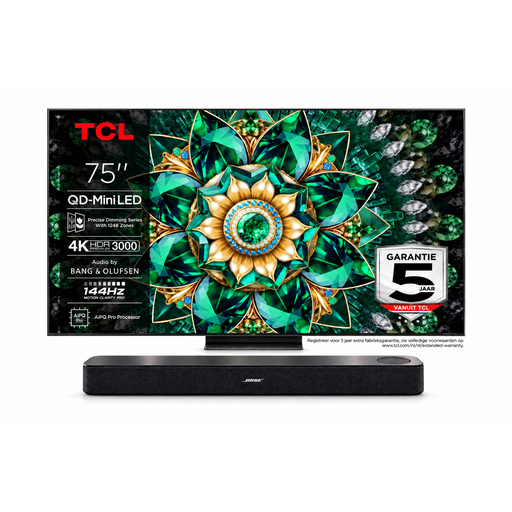 Image unavailable
This bundle includes a 75-inch TV and a soundbar; check that the size and included audio equipment suit your room.
The product name lists 4K, 144 Hz and a Smart TV.
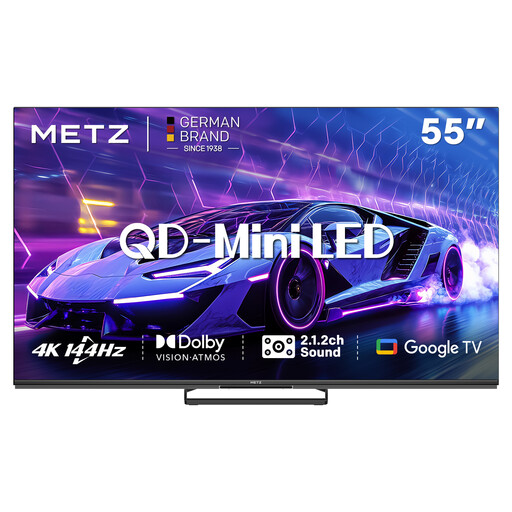 Image unavailable
The 55-inch screen may suit you if you have less space for a TV than the larger models require.
The product name lists Google TV, 4K HDR10+, 144 Hz and a 2.1.2 sound system.
No. Brightness and screen reflections are separate things to assess, as the Consumentenbond also explains in its test information. Compare both for the specific model, and check how the windows look from your own seat.
Use the home settings rather than the often extra-bright shop mode. Watch a familiar scene with both dark and bright areas while the room is normally lit, then adjust the brightness and contrast so details remain visible in both.
Check the EU energy label for the specific TV; it also includes information about HDR playback. A different brightness setting can affect the actual energy use.
No. According to the Dutch government, there is no fixed legal guarantee period in the Netherlands. You're entitled to a product that works properly, and if there's a fault you can contact the retailer. An additional guarantee doesn't replace your legal rights.