Who is this buying guide for?

Viewer bothered by window reflections

You can see the tall windows reflected in the screen and want to follow dark film scenes during the day. Check the reflection test for the specific TV and think about where it will go in your home. RTINGS explains how direct and total reflections can affect the picture.

Daytime viewer

You often watch in a bright room, even when the window is not reflected directly in the screen. Compare brightness with contrast and reflection handling. The Consumers’ Association notes that LCD TVs can often be bright enough for a room with lots of light.

Film fan who watches in different lighting

You watch both during the day and in dim lighting, and dark scenes matter to you. Compare OLED and Mini LED on the exact model, and factor in screen size and energy consumption too. RTINGS discusses the differences between these screen technologies.

What should you look for when buying?

Mini LED LCD

A good fit if: you mostly watch during the day and brightness and reflection handling are important priorities.

The trade-off: LCD backlighting does not automatically deliver the pixel-level blacks of OLED. Compare the exact models, as RTINGS recommends.

OLED

A good fit if: deep blacks matter to you, you also watch in lower light and the model’s reflections are acceptable in your room.

The trade-off: brightness and reflections vary by model. There is also a usage-dependent risk of permanent image retention if a static image is displayed for long periods.

Standard LCD or QLED

A good fit if: screen size and purchase price come first, and you can keep the windows out of the screen’s reflection by positioning the TV carefully or controlling the light.

The trade-off: QLED is also LCD. The label alone does not tell you whether a model has Mini LED, handles reflections well or performs well in dark scenes.

Concern What to look for when buying Who is this important for?
Reflections from tall windows Check direct reflection measurements for the exact version, and consider whether the window will be opposite the planned screen position. If I can clearly see the window in the screen and want to follow dark scenes during the day, reflection handling comes first. Around 31% of consumers prioritise direct reflections from windows.
Visibility in daylight Compare brightness and reflection measurements for the same screen size and, where possible, the same picture mode. If I watch in a bright room without obvious window reflections, I want to know whether the film remains visible. Around 25% of consumers say general visibility in daylight is their main concern.
Dark scenes and film picture quality Check independent model tests for contrast and dark scenes, and assess the picture in your usual lighting. If shadows and blacks make all the difference to my films, I compare OLED with LCD featuring local dimming. Around 19% of consumers prioritise film contrast.
Screen size and placement Measure your viewing distance and the space available for the TV. The Consumers’ Association cites around 2.4 times the screen diagonal as its preferred viewing distance, based on its own research; use this as a starting point. If I first want to find out which screen will suit my viewing position, I measure the distance and available space. Around 13% of consumers give the most weight to screen size and placement.
Running costs Compare the EU energy label for the exact version and also check the separate information on HDR energy consumption. If I want to consider energy use as well as the purchase price, I compare the labels of the models I’m considering. Around 12% of consumers prioritise running costs.

Common buying mistakes

  • Treating ‘matte’ or ‘anti-reflective’ as proof

    A screen finish can affect both direct reflections and how black looks in ambient light. The label alone does not tell you how the specific TV performs.

    Compare direct and total reflection measurements for the exact model version, and take the position of the window into account.

  • Assuming QLED automatically means Mini LED

    QLED is an LCD label; local dimming and how it is implemented need to be assessed separately.

    Check the screen type and backlighting for the full model number.

  • Confusing the picture in the shop with the settings you want at home

    According to the Consumers’ Association, shop mode is often brighter and more vivid than you need at home. A higher brightness setting can also increase energy consumption.

    At home, assess a familiar film scene in your usual lighting and check the energy label for the exact version.

TV brands to consider

Samsung

Samsung’s Dutch Neo QLED Mini LED range includes the 55-inch QE55QN90FATXXN, making it worth considering when comparing LCD options for a bright room.

  • Samsung describes the QN90F as a 4K Mini LED TV and also offers a separate Glare Free range.
  • This does not confirm that every screen size or version handles reflections in the same way. Check the reflection test for the exact model.

Sony

The Dutch BRAVIA 7 II is an RGB LED option to consider if you want to assess film viewing and use in a bright room together.

  • Sony describes the 65-inch K65XR75M2PB.CEI as a 4K RGB LED TV with an XR Processor and Google TV.
  • A manufacturer’s description is not an independent reflection measurement. Check the full model number too, as regional versions can differ.

TCL

The C8K range is sold in the Netherlands as QD Mini LED, with versions in different screen sizes.

  • TCL lists dimming zones, HDR brightness and a WHVA panel for the series.
  • These are claims for the series, not necessarily measurements for every size. Check the exact version and whether the screen size will fit your TV stand.

LG

The Dutch OLED55G56LS from the G5 range is an OLED option for anyone who is considering film contrast.

  • LG describes this model as having self-lit pixels and deep blacks.
  • This does not guarantee that window reflections will be unobtrusive in every setup. There is a usage-dependent risk of permanent image retention if a static image is displayed for long periods.

Joybuy TVs for bright rooms

These TVs offer LCD options to compare for films in a bright room, from standard LCD models to QD Mini LED versions. Assess reflections and picture quality on the exact version and in the light from your own windows.
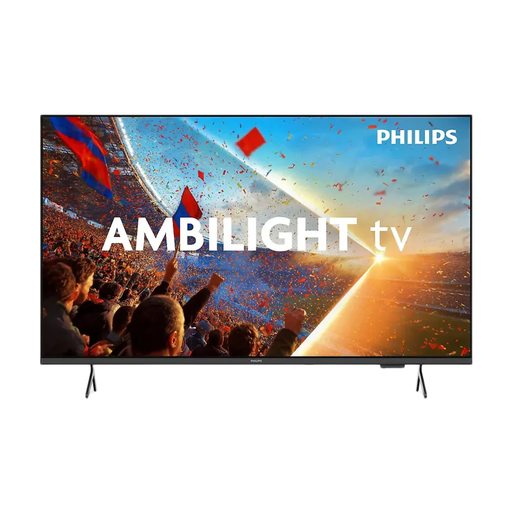
Philips 55PUS8001 55-inch 4K TV

Philips 55PUS8001 55-inch 4K TV

An option to compare if you’re considering a standard LCD TV with a 55-inch screen for films in changing ambient light. The product name specifies 55 inches and 4K.

Joybuy
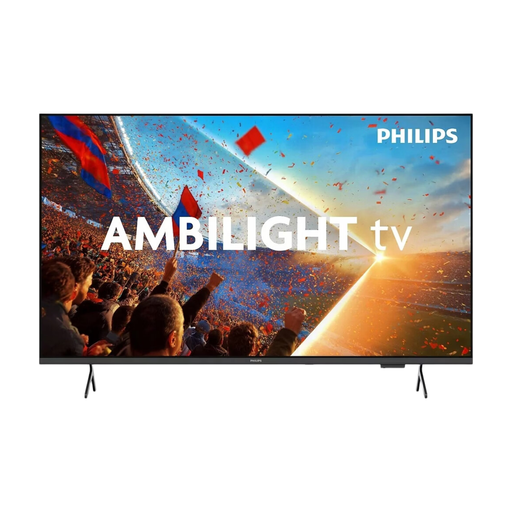
Philips 43PUS8001/12 43-inch 4K TV

Philips 43PUS8001/12 43-inch 4K TV

An option to compare if you’re considering a standard LCD TV and looking for a 43-inch version. The product name specifies 43 inches and 4K.

Joybuy
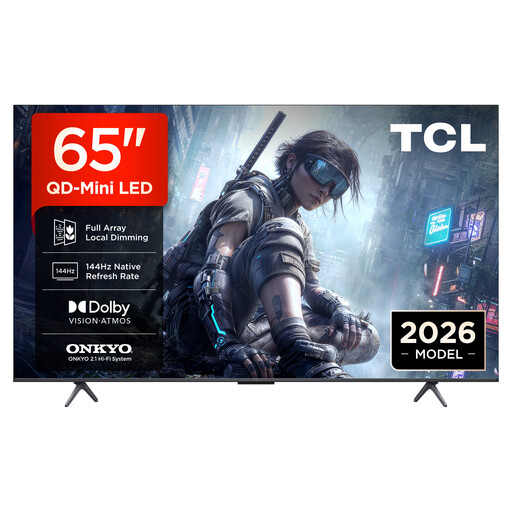
TCL 65T8D 65-inch QLED TV with QD Mini LED dimming

TCL 65T8D 65-inch QLED 4K with QD Mini LED dimming

An option to compare if you’re considering a QD Mini LED LCD TV with a 65-inch screen for daytime films. The product name specifies QLED, QD Mini LED dimming and 4K.

Joybuy
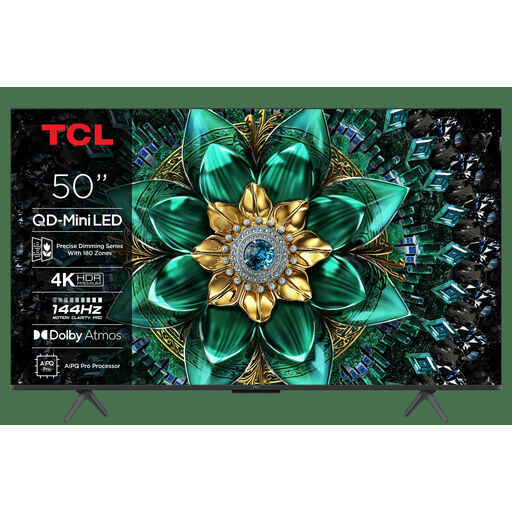
TCL 50Q6C 50-inch QD Mini LED TV, 4K HDR

TCL 50Q6C 50-inch QD Mini LED TV, 4K HDR

An option to compare if you’re looking for a smaller QD Mini LED screen for films in a bright room. The product name specifies 50 inches, 4K HDR and 1000 nits.

Joybuy
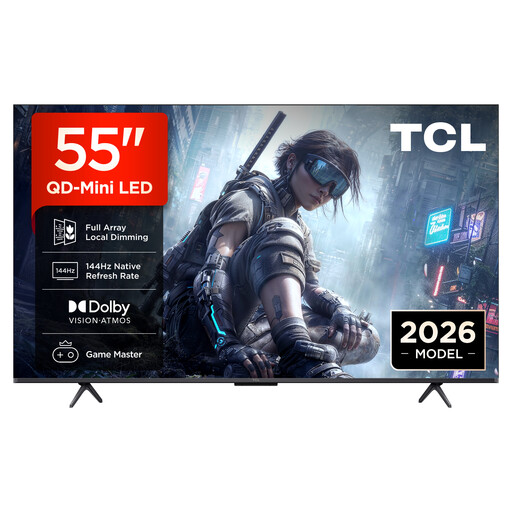
TCL 55T8D 55-inch QLED TV with QD Mini LED dimming

TCL 55T8D 55-inch QLED 4K with QD Mini LED dimming

An option if you’re looking for a QD Mini LED LCD TV in a 55-inch size. The product name specifies QLED, QD Mini LED dimming and 4K.

Joybuy

Frequently asked questions

Does a matte TV always prevent reflections from tall windows?

No. A matte finish alone is no guarantee against reflections from windows. RTINGS highlights differences between screens in direct reflections and how they display black in ambient light, so check measurements for the exact model and consider the position of the window.

How should you set up your TV at home for daytime films?

Start with Home mode rather than Shop mode. Assess a scene with both light and dark areas in your usual lighting, then adjust the brightness so details remain visible. A higher setting can increase energy consumption.

How do you choose a screen size without assuming one size suits everyone?

First, measure the distance between your seat and the screen. Based on its own research, the Consumers’ Association gives a preferred viewing distance of around 2.4 times the screen diagonal. Use this ratio as a starting point and also check that the TV will physically fit.

What warranty and cooling-off period apply to an online purchase in the Netherlands?

According to the Dutch government, there is no fixed time limit for the statutory guarantee in the Netherlands; if something is faulty, contact the seller. For online purchases from a business, a 14-day cooling-off period applies in many cases. An additional manufacturer’s warranty does not replace your statutory rights.

How do you compare energy consumption between TVs?

Compare the EU energy label for the exact version and also check the separate information on HDR energy consumption. The European Commission describes the energy label scale for electronic displays as running from A to G.
