Start by looking at where your windows are. For each specific TV model, compare how it handles direct reflections and how bright it is in ambient light. Mini LED and other LCD TVs can suit rooms with plenty of daylight, while OLED can be appealing for deep blacks and wide viewing angles. The model’s screen finish and performance determine how well it works in your room.
Who is this a good choice for?
Daytime viewer with windows opposite the TV
You watch with the curtains open and want to see faces and dark scenes without distracting reflections from the windows. RTINGS and the Consumentenbond include reflections and visibility in ambient light in their TV reviews.
Fan of dark scenes
You pay attention to shadow detail, contrast and colour in costumes and sets, and can sometimes limit the amount of light in the room. The Consumentenbond highlights, among other things, differences in black levels between OLED and QLED TVs.
Viewer with several seating positions
You watch together from a wide sofa or from different angles, and want the picture to remain clear away from the centre of the screen. The Consumentenbond recommends considering viewing angle when comparing TVs.
What should you look for when buying?
Bright LCD or mini LED TV
A good fit if: you usually watch during the day and plenty of light enters the room; compare models with tested reflection handling and local dimming.
Trade-off: high brightness alone won’t eliminate a direct reflection from a window; also check the viewing angle and whether bright halos appear around objects in dark scenes.
OLED with good reflection handling
A good fit if: dark scenes and viewing from different seats matter to you; compare the brightness and reflections of the specific OLED model.
Trade-off: OLED isn’t automatically the right choice opposite a tall window. Image retention can still be a consideration if you leave a static image on screen for long periods; how relevant this is depends on the model and how you use it.
| What to consider |
What should you check? |
Who is this important for? |
| Window reflections |
Compare tested handling of direct reflections and brightness for the exact model. Check where the windows appear on screen from your usual seat. |
If I watch during the day with the curtains open, I want reflections not to obscure dark scenes. Around 36% of consumers prioritise reducing reflections from windows. |
| Dark scenes |
Compare black levels, local dimming and HDR picture quality using a dark scene; check whether the series is available in HDR. |
When watching historical dramas, I want to make out details in dark costumes and sets. Around 29% of consumers give contrast and shadow detail top priority. |
| Viewing angle |
Check independent viewing-angle measurements and watch from the seats furthest to the side, not just directly in front of the TV. |
If we watch from different places on the sofa, I want the picture to look good away from the centre too. Around 21% of consumers prioritise visibility from side seats. |
| Screen size and energy use |
Measure your viewing distance and compare screen sizes. Check the EU energy label for the exact version and its energy use in SDR and HDR. |
I want a screen size that suits my viewing distance, and I also consider energy use. Around 14% of consumers prioritise screen size and running costs. The Consumentenbond suggests a viewing distance of around 2.4 times the screen diagonal as a guide. |
Common buying pitfalls
-
Comparing peak brightness alone
A bright picture doesn’t necessarily stop a tall window from reflecting directly on the screen.
For the exact model, also look at independent test results for direct reflections and assess dark scenes in similar lighting conditions.
-
Assuming QLED, mini LED or OLED tells you everything about picture quality
Reflection handling, contrast and viewing angle vary from model to model, even within the same screen technology.
Compare tests and specifications for the full model code and screen size before choosing a screen technology.
-
Assuming regional models or screen sizes are identical
Sharing a series name doesn’t guarantee that every version has the same features.
Before buying, check the full model code, screen size, included accessories and energy label of the TV on offer.
Brands to compare
Sony
The BRAVIA 9 II range is an RGB LED option to compare for a bright living room.
- RTINGS reports strong window-reflection handling and high brightness for the BRAVIA 9 II it tested.
- That assessment applies to the model tested; check the Dutch version, size and setup separately.
Samsung
The Neo QLED and OLED S95H ranges offer different options to compare for a bright living room.
- RTINGS reports strong reflection handling alongside OLED contrast for the S95H it tested.
- The test was of a 77-inch US version. Check the features and specifications for the Dutch size and model code.
TCL
The Dutch 65C8L is a mini LED model to compare if brightness and adjustable backlighting are important to you.
- TCL lists 2.040 dimming zones and an HDR peak brightness claim of up to 5.000 nits for the 65C8L.
- These are manufacturer specifications and a claim, not an independent brightness measurement or proof that window reflections will disappear.
LG
The Dutch OLED evo G6 range is worth comparing if you’re looking for OLED contrast and a screen finish designed to reduce reflections.
- LG lists Reflection Free Premium for the OLED77G67LW.
- Check the exact version and an independent reflection test; LG’s stated relative brightness isn’t an independent measurement for your room.
Philips
The Dutch 65MLED910/12 is a mini LED option with Ambilight.
- Philips lists mini LED and Ambilight for this version.
- Ambilight isn’t an anti-reflective treatment; check separately how the screen handles reflections with tall windows.
Joybuy products
This selection includes OLED TVs for those who care about dark scenes, plus an LCD TV as an alternative to compare. The listed product features alone don’t tell you how well a model handles reflections from windows.
 No image available
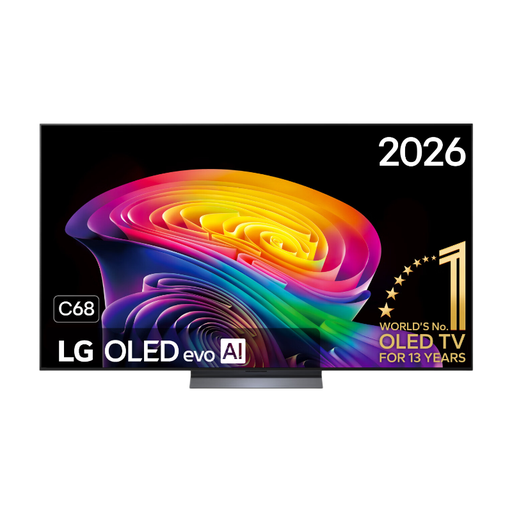
LG OLED65C68LA C6 65-inch OLED evo 4K Smart TV
An OLED option to compare if black levels and dark scenes are high on your list.
65 inch; 4K; Dolby Vision, HDR10 and HLG; 120Hz; VRR up to 165Hz.
View at Joybuy
 No image available
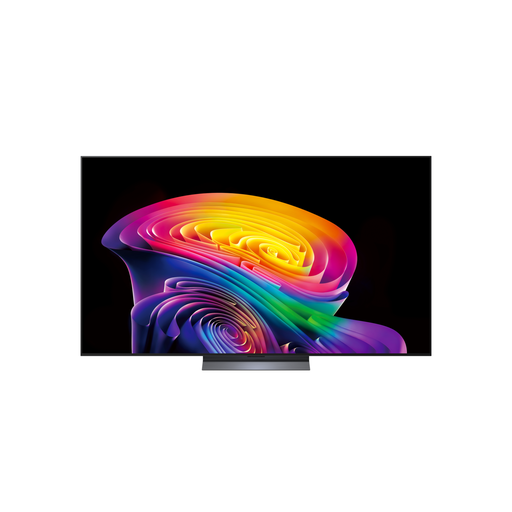
LG OLED42C68LA 42-inch 4K Ultra HD OLED Smart TV
A compact OLED option to compare for films and series with dark scenes.
42 inch; 4K; Dolby Vision and HDR10; HDMI 2.1; Dolby Atmos.
View at Joybuy
 No image available
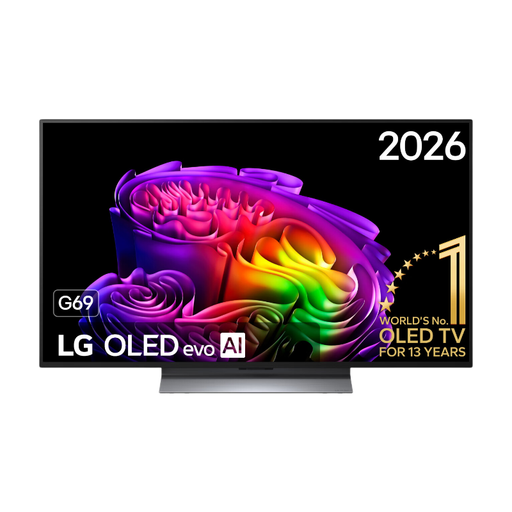
LG OLED48G69LS G6 48-inch OLED evo AI 4K Smart TV
An OLED model to compare with other screen types if contrast in dark scenes matters to you.
48 inch; 4K; Dolby Vision, HDR10 and HLG; 120Hz native; VRR up to 165Hz.
View at Joybuy
 No image available
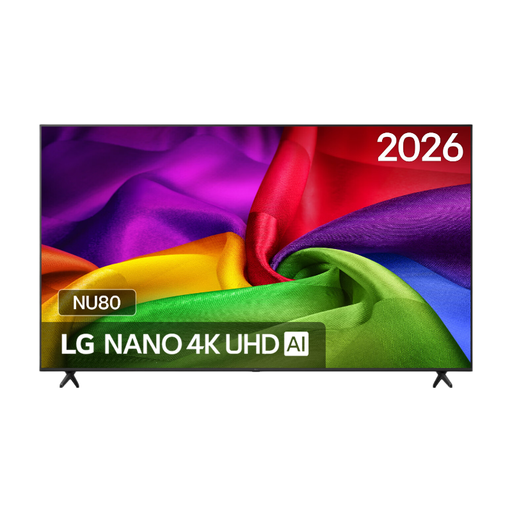
LG 65NU800B6LA 65-inch NANO 4K UHD AI Smart TV
An LCD option to compare if you’re not looking for an OLED screen; the product listing doesn’t include reflection test results for tall windows.
65 inch; 4K UHD; HDR10 and HLG; Filmmaker Mode.
View at Joybuy
 No image available
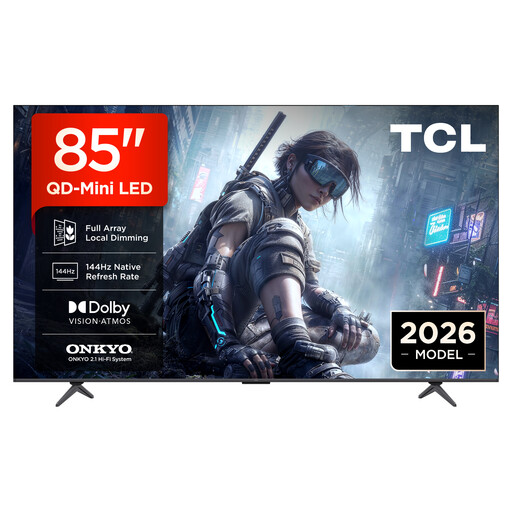
TCL T8D 85-inch 4K QD-Mini LED Smart TV
A mini LED option to compare if you’re considering a large screen and local dimming; the listed features don’t show how well the screen handles reflections from tall windows.
85 inch; 4K; 144Hz; VRR; HDMI 2.1; Google TV.
View at Joybuy
Frequently asked questions
Is mini LED always better than OLED opposite tall windows?
No. Compare both direct reflections and brightness for each model: a bright mini LED and an OLED with good reflection handling could both be suitable, depending on the position of your windows and how much you value dark scenes.
How can I assess the picture once the TV is in place?
Watch from your usual seat at the time you tend to watch programmes. The Consumentenbond recommends using a familiar scene with both light and dark areas when adjusting the picture; also check how it looks from other seats.
What information can help me compare energy use?
Compare the EU energy label for the exact screen size and version. The European Commission says the label provides information for both SDR and HDR, so don’t rely solely on details for a different screen size.
What are my rights when buying a TV online in the Netherlands?
According to ACM ConsuWijzer, for a standard online purchase you will generally have a statutory 14-day cooling-off period after delivery. The seller must also provide a remedy if a product is faulty; according to the Dutch government, there is no fixed statutory two-year guarantee period in the Netherlands.


