Don’t choose based only on panel type or maximum brightness: also compare how the specific screen handles reflections from your viewing position. The Consumentenbond highlights differences in viewing angles between TVs; according to RTINGS, brightness helps with ambient light, but reflection handling matters too.
Who should consider this?
Viewer with windows opposite the TV
Wants to watch the match during the day without distracting reflections from the windows, so compares reflection handling as well as brightness, not just screen technology. RTINGS discusses reflection handling alongside brightness.
Host with a wide seating arrangement
Wants guests sitting at the sides to follow the game clearly, and assesses the viewing angle from all the planned seats. The Consumentenbond highlights viewing angle as a factor to consider when comparing TVs.
Viewer sitting further away
Wants to follow the ball and the action from the sofa without choosing a screen size by guesswork. So, first measure the distance between the seating position and where the TV will go.
What should you look for when choosing?
LCD, possibly with mini LED
Choose this option if: you want to compare models with good brightness for a room with plenty of daylight.
Bear in mind: reflection handling and viewing angles vary between models; mini LED doesn’t guarantee that windows won’t be visible on screen.
OLED
Choose this option if: a wide seating arrangement and deep blacks matter to you as well as football.
Bear in mind: LCD and QLED TVs can often reach higher brightness levels; assess how the specific OLED model handles reflections from your windows.
In its own research, the Consumentenbond found that a viewing distance of around 2.4 times the screen’s diagonal is generally considered comfortable. Use this as a starting point, and measure from the seats at either end too.
| What to consider |
What should you look for? |
Who should pay particular attention? |
| Window reflections and daylight |
Compare reflection tests for the specific model and view the screen with light coming from the relevant direction. |
If there are tall windows opposite or beside the TV, I want to follow the match without reflections dominating the picture. Around 36% of consumers say reflections and visibility in daylight are their main concern. |
| Viewing angle for guests |
Work out where your guests will sit and assess the picture from the seats at either end, not just from directly in front of the TV. |
When guests are spread along a wide sofa, I want a clear view of the game from the side too. Around 29% of consumers prioritise viewing angles for guests. |
| Fast-moving sport |
Compare ratings for moving sports footage and check performance with the TV source you plan to use. |
For fast action and camera pans, I want to assess the picture itself rather than compare Hz figures alone. Around 21% of consumers give motion handling top priority. |
| Screen size and purchase decision |
Measure your viewing distance and compare the energy label details for the specific model via EPREL. |
I want a screen size that suits my viewing distance and to weigh the cost against the other factors. Around 14% of consumers start with screen size and the overall purchase decision. |
Common pitfalls
-
Comparing maximum brightness alone
If windows are reflected on the screen, reflection handling matters just as much as brightness.
Check a reflection test for the specific model and compare the screen with light coming from the relevant direction.
-
Assuming every seat gives you the same picture
Viewing angles vary between TVs, so the picture can look different from a seat at either end.
Assess the screen from the seats at the sides too.
-
Assuming a high Hz claim means better football viewing
The quoted refresh rate alone doesn’t tell you what moving images will look like.
Check the exact model and compare reviews of motion handling, rather than relying on the offer title alone.
Brands to compare
Sony
The BRAVIA 9 II range includes the 65-inch RGB LED TV K65XR95M2PB.CEI, an option to compare for a bright room. RTINGS reviewed the BRAVIA 9 II in the context of TVs for bright rooms; this was not a test of this specific Dutch model code.
- Sony lists the specific model as K65XR95M2PB.CEI.
- Compare reflections and whether the screen size suits your viewing position separately.
LG
The LG OLED65G55LW is a 65-inch G5 OLED model for anyone who also values OLED contrast and a wide seating arrangement.
- According to the Consumentenbond, OLED generally offers a wider viewing angle.
- LG’s comparison of brightness with conventional OLED TVs doesn’t prove that reflections from windows will disappear in your room. Assess the specific screen in your lighting conditions.
Philips
The Philips 65MLED910/12 combines QD mini LED with Ambilight, if ambient lighting also appeals to you.
- The specific model is described as a 65-inch QD mini LED TV with Ambilight.
- Panel technology and Ambilight don’t tell you on their own how the screen handles window reflections; compare this separately.
TCL
The TCL 65Q7C is a QD mini LED model to include when comparing screen technologies.
- The model name identifies the TV as a 65Q7C.
- Before choosing, check the specifications of the exact version, including its refresh rate.
Samsung
Samsung offers TV ranges with Glare Free coating; check whether it’s included on each model.
- Samsung lists specific OLED models, The Frame Pro and a Micro RGB model among the TVs with this coating.
- Samsung explains how the coating reduces reflections, but this feature isn’t automatically available on every Samsung TV or effective in every lighting situation.
TVs at Joybuy
These TVs include OLED, LCD and mini LED options to compare for watching football in daylight, with several different viewing positions.
 No image available
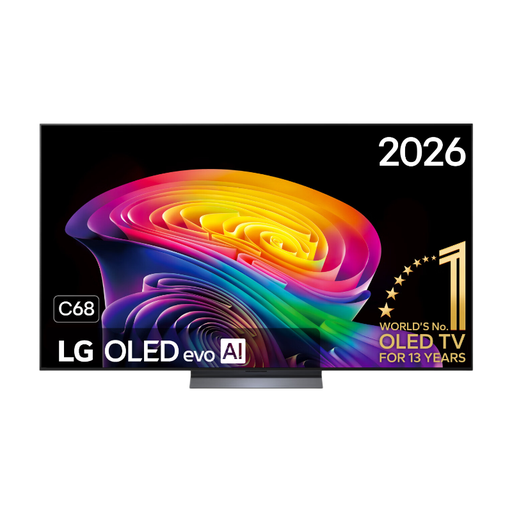
LG OLED65C68LA, 65-inch OLED evo C6 4K TV
An OLED option to compare if viewing angles matter too; assess reflections from the windows in your room.
The product name lists a native refresh rate of 120 Hz and VRR up to 165 Hz.
Joybuy
 No image available
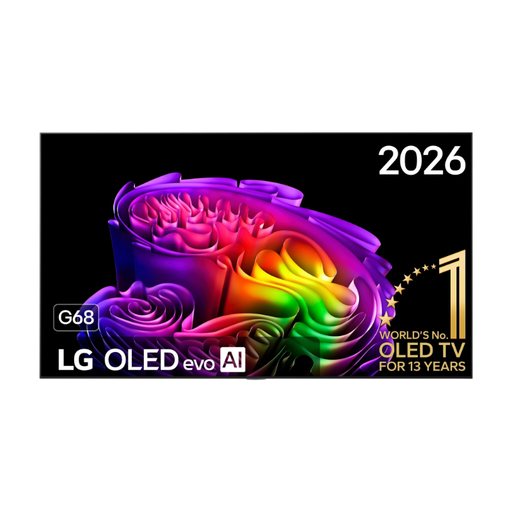
LG OLED55G68LW, 55-inch OLED evo G6 4K TV
An OLED model to compare if seats at the sides matter; also check how the screen handles light from your windows.
The product name lists 120 Hz and VRR up to 165 Hz.
Joybuy
 No image available
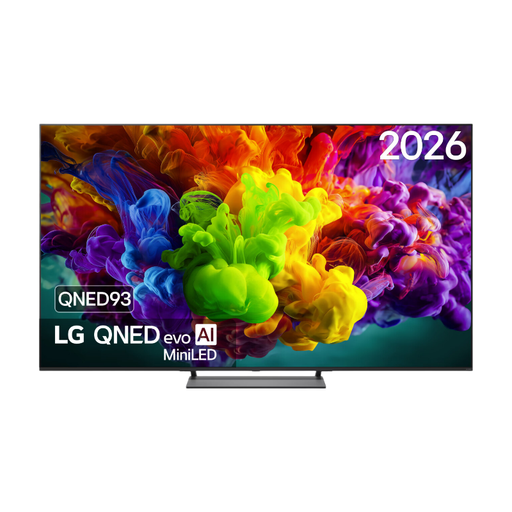
LG 65QNED93B6A, 65-inch QNED Mini LED 4K TV
An LCD and mini LED option to compare with OLED; the technology alone doesn’t tell you how window reflections will look from your viewing position.
The product name lists 120 Hz and VRR up to 144 Hz.
Joybuy
 No image available
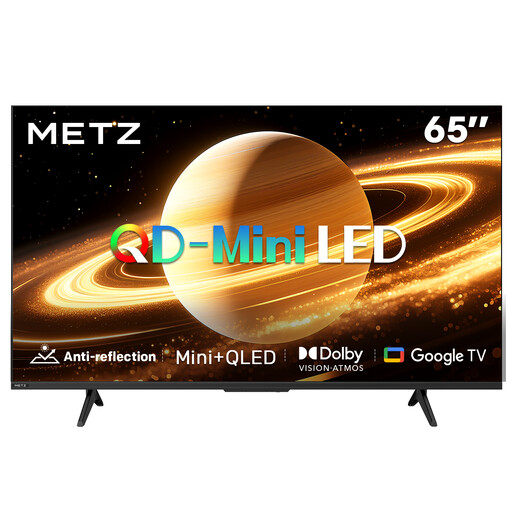
METZ 65MNH7000Z, 65-inch QD-MiniLED TV
A QD-MiniLED option to compare in daylight; the description of a matt screen doesn’t on its own tell you how the picture will perform with your windows.
The product name lists 60 Hz, Dolby Vision, Dolby Atmos and Google TV.
Joybuy
 No image available
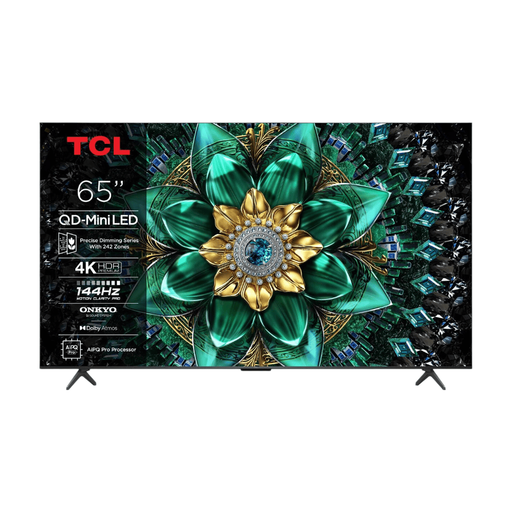
TCL 65Q6C, 65-inch QD-Mini LED 4K TV
An LCD and mini LED model to compare in daylight; consider brightness and reflection handling separately.
The product name lists 4K HDR, 1000 nits and energy class F.
Joybuy
Frequently asked questions
Should you automatically choose a mini LED TV for watching football during the day?
No. Compare reflection handling, brightness and viewing angles for the specific model in your lighting and seating conditions. The Consumentenbond highlights different strengths of LCD and OLED; neither technology is automatically better in every respect.
How should you set up your TV for a match in daylight?
The Consumentenbond recommends assessing the picture with the lighting you usually have at home. Adjust the backlight until the picture is comfortable to watch; changes like these can affect energy use.
Where can you check energy use and any additional costs?
Compare the energy label for the specific model in the European product database, EPREL. Before buying, ask separately about any delivery, installation or wall-mounting costs; these vary by model and seller.
What are your rights when buying a TV online from a business in the Netherlands?
For distance purchases, you generally have a 14-day cooling-off period in many cases, according to the Dutch government. You’re also entitled to a product that’s fit for purpose; the Netherlands doesn’t have one fixed statutory warranty period for every product. If there’s a fault, contact the seller.


