Who is this TV choice relevant to?

Daytime detective fan

You mostly watch TV in daylight in your living room and want to follow dark scenes without distracting reflections from windows or lamps. The Dutch Consumers' Association and RTINGS explain why reflections can be particularly noticeable in dark images.

Dark-scene viewer

You care most about realistic blacks and details just above black. The Dutch Consumers' Association discusses OLED black levels, while RTINGS explains the trade-offs between mini-LED and OLED.

Dialogue-focused series viewer

You want to follow conversations clearly, so you pay attention to TV sound, viewing distance and whether you might need external audio. The Dutch Consumers' Association offers advice on viewing distance and improving TV sound.

What should you look for in a TV for detective series?

Mini-LED LCD

A good fit if: you mostly watch during the day and brightness is a key consideration; also check reflections and dark scenes on the exact model.

Trade-off: bright details can create visible halos around them, and LCD does not automatically offer OLED's black levels or viewing angles.

OLED with good reflection handling

A good fit if: you also watch in dim lighting, deep blacks matter to you and the model you choose is bright enough for your room.

Trade-off: not all OLED models perform equally well in a very bright room; check for reflections from your usual viewing spot.

Entry-level LCD TV

A good fit if: the purchase price matters more than maximum contrast and you can assess dark images on the actual TV.

Trade-off: an LCD TV without effective backlight control may not produce deep blacks.

What to consider What should you check? Who should pay particular attention?
Reflections and daylight Watch a dark scene with light coming from the same direction as it does at home; look for reflections as well as brightness during a typical TV programme. If I watch during the day with windows or lamps in view, I want to follow dark scenes without distracting reflections. Around 36% of consumers prioritise visibility in daylight and reflection handling.
Details in dark scenes Watch dark images on the exact model, with subtitles, both in daylight and under your usual evening lighting. When watching a detective series, I want to make out faces and subtle details in the shadows, not just see a black screen. Around 29% of consumers give dark-image detail top priority.
Clear dialogue Listen to quiet conversations on the TV; check the connections only if you plan to use external audio. I want to follow conversations without constantly adjusting the volume, and to know whether the built-in audio is good enough. Around 21% of consumers prioritise clear dialogue.
Screen size and running costs Measure your viewing distance and the available width. For the same screen size, compare the SDR and HDR information on the EU energy label. I want a screen that suits the distance from my sofa and the space available, without overlooking electricity use or the possible cost of extra audio equipment. Around 14% of consumers give the greatest weight to screen size and overall running costs.

Buying mistakes to avoid

  • Comparing peak brightness claims alone

    A bright TV can still reflect windows or lamps, especially during dark scenes. RTINGS treats reflection handling as a separate consideration from brightness.

    Assess both brightness and reflections on the exact screen, in lighting conditions similar to those in your living room.

  • Assuming every OLED is unsuitable for daylight, or every mini-LED performs the same

    The technology name alone does not tell you how a particular model handles reflections, dark details and ambient light.

    Compare specific models and watch dark scenes in lighting conditions similar to those in your living room.

  • Overlooking the energy label or dialogue clarity

    The EU energy label also provides information about HDR playback. Picture settings can affect energy use, while dialogue clarity varies between TVs.

    Compare the label for the exact screen size and listen to the dialogue before deciding whether you need external audio.

    Electricity use contributes to running costs; a soundbar is an extra purchase only if the built-in sound is not good enough.

Brands to compare as a benchmark

Sony

The BRAVIA 9 II uses RGB LED technology and is worth considering if you want to assess dark scenes in a bright room.

  • RTINGS gave the BRAVIA 9 II a positive assessment for bright rooms.
  • Sony lists a 65-inch version for the Netherlands; a test name without the full regional code does not prove that every regional version is identical.

Samsung

The S95H is an OLED option where reflection handling is an important consideration.

  • Samsung advertises Glare Free for the S95H range.
  • This brand claim does not mean every setup will be free from reflections; assess the exact model and the light in your room.

LG

The OLED65G69LS is an OLED option for anyone weighing up black levels and screen performance in bright conditions.

  • For this model, LG lists Reflection Free Premium and higher peak brightness.
  • These are LG claims, not independent scores that can be directly compared with other brands.

TCL

The C8K range offers a QD mini-LED option, including a 65-inch model.

  • TCL lists local dimming and a CrystGlow WHVA panel for the C8K range.
  • The maximum zone and brightness claims on the range page cannot be attributed to the 65C8K model without checking it separately.

Philips

The 65MLED910/12 combines mini-LED with Ambilight.

  • The Philips product page confirms the technology and screen size.
  • The claimed picture quality in any lighting is a brand claim; assess reflections and shadow detail on the model, and decide whether Ambilight suits your setup.

Joybuy TVs to compare

This selection from Joybuy includes OLED TVs, a mini-LED TV and a Nano UHD TV. Compare the exact model with your room's lighting, viewing distance and need to see details in dark scenes.
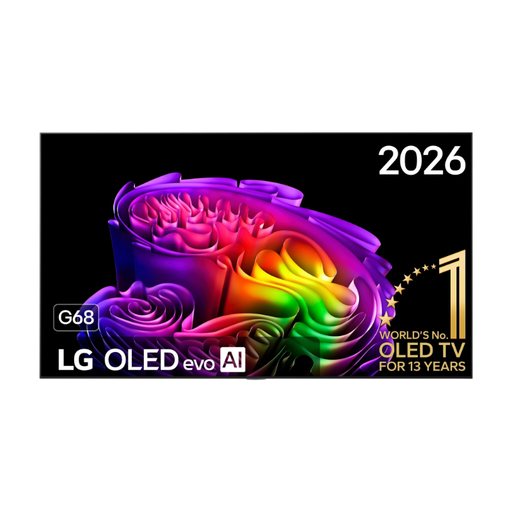
OLED77G68LW television

OLED77G68LW

An OLED model to compare if deep blacks matter to you; check for reflections from your usual viewing spot.

Type: OLED.

View at Joybuy
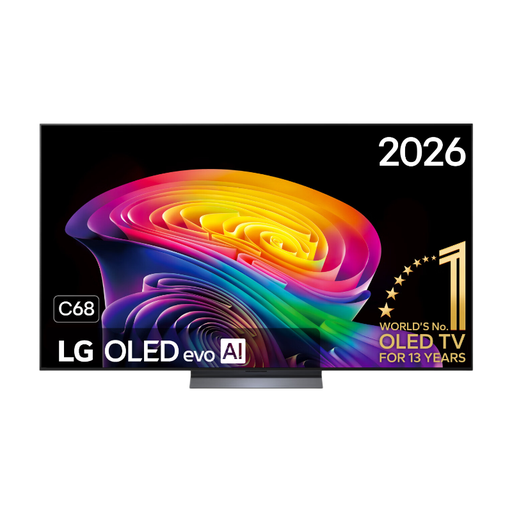
LG OLED65C68LA 65-inch OLED evo AI C6 4K Smart TV

LG OLED65C68LA 65-inch OLED evo AI C6 4K Smart TV

An OLED model for anyone who values dark scenes and deep blacks; also check how this specific TV handles reflections in daylight.

65 inches; OLED evo; 4K; 120 Hz; VRR up to 165 Hz.

View at Joybuy
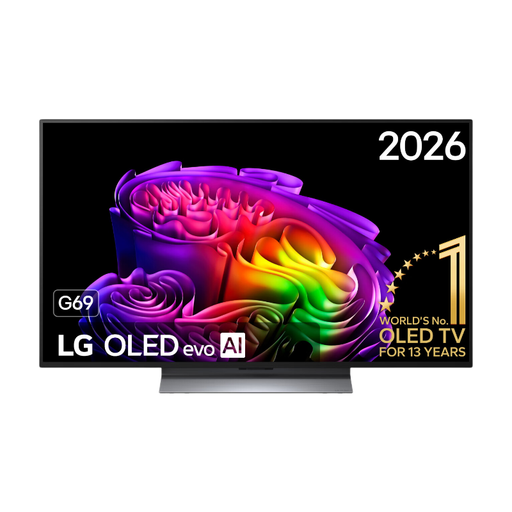
LG OLED48G69LS 48-inch OLED evo AI G6 4K Smart TV

LG OLED48G69LS 48-inch OLED evo AI G6 4K Smart TV

An OLED model to compare if black levels in dark scenes matter to you; check for reflections from your usual viewing spot.

48 inches; OLED evo; 4K; 120 Hz native; VRR 165 Hz.

View at Joybuy
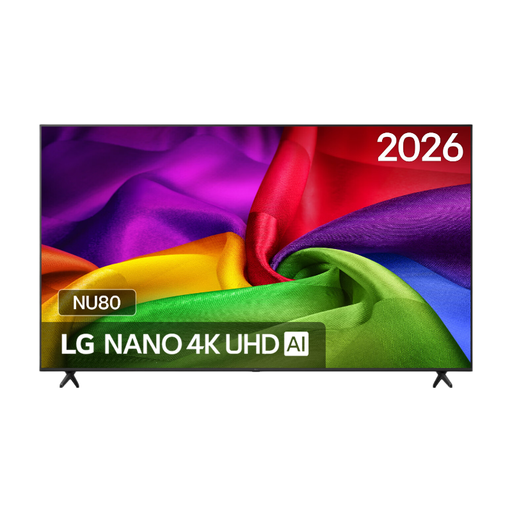
LG 43NU800B6LC 43-inch Nano UHD 4K Smart TV

LG 43NU800B6LC 43-inch Nano UHD 4K Smart TV

A 43-inch 4K model to compare if you want a smaller screen; match the size to your viewing distance and check for reflections in your room.

43 inches; Nano UHD; 4K.

View at Joybuy
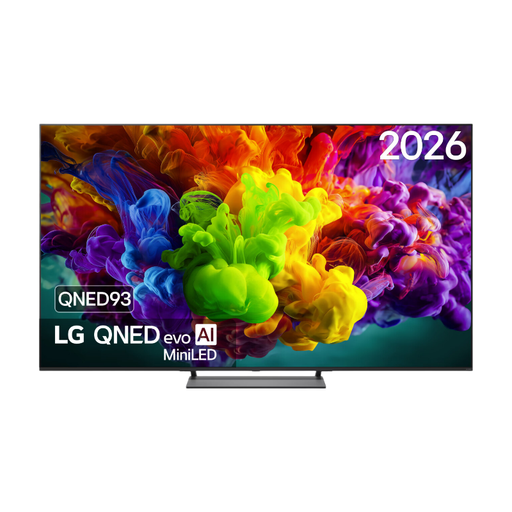
LG 65QNED93B6A 65-inch QNED Evo AI Mini LED 4K Smart TV

LG 65QNED93B6A 65-inch QNED Evo AI Mini LED 4K Smart TV

A mini-LED model to compare if you watch during the day and brightness matters; also check reflections and detail in dark scenes.

65 inches; Mini LED; 4K.

View at Joybuy

Frequently asked questions

How can you check at home whether dark scenes remain easy to see?

Use your usual living room lighting and a familiar scene with both dark and bright areas. The Dutch Consumers' Association recommends using the lighting you normally have on; adjust the picture so dark details remain visible without making bright areas unnecessarily intense.

How do you choose a TV size if your sofa is already in place?

Measure the distance from your sofa to the TV position and use around 2.4 times the screen diagonal as a rough starting point. The Dutch Consumers' Association describes this viewing distance as a preference, not a requirement.

Do you need a soundbar for detective series?

Not necessarily: start by listening to dialogue on the TV you are considering. According to the Dutch Consumers' Association, a soundbar can improve the sound, but smaller models do not always sound convincing.

What warranty applies to a TV bought in the Netherlands?

There is no fixed statutory warranty period in the Netherlands; the Dutch government says you are entitled to a product that meets reasonable expectations. If something is faulty, the seller must provide a solution. A manufacturer's warranty or an extended warranty does not replace this statutory right.

What happens to my old TV, and where can I find energy information?

When you buy a similar new TV, the shop must take back your old one under the old-for-new scheme. The European Commission says the EU energy label also shows efficiency information for HDR playback; further details about the model are available through the QR code in EPREL.
