What should you look for when choosing?
OLED
A good fit if: you often watch in a darkened room and deep blacks or a wide viewing angle are important to you.
Also consider: brightness and reflections in your own room. Image retention is worth bearing in mind if the picture stays almost unchanged for long periods; an older Consumentenbond test can’t predict the risk for a current model.
Mini-LED/LCD
A good fit if: your home cinema gets a lot of ambient light and you want to compare a bright LCD TV with OLED.
Also consider: black levels, possible halos around bright areas, viewing angle and reflections vary by model. The quoted panel frequency alone doesn’t tell you how irregular motion will look.
Entry-level LCD/LED
A good fit if: getting the right screen size and keeping the purchase cost down matter more than the deepest blacks.
Also consider: assess the motion handling and contrast of the specific TV. ‘LED’ is a type of LCD backlighting; when comparing larger screens, also check energy use per 1,000 hours.
Compare motion handling using similar video footage, then consider the room, seating and screen size that suit your home cinema.
| What to consider |
What to look for when buying |
Who is this important to? |
| Fast motion |
Compare moving images on the specific model and assess the picture processing using the settings you want to use. |
If I want to follow fast steps and camera pans clearly, I’ll focus on how the TV handles irregular motion. Around 33% of consumers prioritise motion. |
| Contrast and viewing angle |
Check black levels from your own seating positions; don’t compare picture technologies without considering the specific model. |
For a darkened room, I want deep blacks and a comfortable picture from more than one seat. Around 27% of consumers prioritise contrast and viewing angle. |
| Visibility in daylight |
Assess brightness and reflections in lighting conditions similar to those in your own room. |
If I also watch during the day, I want to see the dancers and stage details clearly in ambient light. Around 20% of consumers prioritise daytime visibility. |
| Screen size and energy use |
Measure your viewing distance and the space available for the TV and stand; compare the energy labels of models that fit. |
I want a screen that suits my viewing distance and will also take its energy use into account. Around 20% of consumers prioritise screen size and running costs. |
Consumentenbond suggests around 2.4 times the screen diagonal as a starting point for a comfortable viewing distance, not a hard-and-fast rule. Measure from your eyes to the intended screen position, and check the overall dimensions including the stand. The energy label helps you compare energy use per 1,000 hours between suitable models.
TVs at Joybuy
This selection includes OLED and mini-LED/LCD TVs to compare for watching dance competitions in a home cinema. Choose based on your room, viewing distance, ambient light and the motion handling of the specific model.
 No image available
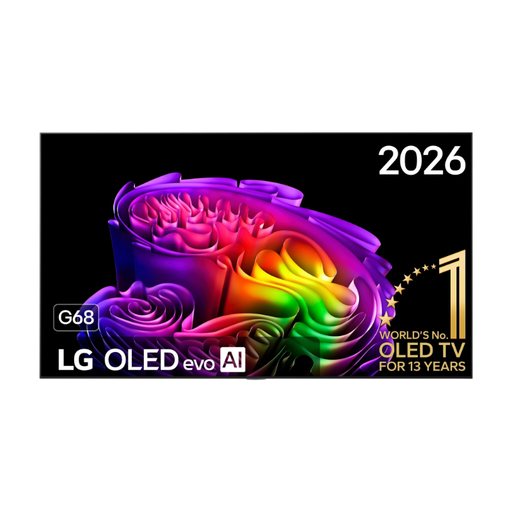
OLED77G68LW
An OLED option to consider if contrast matters in a darkened home cinema.
OLED.
Image retention is worth bearing in mind if the picture stays almost unchanged for long periods, such as when a fixed scoreboard is displayed; an older test doesn’t establish the risk for this model.
View at Joybuy
 No image available
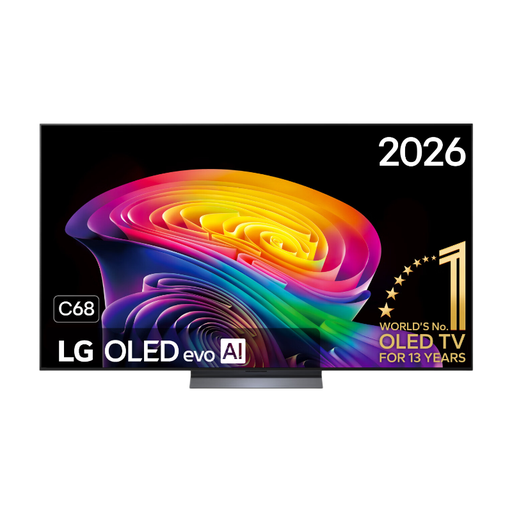
LG OLED65C68LA 65-inch OLED evo AI C6 4K Smart TV
A 65-inch OLED option to compare if this size suits your viewing distance and available space.
65 inches; 4K; OLED evo; Dolby Vision; Dolby Atmos.
Image retention is worth bearing in mind if the picture stays almost unchanged for long periods, such as when a fixed scoreboard is displayed; an older test doesn’t establish the risk for this model.
View at Joybuy
No image available
LG OLED55C68LA 55-inch OLED evo AI C6 4K Smart TV
A 55-inch OLED option to compare if this screen size suits your viewing distance.
55 inches; 4K; OLED evo; Dolby Vision; Dolby Atmos.
Image retention is worth bearing in mind if the picture stays almost unchanged for long periods, such as when a fixed scoreboard is displayed; an older test doesn’t establish the risk for this model.
View at Joybuy
 No image available
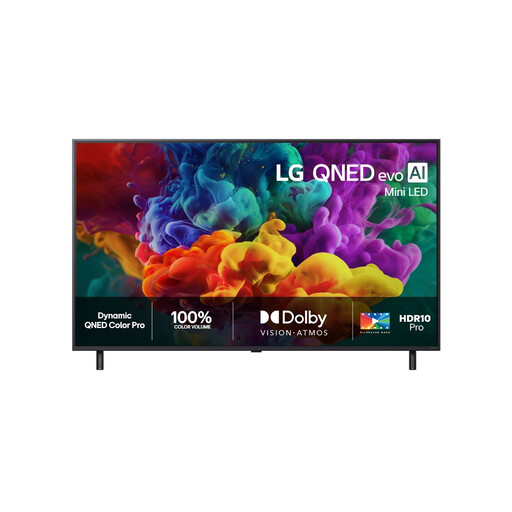
LG QNED85B6B QNED Evo Mini LED 4K Smart TV
A mini-LED/LCD option to compare if you want to consider an alternative to OLED for your home cinema.
QNED Mini LED; 4K.
View at Joybuy
 No image available
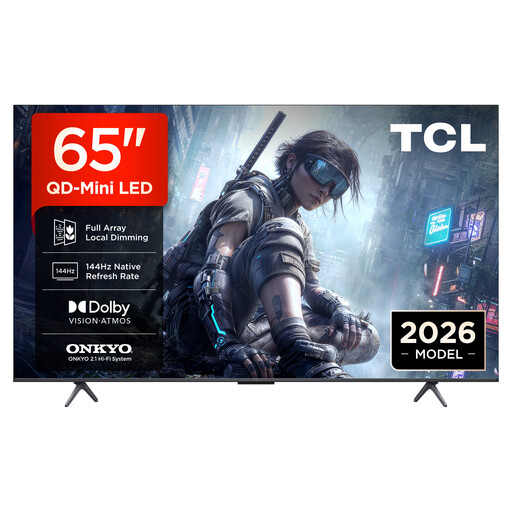
TCL 65T8D 65-inch QLED TV with QD Mini LED dimming
A 65-inch QD Mini LED option to compare with OLED if this size suits your viewing distance and room.
65 inches; 4K; QLED with QD Mini LED dimming.
View at Joybuy
Frequently asked questions
Does 120 or 144 Hz automatically mean fast dance moves will look sharp?
No, a quoted frequency doesn’t guarantee that. Consumentenbond explains that motion interpolation can cause errors with fast, irregular movements. So compare the motion handling of the specific TV using similar video footage.
How do you choose the right screen size for your seating position?
Measure from your eyes to where the TV will go, and use around 2.4 times the screen diagonal as a starting point, not a fixed rule. Consumentenbond also recommends looking at neighbouring sizes; check the TV’s dimensions, including the stand, too.
Is a dance broadcast automatically in 4K if your TV supports 4K?
No, the screen’s resolution doesn’t determine the resolution of the broadcast. Check the format of the specific channel or stream before counting on 4K content.
Do you need to consider image retention with OLED?
A picture that stays almost unchanged for a long time is worth bearing in mind, but an older Consumentenbond test doesn’t give a risk percentage for current models. Check the instructions for the specific TV, especially if you often leave a fixed logo or scoreboard on screen for a long time.
How do you compare the energy use of TVs?
Compare energy use per 1,000 hours on the energy labels of models that suit your viewing distance. The European Commission explains the energy label for electronic displays; Milieu Centraal recommends including energy use per 1,000 hours in your comparison.


