What should you consider for a dance night?
OLED TV
When: if you usually watch in dim lighting and value contrast.
Trade-off: OLED pixels emit their own light, but the screen type alone does not tell you how a model handles movement, reflections or sound.
LCD TV, possibly with mini-LED
When: if you’ll have the lights on during the gathering or want to compare different screen sizes.
Trade-off: viewing angles and reflections vary by model; the QLED or mini-LED label alone won’t predict these characteristics.
The Consumentenbond considers factors including viewing angles and reflections in its TV assessments. Also compare the motion handling and sound of the model you’re considering.
| What to consider |
What to look for |
Who should pay particular attention? |
| Viewing angle |
Check viewing-angle measurements for the specific model and view the screen from the seats at either end. |
If I have guests on either side of the sofa, I want to know whether they’ll be able to follow the picture clearly. Around 29% of consumers would consider viewing angle their main concern when choosing. |
| Fast movement |
Look for a picture test of the exact model; don’t treat its stated refresh rate as a substitute for one. |
For anyone who wants to follow the choreography clearly, the actual motion handling is crucial. Around 23% of consumers would choose motion as their main consideration. |
| Evening light and reflections |
Compare contrast and reflections under the lighting conditions and viewing angle you use at home. |
If the lights will stay on during the gathering, I want to know how the screen performs in those conditions. Around 18% of consumers would focus mainly on picture quality in changing evening light. |
| Sound |
Compare listening tests for the specific model and check for HDMI-ARC on both the TV and soundbar if you want to connect one. |
If you want to hear both the music and spoken sections clearly, don’t focus on the picture alone. Around 18% of consumers would consider sound their main concern when choosing. |
| Size and budget |
Measure the viewing distance and available space; also allow for any sound equipment or mounting. |
If the TV needs to fit the room and my budget, I compare screen sizes and the complete set-up. Around 12% of consumers would prioritise size and budget. |
Joybuy TVs for your viewing party
This selection includes OLED, QLED and Mini-LED TVs. Focus on comparing the size and model features with your seating, lighting and sound requirements.
 No image available
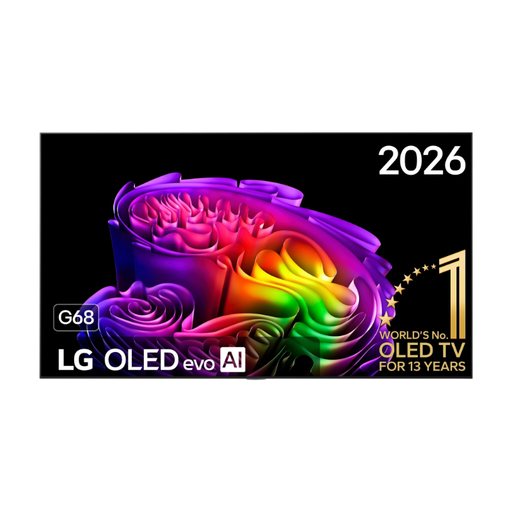
OLED77G68LW
With its 77-inch OLED screen, this model is worth considering if you’re looking for a larger picture for a group and want to compare OLED options.
77 inches, OLED and 4K.
View at Joybuy
 No image available
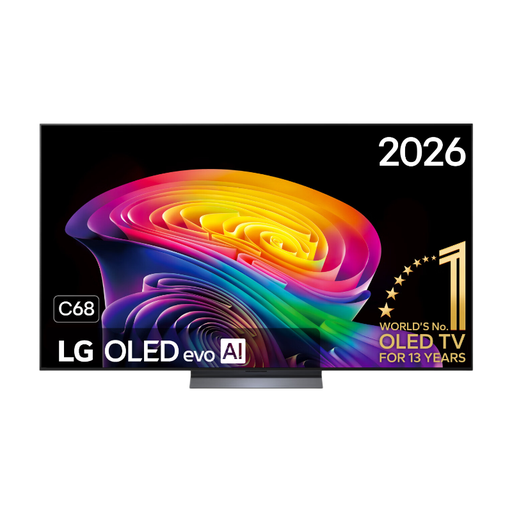
LG OLED65C68LA
This 65-inch OLED model is an option to compare if you’re looking for a mid-sized OLED screen for the evening.
65 inches, OLED, 4K and 120Hz native; VRR up to 165Hz. A refresh rate isn’t an independent test of motion handling.
View at Joybuy
 No image available
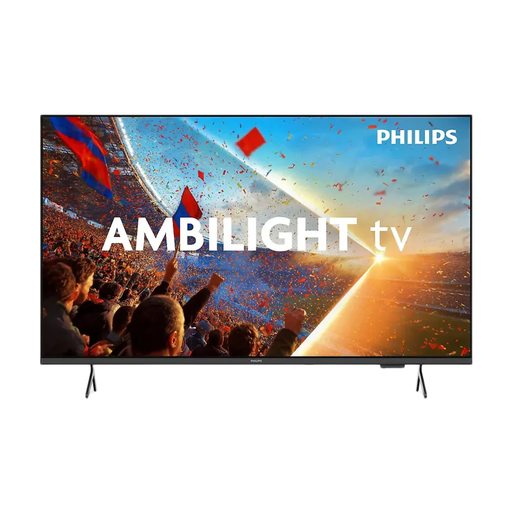
Philips 55PUS8001
The 55-inch screen may suit you if you’re looking for a more compact TV and want to compare a 4K model with larger options.
55 inches and 4K.
View at Joybuy
 No image available
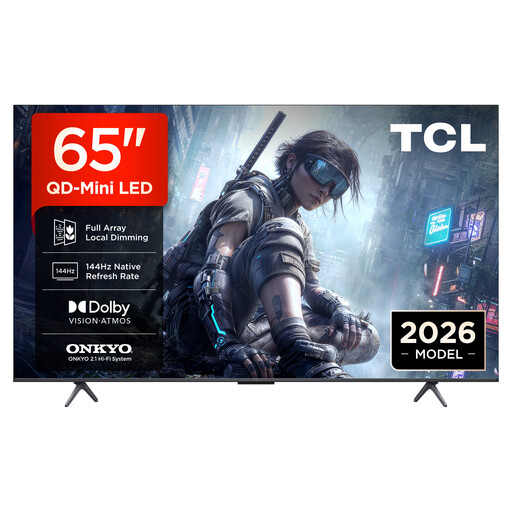
TCL 65T8D
This 65-inch model is a larger QLED and Mini-LED option to compare with OLED; check its viewing angle and reflections for your set-up.
65 inches, 4K, QLED and QD-Mini LED; native 144Hz VRR. The refresh rate isn’t a substitute for a picture test of fast movement.
View at Joybuy
 No image available
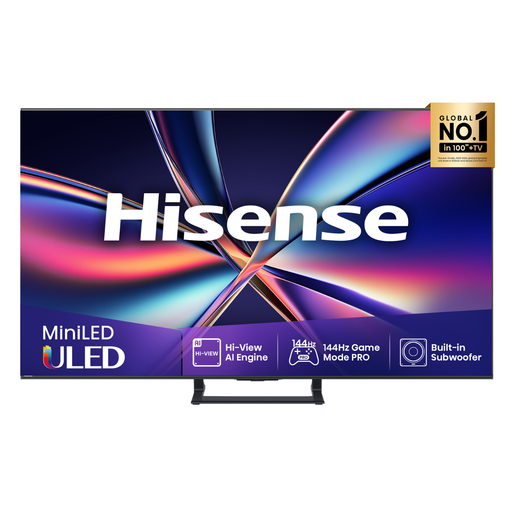
Hisense 75E8Q
This 75-inch Mini-LED model is an option to compare if you want a large screen for several viewing positions; check the viewing angle of this specific TV.
75 inches, 4K, Mini-LED and 144Hz.
View at Joybuy
Frequently asked questions
How do you choose a screen size to suit your seating?
Measure from your eyes to where you plan to position the screen, then compare nearby sizes. Based on its own research, the Consumentenbond suggests a comfortable viewing distance of around 2.4 times the screen diagonal; use this as a guide, not a fixed rule.
How do you connect a soundbar so you can control the sound with the TV remote?
Check that both the TV and the soundbar support HDMI-ARC. According to the Consumentenbond, this connection can transmit sound and allow you to control it using the TV remote.
Does a two-year manufacturer’s warranty mean your rights end after that?
No. According to ACM ConsuWijzer, the Dutch statutory guarantee applies separately from a seller’s or manufacturer’s warranty. If a product breaks down too soon under normal use, the seller may have to provide a solution free of charge; what you could reasonably expect from the product is taken into account.
Do you have a cooling-off period when you buy a TV online?
According to ACM ConsuWijzer, online consumer purchases generally come with a statutory cooling-off period that ends 14 days after delivery. Check the applicable exceptions and the returns terms for your specific purchase.
What energy information can you compare when choosing a TV?
For electronic displays covered by the applicable EU rules, the European Commission describes an energy label that includes an A-to-G rating, energy consumption for SDR and HDR, resolution and screen diagonal. Compare consumption figures on the same stated basis.


