
Viewers on a wide sofa
You watch cycling with others and want the picture to remain clear and usable for those sitting at either end of the sofa.


Choose a TV based on the picture from the seats at either end of your sofa. If you have a wide sofa, viewing angle matters more than a high quoted refresh rate alone. Then compare how the exact model handles reflections in daylight and motion in tests. With a narrower seating arrangement or a swivel-mounted TV, contrast and energy consumption may matter more.
You watch cycling with others and want the picture to remain clear and usable for those sitting at either end of the sofa.
You watch during the day and want to minimise glare and washed-out colours from where you sit.
You’re looking for a screen size that suits your needs without overlooking picture quality from the side of the sofa or energy consumption.
| What to consider | What should you check? | Who should pay particular attention? |
|---|---|---|
| Viewing angle from the seats at either end of the sofa | Assess the picture from the seat furthest to the side and look for viewing-angle measurements for the exact model. For LCD TVs, the panel type can offer a clue: RTINGS generally describes IPS panels as having a wider viewing angle than VA panels. | When I watch with others, I want the picture to remain clear and usable from the side. Around 36% of consumers say viewing angle is their top priority. |
| Reflections and picture quality in daylight | Check independent reflection tests for the specific model and consider where windows and lamps are in relation to your viewing position. | During the day, I want to follow the race without reflections getting in the way. Around 29% of consumers prioritise visibility in daylight. |
| Clarity in fast-moving sports scenes | As well as the quoted refresh rate, look for tests of pixel response time and motion artefacts for the exact model. RTINGS notes that a slow response time can cause blur or ghosting, among other issues. | When the race gets fast, I want to follow the action clearly, rather than relying only on a high quoted refresh rate. Around 21% of consumers say motion handling is their top priority. |
| Screen size and energy consumption | Compare energy consumption per 1,000 hours on the energy label and assess the screen size in relation to where you sit in the room. | I want a screen size that suits my room, and I also keep an eye on energy use during everyday viewing. Around 14% of consumers prioritise cost and energy consumption. |
A picture that looks good from the centre may look different from the seats at either end of the sofa.
Assess the TV from where you’ll actually be sitting and look for independent viewing-angle measurements for the exact model.
RTINGS generally describes a trade-off between the wider viewing angle of IPS and the higher contrast of VA. The Mini LED label alone doesn’t tell you what the picture will look like from your seat at the side.
Check the panel type of the exact version and look for viewing-angle measurements for the model you’re considering.
Statutory protection in the Netherlands is separate from a paid extension. According to the Dutch government, there is no fixed statutory warranty period of two years; your rights depend on what you can reasonably expect from the product.
Before paying for extra cover, compare its terms with your existing statutory rights.
Samsung’s Dutch S95H OLED range is worth considering when researching viewing angles and reflections.
The OLED evo C6 range, including the OLED65C68LA, is an OLED option to compare with other models.
The OLED910/12 combines an OLED screen with Ambilight, making it a specific model worth comparing.
The BRAVIA 8 II is a QD-OLED range to consider alongside other TV options.
The C8K is a Mini LED option that brings LCD models into the comparison too.
This selection includes OLED and QLED TVs in a range of screen sizes. Check the viewing angle and reflections of each exact model from where you sit; the panel label alone won’t answer those questions.
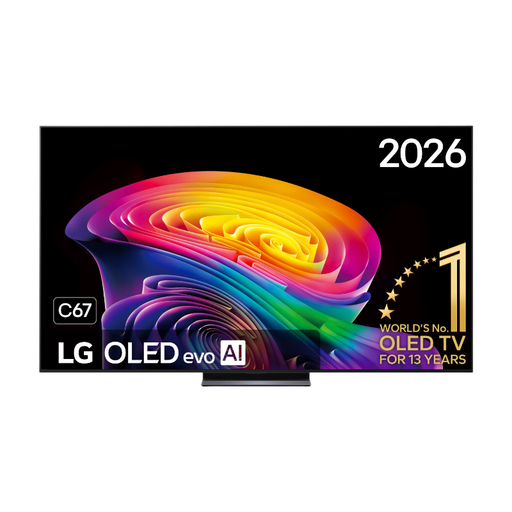 No image available
An OLED option to consider if you’re looking at a large screen; check the viewing angle of this exact version from the side of the sofa.
The product name lists 4K and an 83-inch screen.
Listed features: native 120 Hz and VRR up to 165 Hz.
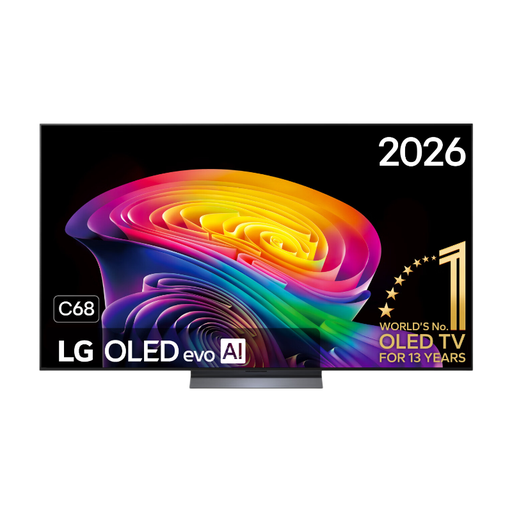 No image available
An OLED option to compare with other models if you’re looking for a TV for a wide seating arrangement; check the viewing angle and reflections on this version.
The product name lists 4K and a 65-inch screen.
Listed features: native 120 Hz and VRR up to 165 Hz.
No image available
An OLED option with a smaller screen than the 65-inch version; assess this model from your own seating positions too.
The product name lists 4K and a 55-inch screen.
Listed features: native 120 Hz and VRR up to 165 Hz.
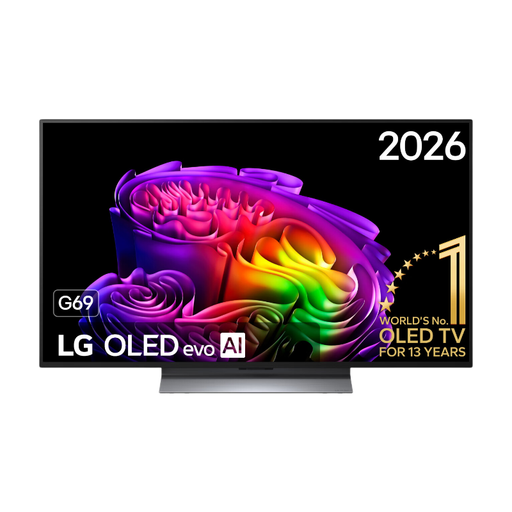 No image available
An OLED option with a 48-inch screen; check that the size and viewing angle suit the distance and seating positions in your room.
The product name lists 4K and a 48-inch screen.
Listed features: native 120 Hz and VRR 165 Hz.
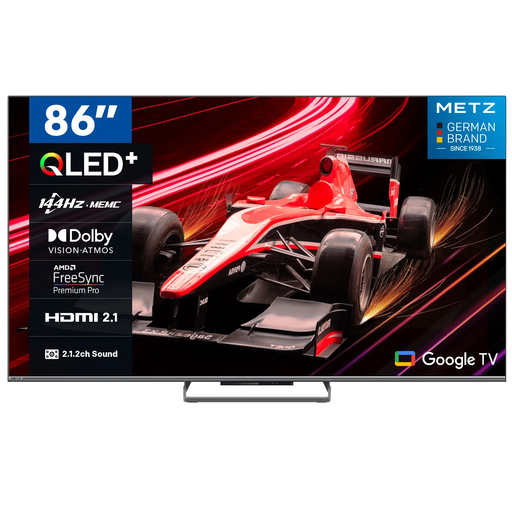 No image available
A QLED TV with a large screen to compare with other options; check the viewing angle of this version before choosing it for a wide sofa.
The product name lists 4K, HDR10+ and an 86-inch screen.
Listed features: 144 Hz and HDMI 2.1.
Compare viewing-angle measurements for the exact model and assess the picture from the seat furthest to the side. A review from directly in front of the screen won’t tell you what the picture looks like from the side.
Not necessarily. Also check tests of pixel response time and motion artefacts for the exact model; a slow response time can cause smearing or ghosting in fast-moving sports scenes, among other issues.
Before mounting the TV, assess the seats at either end of the sofa and check for reflections from windows and lamps. If the TV can swivel, see whether you can angle it towards your usual viewing positions. To compare energy consumption, check the energy label and usage per 1,000 hours.
Statutory protection means you’re entitled to a product that works as it should; there is no fixed statutory warranty period of two years. For applicable distance purchases, the Dutch government says you’ll often have a 14-day cooling-off period. Check the terms and any exceptions that apply to your purchase.
Compare energy consumption per 1,000 hours on the energy label and check the details for the exact version. The European Commission manages EPREL, the European product database for the energy and environmental performance of products that require an energy label.