
Cycling fans who want to follow the action
You want to keep track of the riders and camera movements. So, assess the model’s motion handling and look beyond the refresh rate alone.


When choosing a TV for watching cycling in a dark room, first look at motion handling and contrast in low ambient light. Then choose a screen size that suits your viewing distance and seating. OLED may be a good fit if deep blacks and a wide viewing angle are priorities, while mini-LED LCD is an alternative if the room isn’t always dark or you often display static picture elements for long periods. A high refresh rate alone doesn’t prove that cycling coverage will look smooth or sharp; the Consumers’ Association recommends assessing sports picture quality and image processing too.
You want to keep track of the riders and camera movements. So, assess the model’s motion handling and look beyond the refresh rate alone.
You mainly watch in low light and care about black levels, detail in dark scenes and a picture setting that feels comfortable at home.
You watch with other people or from a fixed sofa. Viewing distance, screen size and visibility from different seats can help you decide which TV is right for you.
A good fit if: you usually watch in the dark and care about deep blacks or a wide viewing angle.
Also consider: if the same logo or scoreboard stays on screen for a long time, image retention may be worth considering. The Consumers’ Association test mentioned here, which used older TVs, doesn’t predict the risk for a new model.
A good fit if: the room isn’t always dark or you want to compare an alternative to OLED.
Also consider: LCD uses a backlight, which can make blacks look less deep in dark scenes. Compare the uniformity and motion handling of the specific model too.
| What to consider | What to look for when buying | Who should pay particular attention? |
|---|---|---|
| Motion handling | Compare the model’s sports picture quality; panel refresh rate alone isn’t a sports test. The Consumers’ Association points out that image processing matters too. | If I want to keep track of the peloton and fast camera movements, I look at how the picture actually appears. Around 36% of consumers put motion handling at the top of their list. |
| Contrast in the dark | Compare dark scenes in the lighting conditions you use at home, and adjust the brightness and contrast accordingly. | If I mainly watch in the evening, I want to see details in dark scenes without the picture being uncomfortably bright. Around 29% of consumers prioritise contrast and viewing comfort in the dark. |
| Screen size and seating | Measure your viewing distance and check that people in the seats at either end can see the picture clearly too. The Consumers’ Association cites around 2.4 times the screen diagonal as its preferred distance based on its own research, not as a fixed rule. | If I watch with others, I want a screen size and viewing angle that suit our sofa and seating positions. Around 21% of consumers prioritise screen size and visibility from their seats. |
| Energy use and connection | Compare the energy label in kWh per 1,000 hours; the European Commission describes this unit for screen energy use. Also check that the tuner or CI+ solution is compatible with your provider and subscription. | If I use the TV often, I want to know in advance how to compare energy use and whether my TV connection will work. Around 14% of consumers put running costs and practical connections first. |
Panel refresh rate isn’t the only factor affecting motion handling. Image processing and the broadcast itself also play a part.
Compare reviews of the specific model and, if possible, watch sports footage from a similar source.
Static elements that remain on screen for a long time can lead to image retention on OLED, so it’s worth bearing this in mind. The Consumers’ Association test using older TVs doesn’t predict the risk for a new model.
Vary the content if fixed logos stay on screen for a long time, and check the information for the specific model.
An LCD backlight can affect black levels and uniformity in dark scenes; the term mini-LED alone doesn’t tell you how a particular TV performs.
Compare models in low light and weigh the picture quality against how often you watch during the day.
A manufacturer’s or retailer’s warranty doesn’t replace your statutory rights with the retailer. ACM ConsuWijzer explains that there is no fixed end date for the statutory guarantee in the Netherlands.
Check any additional cover separately, and discuss any fault the retailer is responsible for with them.
The Dutch OLED55C68LA from the C6 range is a specific OLED model to compare for a dark viewing room.
According to Samsung, the Dutch QE55S95HFTXXN combines OLED with an anti-reflection finish. RTINGS included the S95H in a sports recommendation, but that selection isn’t specifically for a dark room in the Netherlands.
The Dutch K-55XR8M2 BRAVIA 8 II is a QD-OLED model to compare if you’re also considering image processing and connections.
The Dutch 55OLED761/12 combines OLED with Ambilight, which is worth considering if you’re also thinking about lighting around the screen.
The Dutch 55C6K is a QD mini-LED LCD model to compare with OLED.
This Joybuy selection includes OLED TVs in a range of screen sizes, so you can choose one to suit your viewing distance and consider OLED for watching in a dark room.
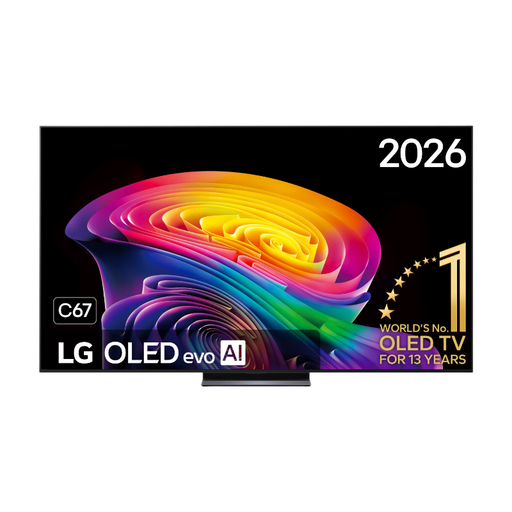 No image available
The 83-inch OLED version may suit a spacious viewing area; measure your viewing distance before choosing this screen size.
4K resolution and a native 120 Hz panel. The refresh rate alone doesn’t guarantee smooth sports playback.
Image retention may be worth considering if static images remain on screen for a long time; this doesn’t predict a risk for this specific model.
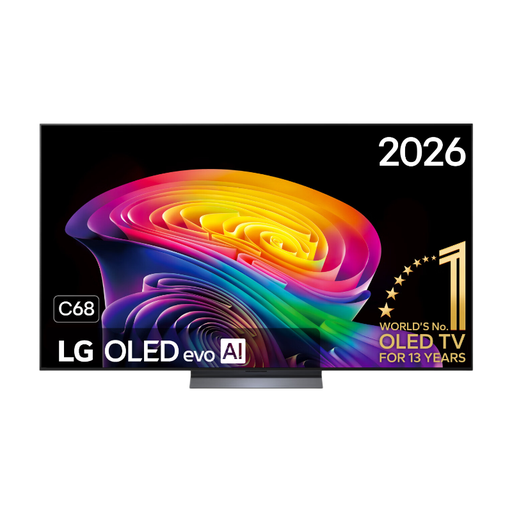 No image available
This 65-inch OLED TV is worth comparing if its screen size and black levels suit your viewing area.
4K resolution and a native 120 Hz panel; assess the model’s motion handling rather than judging it by the refresh rate alone.
Image retention may be worth considering if static images remain on screen for a long time; this doesn’t predict a risk for this specific model.
No image available
The 55-inch screen size is an option to consider based on your viewing distance; this OLED model may suit you if you care about black levels in a dark room.
4K resolution and a native 120 Hz panel. The panel refresh rate alone doesn’t prove how well it performs with sport.
Image retention may be worth considering if static images remain on screen for a long time; this doesn’t predict a risk for this specific model.
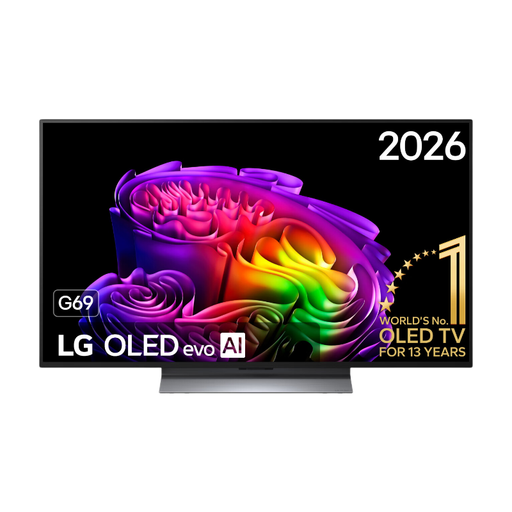 No image available
This 48-inch OLED TV may suit you if you’re looking for a smaller screen to match your viewing distance and want to compare OLED performance in dark scenes.
4K resolution and a native 120 Hz panel; assess fast-moving sports footage separately from the stated refresh rate.
Image retention may be worth considering if static images remain on screen for a long time; this doesn’t predict a risk for this specific model.
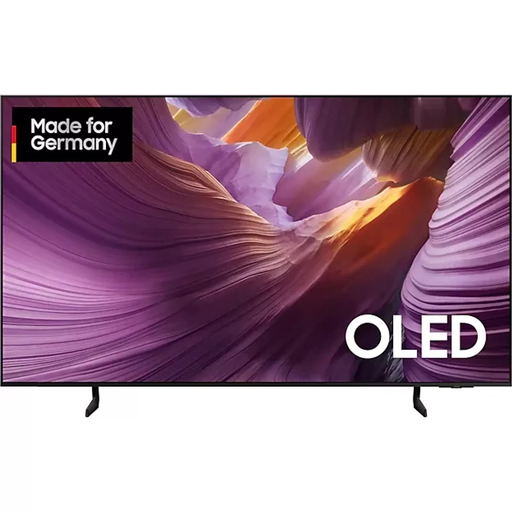 No image available
This 55-inch OLED TV is worth comparing if you’re looking for a 4K screen for a dark viewing room.
This product is described as a 55-inch 4K OLED TV. Choose a size that suits your viewing distance and seating.
Compare the motion handling of this specific model; OLED technology or screen resolution alone doesn’t tell you how cycling footage will look.
No. A higher panel refresh rate can make smoother pictures possible, but you should also assess the image processing and the broadcast itself. The Consumers’ Association makes clear that a specification alone isn’t a sports test.
Start with the lighting you usually have at home, rather than the bright shop setting. Adjust the brightness and contrast so that both light and dark details remain visible; the Consumers’ Association recommends using your usual room conditions as a starting point.
That depends on your provider and subscription. A built-in tuner can sometimes replace a separate receiver, but some channels may require a smart card and CI+ module.
Compare the energy label in kWh per 1,000 hours for TVs in the screen size you want. To calculate your own energy use, you’ll also need your viewing time and electricity tariff.
No. According to ACM ConsuWijzer, there is no fixed end date for the statutory guarantee in the Netherlands; it depends on what you could reasonably expect from the product under normal use. If there’s a fault the retailer is responsible for, they’re the person to contact. A manufacturer’s warranty doesn’t replace this right.