Start by looking at the position of your windows and seating: changing the layout or reducing direct daylight on the screen may matter more than simply choosing a brighter TV. If your room gets a lot of daylight, especially if you watch from directly in front of the TV, an LCD or mini-LED model is a sensible choice. If you also watch from different angles or in dimmer light, OLED is worth considering. In either case, check how reflective the specific screen is in your own viewing space.
Who is this advice for?
Daytime viewer facing high windows
You often watch garden programmes, and windows may be reflected in the screen. So, assess the screen position and reflections before weighing up other picture features. Milieu Centraal recommends choosing a spot where the screen is not exposed to too much daylight.
Viewer in changing daylight
You want to make out details in both bright and dark scenes, so you compare brightness and contrast where you usually watch. The Consumentenbond notes that LCD TVs can often produce plenty of light, which can be useful in a bright room.
Viewer from several seats
You pay attention to how the picture looks from seats beside the TV, and to choosing a screen size that suits your viewing distance. According to the Consumentenbond, OLED TVs generally offer a wider viewing angle and deeper blacks.
What should you look for when choosing?
First assess reflections and where the TV will go, then compare brightness, viewing angle and screen size. The Consumentenbond often describes LCD TVs as bright and OLED TVs as generally better for viewing angles and black levels. However, these differences alone do not tell you how a particular screen will perform opposite your windows.
| Concern |
What to look for when buying |
Who is this important for? |
| Window reflections |
Check how the exact model reflects light in daylight, and consider the position of your windows and screen. Changing the layout may also help. |
If there’s a window opposite my TV, I want to enjoy garden scenes without reflections becoming distracting. Around 36% of consumers give reducing reflections top priority. |
| Detail in daylight |
Compare the brightness and contrast of the specific model; don’t judge these by terms such as mini-LED alone. Also check its energy consumption per 1000 hours. |
When I watch during the day, I want to make out details in both the bright and dark parts of the picture. Around 29% of consumers prioritise brightness and contrast. |
| Colour and viewing angle |
Assess the picture from seats beside the TV and watch familiar content. The Consumentenbond says OLED TVs generally offer a wider viewing angle. |
If we watch from different seats, I want the picture to remain enjoyable when viewed from beside the TV. Around 21% of consumers put viewing angle and colour first. |
| Screen size and energy consumption |
Measure your viewing distance and compare suitable screen sizes. The Consumentenbond gives around 2.4 times the screen diagonal as a viewing-distance guide, not a hard-and-fast rule. Also compare consumption per 1000 hours. |
I want a screen that suits my seating distance, while also keeping an eye on energy use. Around 14% of consumers give screen size and energy consumption top priority. |
Common buying mistakes
-
Assuming a bright showroom display proves the TV won’t reflect light at home
The Consumentenbond points out that showroom settings are designed to present a TV and are often brighter. That picture doesn’t show how the screen will respond to daylight coming through high windows.
Check how the exact model reflects light and assess the picture at home, in your usual daylight and with a suitable picture setting.
-
Confusing Ambilight or mini-LED with anti-reflection technology
Ambilight is lighting behind the screen; mini-LED describes a screen technology. Neither term tells you how window reflections will appear on the screen.
Assess screen reflections and the TV’s position separately, whatever picture technology you choose.
-
Choosing a bigger or brighter screen without comparing energy use
Screen size and brightness settings can affect energy consumption. A bigger screen is not automatically the best choice for every viewing distance.
First measure the distance from your seat, then compare the energy consumption per 1000 hours of screen sizes that suit it.
Brands to compare
These brands offer examples of different screen technologies and features to compare by full model number. Their inclusion does not indicate availability or performance in your room.
Samsung
Samsung lists Glare Free on selected models, including certain OLED models and The Frame Pro.
- Samsung describes the coating as being designed to scatter incoming light.
- Check whether Glare Free is included on the exact model, and assess reflections with your own window layout.
TCL
The Dutch product information for the 55C7K describes a 55-inch QD-mini-LED TV.
- This model is an LCD option to compare if you watch during the day.
- The name of the technology alone won’t tell you how it will reflect light from your windows.
Philips
According to Philips, the Philips 55MLED910/12 combines QD-mini-LED with Ambilight.
- Ambilight is a separate feature that provides lighting behind the TV.
- Assess window reflections on the screen separately from the lighting behind the TV.
LG
LG’s OLED evo G5 range offers an OLED option to compare.
- The Consumentenbond generally describes OLED TVs as having a wider viewing angle and deeper blacks.
- These general characteristics do not prove how a specific model will perform opposite high windows.
Sony
BRAVIA 7 is a mini-LED range; the Dutch product information mentioned is for a selected 75-inch variant.
- The 75-inch variant is an example to compare if that screen size suits your viewing distance.
- Don’t assume information about this variant applies to other sizes or to reflections in your room.
Joybuy products
These TVs are examples of LCD, mini-LED and OLED models to compare for watching in daylight, changing light or from several seats.
 No image available
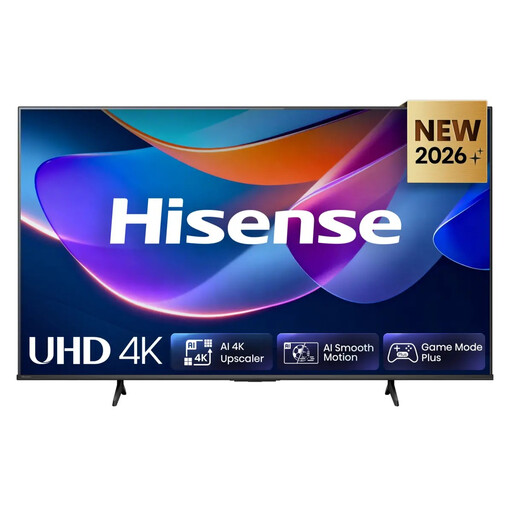
Hisense 55A6S 55-inch 4K UHD TV
An LCD TV to compare if you watch during the day; check how the screen reflects light from your windows.
55 inches (139 cm), 4K UHD, LED and energy class E.
View at Joybuy
 No image available
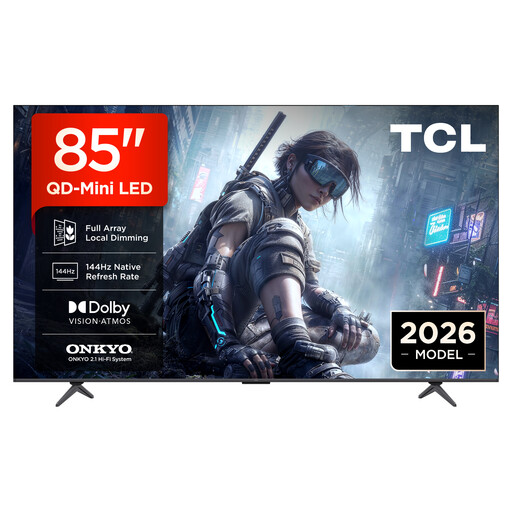
TCL T8D 85-inch 4K QD-Mini LED Smart TV
A mini-LED model to compare with other TVs for a bright room; measure your viewing distance before choosing an 85-inch screen.
85 inches, 4K, HDR, Google TV and 144 Hz.
View at Joybuy
 No image available
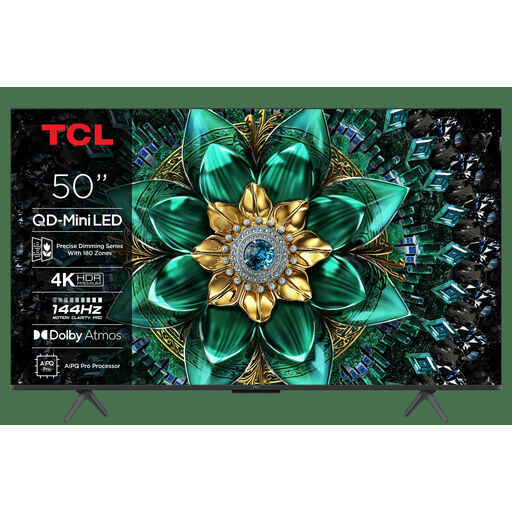
TCL 50Q6C 50-inch QD-Mini LED TV
A 50-inch model to compare if you’re looking for a smaller screen; assess the picture and reflections in the conditions you watch in.
QD-Mini LED, 4K HDR, 1000 nits, Google TV and energy class E.
View at Joybuy
 No image available
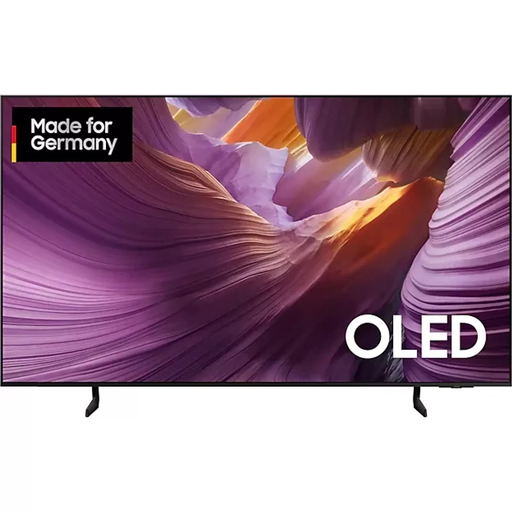
Samsung S85F Series GQ55S85FAU 55-inch OLED 4K TV
An OLED model to consider if viewing angles and changing light are factors; check how this exact screen reflects light in daylight too.
55 inches, OLED and 4K.
View at Joybuy
 No image available
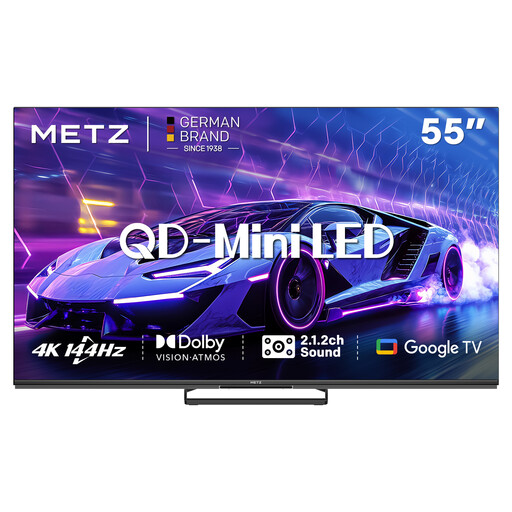
METZ 55MNE8000Z 55-inch QD-Mini LED Google TV
A 55-inch mini-LED model to compare for daytime viewing; assess reflections and picture quality where you watch.
QD-Mini LED, 4K, Google TV, 144 Hz and Dolby Vision.
View at Joybuy
Frequently asked questions
Should I point the TV screen towards the high windows?
Not necessarily: first check where the daylight falls on the screen. Milieu Centraal recommends choosing a spot where the screen is not exposed to too much daylight. If that isn’t possible, assess the reflections and picture in the light you usually watch in.
How do I choose an initial screen size?
Measure the distance from your usual seat and compare screen sizes that suit it. The Consumentenbond gives around 2.4 times the screen diagonal as a viewing-distance guide; treat this as a starting point, not a hard-and-fast rule.
Which picture setting should I try after setting it up?
Start with a home setting rather than the showroom mode, and assess the picture in your usual lighting. The Consumentenbond notes that showroom settings are often brighter; adjust the picture so that details remain visible in both bright and dark areas.
How do I compare the energy consumption of TVs?
Compare the stated consumption per 1000 hours for screen sizes that suit your viewing distance, and bear in mind how long you watch. The European energy label also provides separate information for HDR content.
In the Netherlands, am I automatically only entitled to a two-year legal guarantee?
No. According to the Rijksoverheid, there is no fixed legal guarantee period in the Netherlands. You are entitled to a product that works properly, depending on what you could reasonably expect; if something goes wrong, contact the seller. A manufacturer’s guarantee is separate from this.
Can I return a TV bought online if the reflections are worse than expected at home?
For online purchases, you generally have 14 days from delivery to change your mind, according to ACM ConsuWijzer. Check the relevant terms and exceptions; the right to change your mind is different from a remedy for a faulty product.


