For a bright living room, a TV is only a good choice if its brightness and handling of reflections suit the spot where you plan to put it. RTINGS often recommends mini-LED for bright rooms, but also advises comparing reflection handling across individual models. Make sure the screen size suits your viewing distance, too, and check that your documentary source is actually available in 4K.
Who is this buying guide for?
Daytime viewer with lots of natural light
If windows or lamps might be reflected in the screen, start by comparing the brightness and reflection handling of specific models. RTINGS identifies reflections as an important factor when watching TV in a bright room.
Detail-focused viewer sitting further away
If you want to make out maps, landscapes and small details from the sofa, measure your viewing distance and check the picture quality in which the documentary is available. The Consumers’ Association recommends around 2.4 times the screen diagonal as a guide to a comfortable viewing distance.
Watching together from a wide seating area
If you watch with others sitting in different seats, compare the viewing angles of the models you’re considering and see how they suit the position of your seats.
What should you look for when choosing?
Mini-LED LCD
Good for watching mainly during the day, if you want to compare bright pictures and local dimming.
Bear in mind performance in dark scenes and reflection handling vary by model; the technology label alone won’t tell you how well either performs.
OLED
Good for viewers who often watch in a dimmed room as well as during the day, and want to compare the features of a specific OLED model.
Bear in mind check the brightness and reflection handling of the specific model for a bright room; prolonged use with static on-screen elements also needs consideration.
Other LCD or QLED TVs
Good for viewers who also want to compare other LCD or QLED models by size and use.
Bear in mind QLED alone doesn’t mean a TV has mini-LED backlighting or a particular level of reflection handling.
| What to consider |
What to look for |
Who it matters to |
| Daylight and reflections |
Compare brightness and reflection handling separately; note where the windows and lamps are. |
If I watch during the day and light sources might be reflected in the screen, I want to compare both features on the exact model. Around 40% of consumers put daylight and reflections first. |
| Size and detail |
Measure the distance from the sofa to the screen and check the available picture quality of the documentary. |
For anyone who wants to see maps and small details from the sofa, both viewing distance and source quality matter. Around 30% of consumers prioritise size and visible detail. |
| Picture from different seats |
Compare the viewing angles of specific models with the width and layout of your seating area. |
If we watch from different seats, I want to know how the picture looks from each one. Around 20% of consumers put a wide seating area first. |
| Energy use and set-up |
Compare the energy label information and check which stand, mounting or installation is needed for your chosen set-up. |
Anyone who focuses mainly on energy use and additional requirements wants to compare those details in advance. Around 10% of consumers put running costs first. |
Common buying mistakes
-
Choosing based on high brightness alone
A bright screen won’t automatically prevent distracting reflections, especially when you’re watching dark scenes.
For the spot where you plan to put your TV, compare both the brightness and reflection handling of the exact model.
-
Assuming every 4K TV shows every programme in 4K
The resolution of the documentary source also affects how much original detail is available.
As well as checking the panel resolution, find out what picture quality the documentaries you watch are available in.
-
Confusing the manufacturer’s warranty with your statutory rights
A two-year manufacturer’s warranty doesn’t automatically mean you can’t make a claim under your statutory guarantee afterwards. According to ACM ConsuWijzer, this depends on what you could reasonably expect from the product.
Keep your proof of purchase and contact the seller if you think the product may be faulty.
Brands to compare
Samsung
The QE55QN90FATXXN is a 55-inch Neo QLED model with mini-LED technology to consider for a bright living room.
- The Dutch model designation and mini-LED technology are listed in Samsung Netherlands’ product information.
- The technology name alone doesn’t tell you how well this model handles reflections; compare information about the specific model.
Philips
The 55MLED920/12 combines QD mini-LED with Ambilight, a combination you can compare with other models.
- QD mini-LED and Ambilight are features listed for this model.
- Philips’ claims about colour and viewing experience are manufacturer claims, not independent measurements of reflection handling.
LG
The OLED65G55LW is a 65-inch OLED model to consider if you also watch in dimmed light.
- LG lists a 65-inch OLED panel.
- LG says the model is brighter than conventional OLED TVs; this is a manufacturer claim, not a guarantee of how it will perform opposite your window.
Sony
The BRAVIA 7 range combines mini-LED with Google TV and offers a useful point of comparison for documentaries and other viewing.
- Sony describes the brightness and picture processing of this product range.
- Check the full regional model code, screen size and reflection performance of the specific model.
TCL
The 55Q6C is a 55-inch QD mini-LED model to compare with other specific models.
- The Dutch product listing includes the category and model name.
- The model listing alone doesn’t establish independently measured brightness or reflection handling.
TVs at Joybuy
These models cover a range of TV options for watching documentaries: LCD and QLED models, mini-LED and OLED, in several screen sizes.
 No image available
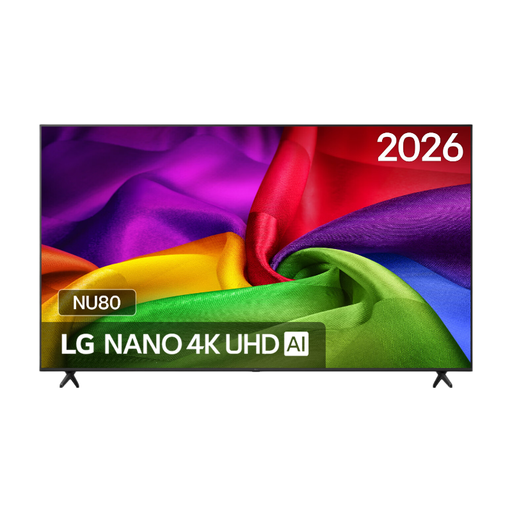
LG 65NU800B6LA 65-inch NANO 4K UHD AI Smart TV
A 65-inch 4K model to compare if you watch documentaries from further away.
Specifications in the product name: 65 inches, NANO, 4K UHD, HDR10, HLG and webOS 26.
View at Joybuy
 No image available
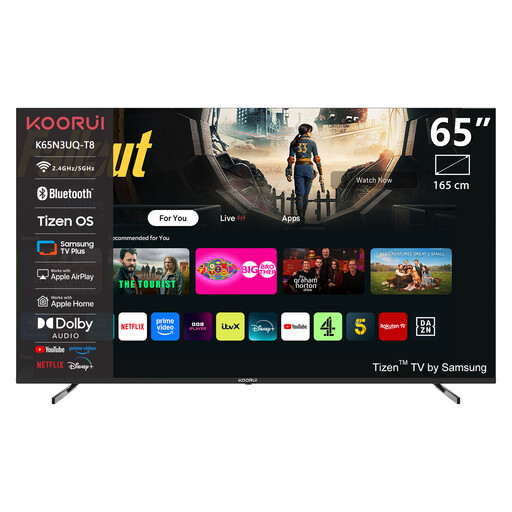
KOORUI K65N3UQ-T8 65-inch 4K UHD QLED Smart TV
This 65-inch model is worth comparing with other 4K TVs if you want to match the screen size to your documentary source.
Specifications in the product name: 65 inches, 4K UHD, QLED and Tizen OS.
View at Joybuy
 No image available
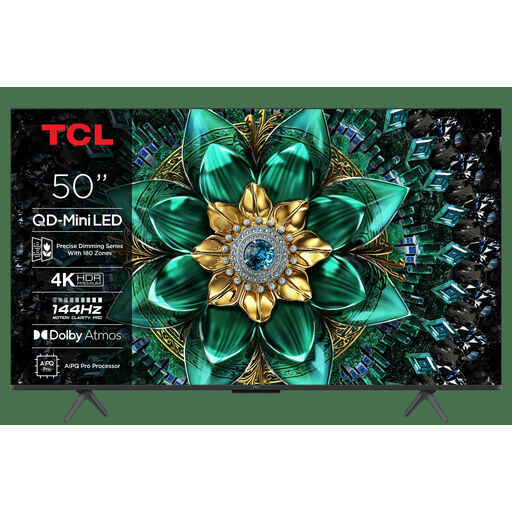
TCL 50Q6C QD-Mini LED 4K TV
A 50-inch mini-LED option to compare if you’re looking for a smaller screen and mainly watch during the day.
Specifications in the product name: 50 inches, QD-Mini LED, 4K HDR, Google TV and energy rating E.
View at Joybuy
 No image available
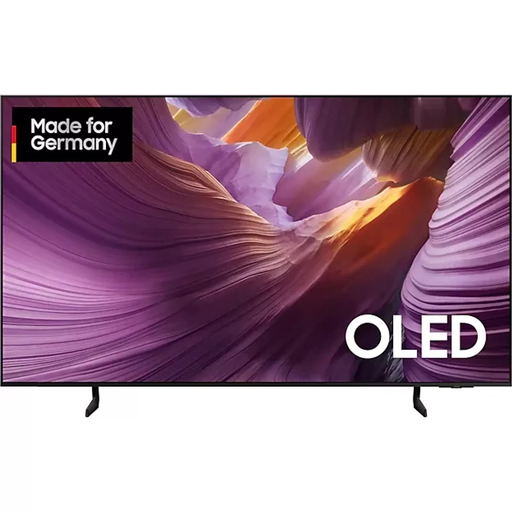
Samsung S85F Series GQ55S85FAU 55-inch OLED 4K TV
This 55-inch OLED model is worth including in your comparison if you’re considering watching in dimmed light as well as during the day.
Specifications in the product name: 55 inches, OLED and 4K.
View at Joybuy
 No image available
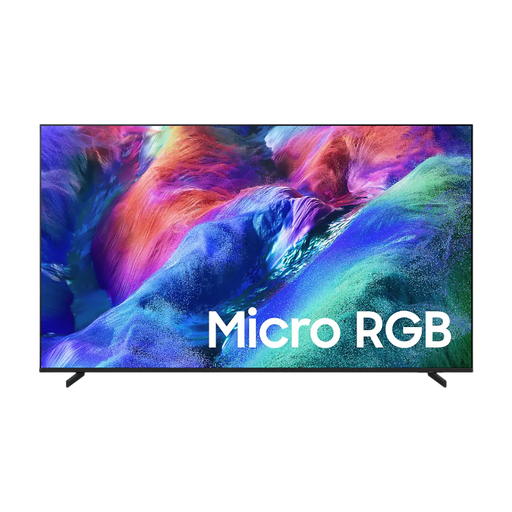
Samsung 65-inch Micro RGB R85H 4K Vision AI Smart TV
A 65-inch model to compare if you’re considering a larger screen for watching documentaries from the sofa.
Specifications in the product name: 65 inches, Micro RGB, 4K and Vision AI.
View at Joybuy
Frequently asked questions
How do I choose the right screen size for my sofa?
Measure the distance from the sofa to where you plan to put the screen. The Consumers’ Association recommends around 2.4 times the screen diagonal as a guide to a comfortable viewing distance; it’s a starting point, not a fixed rule.
Is 4K on the box enough to make documentaries look sharper?
No, check the source as well. According to the Consumers’ Association, extra 4K detail is only available from programmes or films that were recorded and made available in 4K.
What should I consider when positioning or wall-mounting my TV?
First, check whether any windows or lamps will be opposite the planned screen position. If you’re having the TV wall-mounted, ask what the installation includes. For example, Sony states that the wall-mounting service it offers doesn’t include a wall bracket; this isn’t a standard condition for every retailer.
Does a TV need an energy label in the Netherlands?
Televisions are covered by EU energy labelling rules for electronic displays. Compare the label and product information for the specific model; the European Commission also provides information about efficiency when displaying HDR content.
Does my statutory guarantee end after two years of the manufacturer’s warranty?
No, a two-year manufacturer’s warranty doesn’t automatically mean you no longer have statutory rights afterwards. According to ACM ConsuWijzer, the statutory guarantee depends on what you could expect from the product. Contact the seller if you think the product may be faulty.


