Who watches concert films in the bedroom?

Watching from bed

You want a screen that suits your viewing distance and the space available. Measure the distance from your usual viewing position and check there’s room for the TV, including its stand. The Consumers’ Association suggests a comfortable viewing distance of around 2.4 times the screen’s diagonal measurement.

Watching in the evening with others at home

You want to enjoy concert sound without disturbing anyone else. So check which headphone connections the specific TV model supports.

Enjoying dark stage scenes

Look at black levels and contrast, but compare the brightness and picture quality of individual models too.

What should you look for when choosing a TV?

OLED

When: if you mainly watch in a dark bedroom and deep blacks are important for stage scenes.

Consider: compare the picture quality of the specific model. Prolonged display of a static image can cause image retention.

LCD or QLED

When: if you also watch in daylight or place a high priority on brightness.

Consider: black levels and reflections vary by model. Compare these features in the lighting conditions you usually watch in.

What to consider What should you check? Who is this important for?
Screen size and placement Measure the distance from your eyes to the screen and check the space available. The Consumers’ Association suggests a comfortable viewing distance of around 2.4 times the screen’s diagonal measurement. Use this as a starting point, and also check the dimensions including the stand. If I watch from bed, I want a screen that suits both my viewing distance and the space on my furniture. Around 25% of consumers give screen size and placement top priority.
Sound for music films Compare sound reviews for the specific model. Check whether the soundbar or TV and audio system have compatible HDMI-ARC or eARC connections. If you mainly watch concert films for the music, you’ll want to know how the TV’s own sound performs and whether you can connect an external system. Around 25% of consumers prioritise music playback.
Contrast in dark performances Compare model-specific information on contrast, brightness and reflections. OLED can generally produce deeper blacks, while some QLED TVs can be brighter, according to the Consumers’ Association. In a dark stage scene, I want to be able to assess detail in both dark and illuminated areas without overlooking the brightness in my room. Around 20% of consumers make contrast in dark scenes their top consideration.
Listening without disturbing others Check whether the specific model supports the Bluetooth headphones you want to use or has a 3.5mm connection. Also check separately whether the TV speakers can continue playing at the same time. If others at home are asleep, I want to listen privately using a connection that actually supports my headphones. Around 15% of consumers give quiet listening top priority.
Playback source and connections Check whether the app you want is available on the TV model, and count the HDMI inputs you’ll need for your own devices. To enjoy 4K detail, the film must also be available in 4K. If you use your own streaming apps or a separate player, you’ll want to know in advance whether your films and devices will work with the TV. Around 15% of consumers prioritise ease of playback and connections.

Common pitfalls when choosing a TV for concert films

  • Choosing a screen size based on the wall

    The distance from your viewing position and the TV’s physical dimensions are two separate things to check. A screen may be uncomfortable to watch from bed, or the TV may not fit on your furniture once the stand is included.

    First, measure your viewing distance and the available width and height. Use a viewing-distance rule only as a starting point, then check the dimensions of the TV you’ve chosen.

  • Assuming a 4K TV makes every concert film look sharper

    The film or other playback source must also be available in 4K for you to enjoy 4K detail.

    Check what’s available through your own streaming service or player, and consider sound quality too.

  • Confusing an audio term with great music sound

    An audio term alone doesn’t tell you how the sound of the specific TV model is rated. You’ll also need compatible connections for an external system.

    Look for a review of the specific model and check for HDMI-ARC or eARC on both the TV and the audio system.

  • Mistaking QLED for OLED

    QLED is an LCD technology with a backlight, while OLED has different characteristics for black levels and viewing angles. The Consumers’ Association highlights these differences as points to consider when comparing TVs.

    Compare specific models in the lighting conditions you usually watch in, rather than choosing based on the technology name alone.

Brands to compare

LG

LG Netherlands lists the OLED42C5ELB as a 42-inch OLED TV with 4K. It’s an option to consider if you’re looking for a relatively compact OLED screen.

  • The listed screen technology and resolution are OLED and 4K.
  • Check the sound and connections for the exact variant. Manufacturer claims about picture processing are not the same as an independent comparative test.

Philips

Philips lists the 43PUS9000/12 as a 43-inch 4K QLED TV with Ambilight.

  • Ambilight is a distinctive feature to consider if you’re thinking about lighting behind the screen.
  • Whether that lighting works for you in a bedroom depends on your preference. The manufacturer’s claim that it creates a more immersive viewing experience is not the result of an independent test.

Samsung

Samsung lists the QE43Q7F2AUXXN as a 43-inch 4K QLED model.

  • The listed screen technology and resolution are QLED and 4K.
  • Claims about colour and AI processing come from the manufacturer. Assess picture and sound for each model.

Sony

Sony lists the BRAVIA 3 K43S32BP.CEI as a 43-inch 4K TV with Google TV.

  • The model code, screen size and TV platform are specified for this variant.
  • The manufacturer’s descriptions of picture and sound are not an independent comparison. Assess the specific model against your own priorities.

TVs for concert films in the bedroom

This selection includes 42- and 43-inch TVs, including OLED and LCD/QLED models. Compare screen size, picture technology and connections with your viewing position and how you like to listen.
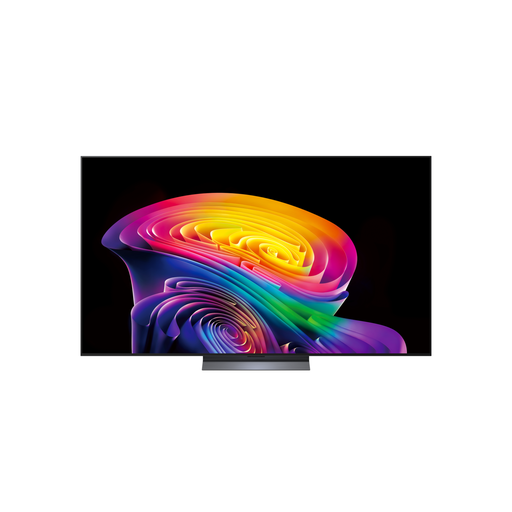
LG OLED42C68LA 42-inch 4K OLED Smart TV

LG OLED42C68LA 42-inch 4K OLED Smart TV

A 42-inch OLED option to weigh up against your viewing distance, particularly if black levels are important for dark concert scenes.

4K Ultra HD, Dolby Vision, HDR10, Dolby Atmos, HDMI 2.1, Bluetooth and eARC. The Consumers’ Association reports image retention in tests of older OLED models after prolonged display of a static image; those test results don’t predict the risk for this model.

View at Joybuy
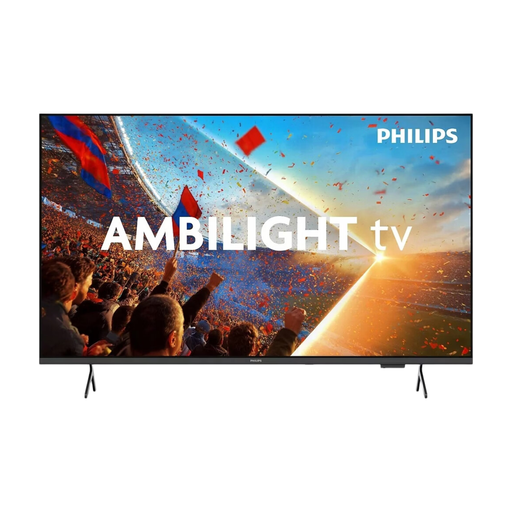
Philips 43PUS8001/12 43-inch 4K TV

Philips 43PUS8001/12 43-inch 4K TV

A 43-inch TV to compare with the space available and your viewing distance from bed.

LED, 4K, Ambilight, Bluetooth and eARC. Check that this variant supports the headphone connection you want to use.

View at Joybuy
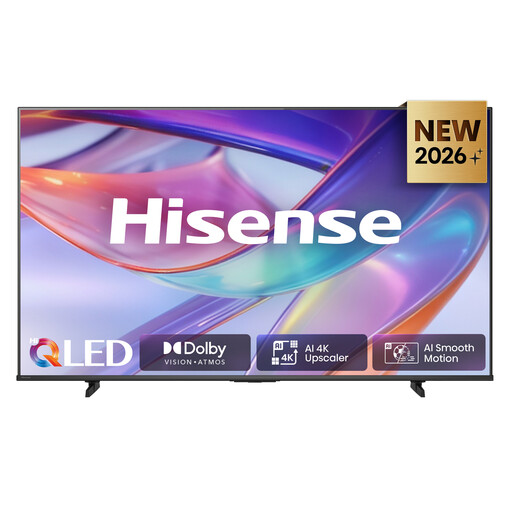
Hisense 43E7S 43-inch 4K QLED TV

Hisense 43E7S 43-inch 4K QLED TV

A 43-inch QLED option to compare with OLED, as well as with the space and viewing distance in your bedroom.

4K UHD, HDR10+, VIDAA, Bluetooth, eARC and 3 HDMI 2.1 connections. Check separately which headphones and external devices you want to connect.

View at Joybuy
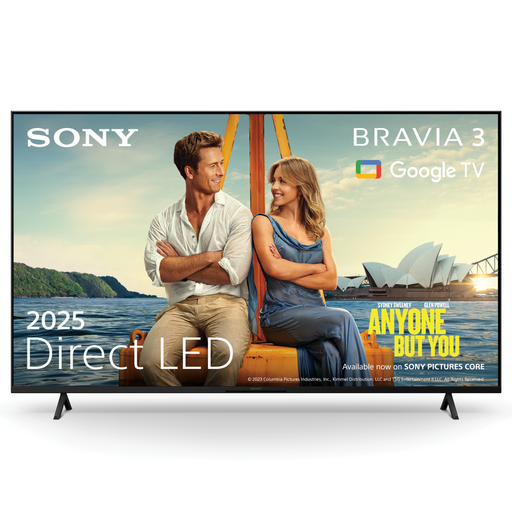
Sony K43S32BP.CEI BRAVIA 3 43-inch LED 4K TV

Sony K43S32BP.CEI BRAVIA 3 43-inch LED 4K TV

A 43-inch option to weigh up against your viewing position and preferred playback source.

LED, 4K, Google TV and eARC. Check which apps and audio connections are available for the way you plan to use it.

View at Joybuy
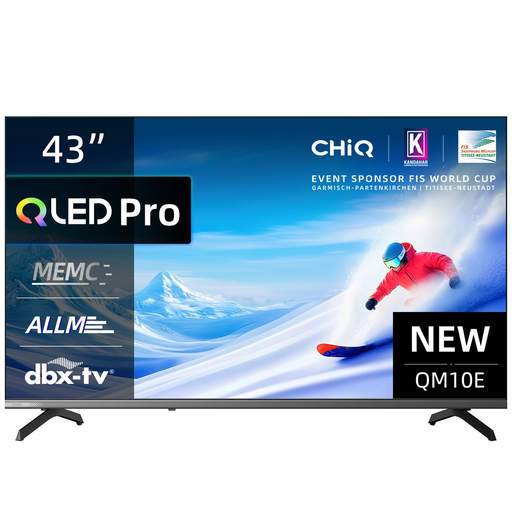
CHiQ U43QM10E 43-inch 4K QLED Smart TV

CHiQ U43QM10E 43-inch 4K QLED Smart TV

A 43-inch QLED model to assess based on its screen size, picture technology and the apps you want to use.

4K, Google TV, HDR10, VRR, ALLM, Dolby Audio and Bluetooth. Check that the listed connections suit your devices and listening preferences.

View at Joybuy

Frequently asked questions about TVs for concert films

What size TV will fit opposite my bed?

Measure from your eyes to the screen in your usual viewing position, and check there’s enough space for the TV and its stand. The Consumers’ Association suggests a comfortable viewing distance of around 2.4 times the screen’s diagonal measurement. Use this as a starting point and compare sizes that will physically fit.

Can I watch concert films without waking anyone else?

Yes, provided the TV model supports the headphone connection you want to use, such as Bluetooth or a 3.5mm connection. Whether the speakers can play sound at the same time varies by model.

How do I connect a soundbar to a TV?

Check that the TV and soundbar have compatible HDMI-ARC or eARC connections, then connect the devices using the appropriate ports. The Consumers’ Association describes ARC and eARC as connections for an audio system; check the connections on both devices.

How do I care for an OLED TV?

Avoid leaving a static image on screen for unnecessarily long periods, and follow the cleaning instructions for your chosen model. An older Consumers’ Association test found image retention under prolonged test conditions, but it doesn’t provide a risk figure for current models. LG advises against using harsh chemicals or abrasive cleaners on a TV screen.

What should I know about energy use and my rights after buying online?

Compare the EU energy label for the specific TV and check the information on HDR energy use too. The European Commission says energy labels provide information about efficiency during HDR playback. ACM ConsuWijzer states that with a standard online purchase of a new TV, you generally have a statutory cooling-off period of up to 14 days after delivery. You’re also entitled to a product that meets what you could reasonably expect under the statutory guarantee; there is no fixed Dutch guarantee period that applies to every TV.
