What to consider when choosing
OLED TV
A good fit if: you often watch from an angle with other people, or dark stage scenes matter to you, and you can manage the light in the room.
Trade-off: the Consumers’ Association generally notes wider viewing angles and deeper blacks; also compare reflections and brightness in your own room.
LCD TV, including QLED and Mini LED
A good fit if: your room gets a lot of daylight, or screen size and other features are high on your list.
Trade-off: according to the Consumers’ Association, LCD TVs can often be bright, but black levels and picture quality from an angle vary by model. QLED is a type of LCD, so compare the specific TVs you’re considering.
| What to consider |
What to look for when buying |
Who this matters to |
| Movement and picture quality |
Compare the same recording through the app, player or HDMI source you plan to use; test different motion settings. |
If I want to follow dance steps and camera movements clearly, I compare my own recording source; around 33% of consumers put motion handling first. |
| Viewing angle and reflections |
Check colour, contrast and reflections from the furthest seats, and at a time when the room is bright. |
When household members watch from different places, I want a good picture even when I’m not sitting in the centre; around 27% of consumers prioritise watching together from multiple seats. |
| Listening without disturbing others |
Check the audio outputs, Bluetooth support and any simultaneous audio output for each model. |
If I want to listen while other people are resting or sharing the room, I check the headphone connection in advance; around 20% of consumers prioritise quiet listening. |
| Size and placement |
Measure the viewing distance and available space, including the TV stand; use a viewing-distance guide as a starting point. |
If my room is short on space, I want a screen that fits on the unit and is comfortable to watch; around 20% of consumers prioritise a suitable size and running costs. |
The Consumers’ Association suggests a viewing distance of around 2.4 times the screen’s diagonal as a comfortable starting point. Use this as a guide, then check the layout of your own seating area too.
Joybuy products for ballet recordings
This Joybuy selection includes OLED and LCD TVs to compare by screen type, size and features that matter for ballet recordings and shared viewing.
 No image available
LG OLED48G69LS 48-inch OLED 4K TV
An OLED model to compare if dark stage scenes and a 48-inch screen suit your viewing space.
Listed features: 4K, 120Hz native, VRR up to 165Hz and four HDMI inputs.
Joybuy
 No image available
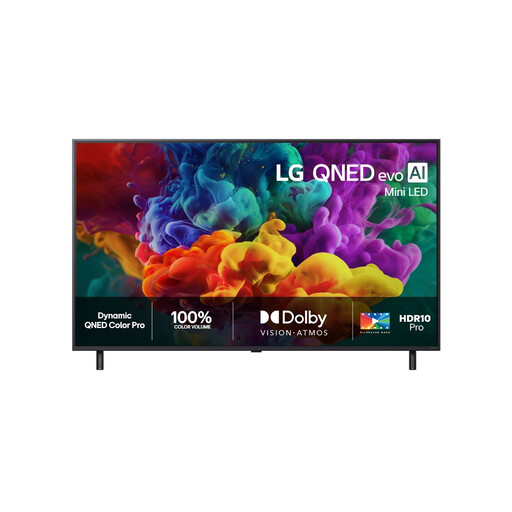
LG QNED85B6B QNED Evo Mini LED 4K Smart TV
An LCD model with Mini LED to compare with OLED for your room and seating arrangement.
Listed features: 4K and four HDMI inputs.
Joybuy
 No image available
TCL 50Q6C QD-Mini LED 50-inch 4K TV
A 50-inch LCD model to compare if that size suits your viewing distance and room.
Listed features: QD-Mini LED, 4K, 144Hz and MEMC.
Joybuy
 No image available
Samsung S85F Series GQ55S85FAU 55-inch OLED 4K TV
A 55-inch OLED model to compare if its screen size suits your viewing distance and shared living room.
Listed features: OLED, 4K and four HDMI inputs.
Joybuy
 No image available
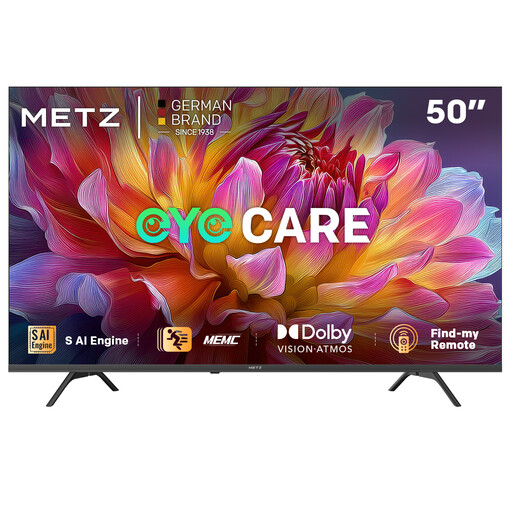
METZ 50MUF7000Z 50-inch 4K Smart TV
A 50-inch TV to compare if you’re looking for a smart TV with private listening options.
Listed features: HDR10, Dolby Vision, MEMC, Google TV and Bluetooth.
Joybuy
Frequently asked questions
Should I buy a TV with the highest Hz rating for smooth ballet footage?
No. A higher advertised Hz rating alone won’t determine how ballet movement looks. The recording’s frame rate, playback source and the TV’s processing all play a part too; if possible, compare the same clip with different motion settings.
How do I choose a screen size if people in my household sit at different distances?
Measure the distance from viewers’ eyes to the TV from the seats you use. The Consumers’ Association suggests around 2.4 times the screen’s diagonal as a comfortable starting point, not a fixed rule; also check that the TV’s overall dimensions, including the stand, fit on your unit.
What can I do if the TV sound bothers other people?
Start by agreeing arrangements with the people you live with, then check that the TV supports the headphone connection you want to use. The Dutch government advises people dealing with nuisance from neighbours to try agreeing a solution together first; headphone options and simultaneous audio output vary by model.
Can I mount a TV on the wall in a rented home without permission?
It depends on the work involved. According to the Dutch government, small alterations that can be easily repaired without significant cost, such as drilling holes, don’t require permission; renovations do. Check your tenancy agreement and the wall before mounting the TV too.
How do I compare the energy consumption of TVs?
Compare European energy labels for TVs of similar screen sizes; these distinguish between SDR and HDR. Actual energy use also depends on how long you watch and which settings you use.


