Start with the seating and lighting in the room: viewing angle and reflections both affect how well everyone can see the ballet recording. OLED is generally worth considering for seating spread across the room and dark scenes; an LCD TV with mini LED may also suit you if brightness is important in a light room. Also compare motion handling, sound and connections with the source you plan to use.
Who is this choice relevant to?
Watching from different seats
You watch together from a wide sofa or seats spread around the room, and want faces, costumes and subtitles to remain clear from the side, too. The Consumentenbond highlights viewing angle and visibility in ambient light as factors to consider when comparing TVs.
Fans of stage detail and movement
You regularly watch dark scenes and choreography, and want to assess contrast and motion without assuming that a higher Hz rating means a better picture. The Consumentenbond points out that calculated intermediate frames can cause picture artefacts.
Watching in a bright living room
You also use the same room during the day, so you want to take brightness, ambient light and reflections into account. Compare TVs under the lighting conditions you normally watch in.
What should you look for?
OLED TV
Suitable for: seating spread around the room and regular viewing of stage recordings in dim light, when viewing angle and deep blacks are key priorities.
Bear in mind: assess reflections and visibility in the lighting conditions of your own living room. Choose the screen size separately, based on your viewing distance.
Mini LED LCD TV
Suitable for: a shared room where daylight and brightness are important considerations.
Bear in mind: viewing angle and bright halos around objects in dark images can vary between models. Assess the picture from the seats at the sides of the room.
| What to consider |
What should you look for? |
Who is this most relevant to? |
| Viewing angle and screen size |
Measure the viewing distance from your usual seats. The Consumentenbond suggests around 2.4 times the screen diagonal as a starting point, not a hard-and-fast rule. Also check the picture from the seat furthest to the side. |
When we watch from a wide sofa or seats spread around the room, I want the picture and subtitles to remain clear from the side, too. Around 36% of consumers prioritise viewing angle and a suitable screen size. |
| Movement in choreography |
Compare the same ballet scene with motion processing switched on and off. The panel refresh rate and the recording’s frame rate are not the same thing. |
If dancers and camera movements are to look natural, I want to assess the processing with my own recording. Around 29% of consumers prioritise motion handling. |
| Lighting and dark scenes |
Check for reflections under your usual lighting and compare bright and dark scenes. Check whether the recording contains HDR information before factoring in HDR support. |
If I watch during the day but also want to see detail in dark stage scenes, the picture needs to work in both lighting conditions. Around 21% of consumers prioritise visibility in changing light. |
| Sound and recording source |
Listen to a passage of music and check that the exact model has the apps and HDMI, USB or audio connections you need for your source. |
If I want to use a particular service, player or local file, I want to check in advance that the required playback option is available. Around 14% of consumers prioritise sound and access to the recording source. |
Pitfalls to avoid
-
Judging the picture only from directly in front of the screen
In a shared living room, viewing angle and reflections can make the picture look different from the seats at the sides. The Consumentenbond includes these factors when assessing TVs.
Watch the same bright and dark scene from the seats furthest to the sides, using the lighting you normally have on.
-
Assuming a high Hz rating guarantees natural-looking dance movement
A TV can calculate intermediate frames to make movement look smoother, but this can also cause picture artefacts when the movement is difficult to predict. The Consumentenbond describes this limitation of motion processing.
Compare the same recording with motion processing switched on and off before relying on the stated refresh rate.
-
Assuming 4K or HDR on the box guarantees the quality of every recording
The source must also contain the relevant picture information. So HDR support on the TV does not mean that every ballet recording contains HDR information.
Check the specifications of the recording source before placing extra importance on a supported picture format.
-
Confusing the manufacturer’s guarantee with your statutory rights
According to ACM ConsuWijzer, your statutory guarantee may last longer than the period stated by a manufacturer or seller.
Keep your purchase and seller details. Assess a fault in light of normal use and reasonable expectations, not just the manufacturer’s guarantee expiry date.
Brands to consider
LG
The LG OLED evo G6 range is worth comparing if viewing angle, black levels and reflections matter to you.
- For the OLED55G68LW, LG specifies individually lit OLED pixels and Reflection Free Premium.
- These are LG’s claims, not independent test results for a ballet recording. Assess reflections and placement in your own room.
Philips
According to Philips, the OLED811 range combines OLED with Ambilight, for viewers who also value ambient lighting.
- For the 55OLED811/12, Philips describes viewing from an angle and lighting that responds to the content.
- Ambilight is a matter of personal preference and does not prove better visibility or sound quality. Compare the picture with Ambilight switched off, too.
Sony
The BRAVIA 5 K-55XR5 is a mini LED option for comparing LCD, local dimming and connections.
- For this model, Sony lists an LCD screen with mini LED, local dimming, 120 Hz, four HDMI inputs and eARC.
- These specifications do not, by themselves, show how wide the viewing angle is or how ballet recordings look. Assess those points separately.
TCL
The 55C6K is a mini LED option for comparing QLED, panel type and sound system.
- TCL describes the C6K range as featuring QLED, an HVA panel and an ONKYO 2.1 system.
- TCL lists a 144 Hz refresh rate and up to 512 dimming zones for the range; check the specifications for the exact screen size. Manufacturer descriptions are not independent measurements.
Joybuy products
These Joybuy products include OLED TVs and mini LED LCD TVs for watching ballet recordings together. Compare viewing angle, lighting, motion settings and the connections you need for each model.
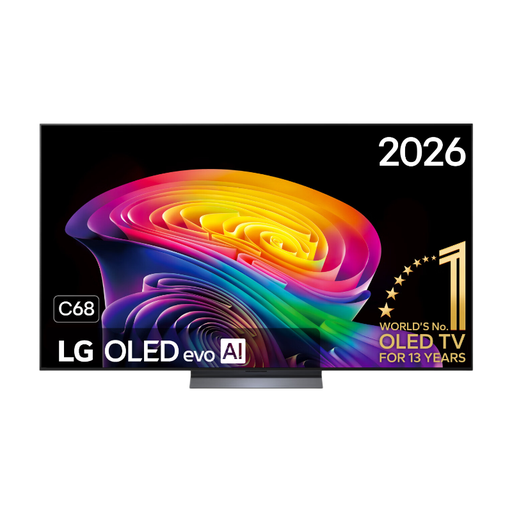 Image unavailable
LG OLED55C68LA 55-inch OLED evo AI C6 4K Smart TV
An OLED option to compare if several people watch from different angles.
The product name lists 4K, 120 Hz native and VRR up to 165 Hz. Compare motion processing with the same recording; the refresh rate alone does not predict how dance movement will look.
The product name lists Dolby Vision and Dolby Atmos.
View at Joybuy
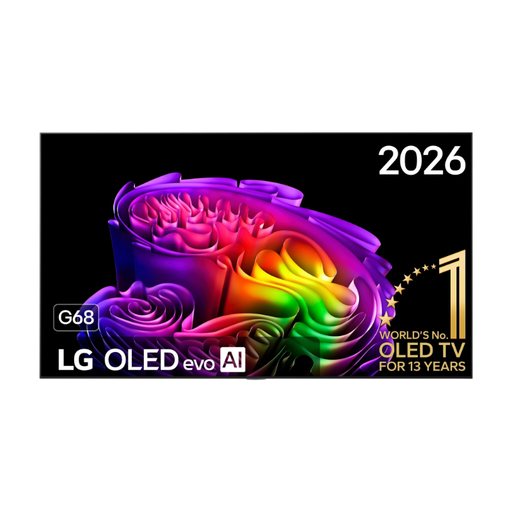 Image unavailable
LG OLED55G68LW 55-inch OLED evo AI G6 4K Smart TV
This OLED option is worth comparing for seating spread around the room and dark stage scenes.
The product name lists 4K, 120 Hz and VRR up to 165 Hz. Assess motion with your own recording, too; a Hz rating does not guarantee natural-looking playback.
The product name lists Dolby Vision and Dolby Atmos. A suitable stand is needed for placing it on furniture; a table stand is not included.
View at Joybuy
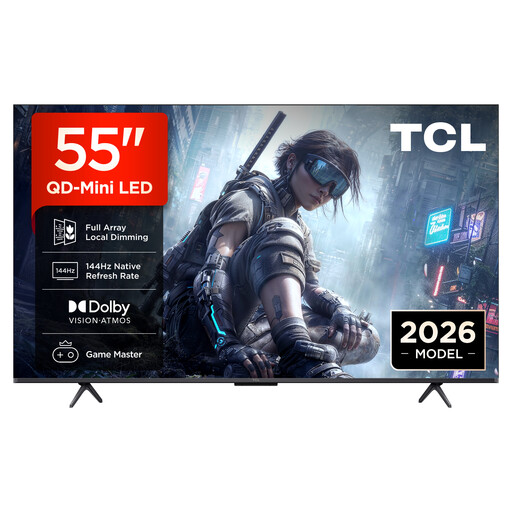 Image unavailable
TCL 55T8D 55-inch QLED 4K TV with QD Mini LED dimming
An LCD option with mini LED to compare with OLED in a shared room where daylight is a factor.
The product name lists 4K HDR, Dolby Vision, HDR10+, Dolby Atmos and 144 Hz VRR. Check motion handling with the same recording; the stated refresh rate does not guarantee a particular picture result.
View at Joybuy
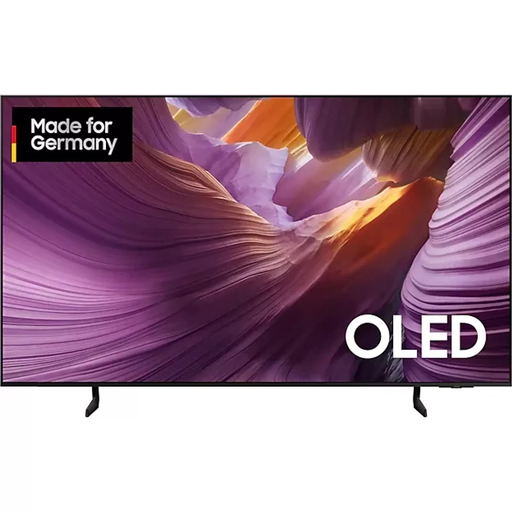 Image unavailable
Samsung S85F Series GQ55S85FAU 55-inch OLED 4K TV
A 55-inch OLED option to compare if viewing angle and dark scenes matter to you.
The product name lists an OLED screen and 4K resolution. Also check viewing angle, reflections and motion handling in the room where you watch.
View at Joybuy
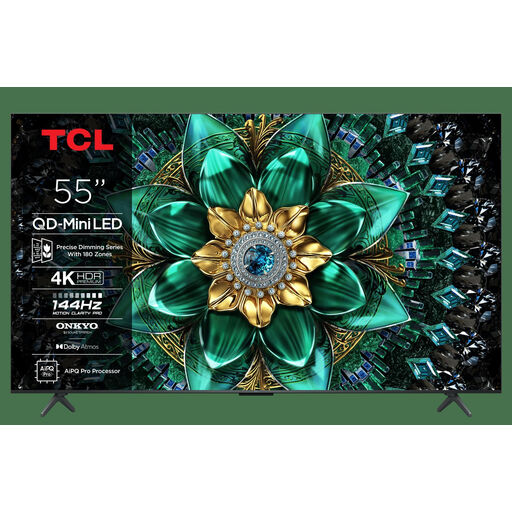 Image unavailable
TCL 55Q6C 55-inch QLED Mini LED TV, 4K HDR
This mini LED LCD TV is worth comparing if brightness matters in a shared viewing space.
The product name lists Dolby Vision IQ, Dolby Atmos, an ONKYO 2.1 system, 144 Hz Motion Clarity Pro and HDMI 2.1. Check the viewing angle and motion handling on the exact model.
View at Joybuy
Frequently asked questions
How do you choose a screen size when people sit at different distances from the TV?
Measure your usual viewing distances from eye level and use around 2.4 times the screen diagonal as a starting point. The Consumentenbond says this is a guideline, not a requirement. Compare nearby screen sizes, too, and check that the TV will fit on your furniture or wall.
Does 144 Hz automatically make a ballet recording look smoother?
No. The stated panel refresh rate does not tell you how many original frames the recording contains. A TV can calculate intermediate frames, but this can also cause picture artefacts when movement is difficult to predict. Compare the settings with the same recording.
How should you adjust the picture for a dark performance?
Use the lighting you normally watch in and check a familiar scene to make sure both dark and bright details remain visible. When adjusting the picture, the Consumentenbond recommends, among other things, switching off dynamic contrast and dynamic backlighting.
What should you check if you want to watch recordings from a service or player?
Check the specific service and recording at the time you want to watch, and confirm that the exact TV model has the app or connection you need. Nationale Opera & Ballet offers videos and streams online, among other things, but this does not confirm that a TV app is available, that a title will remain available or that it will have a particular picture quality.
Which energy rules and guarantee rights apply to a purchase in the Netherlands?
EU ecodesign and energy labelling rules apply to TVs. The European Commission describes an A to G energy label that also includes information about HDR use. In the Netherlands, statutory guarantees also cover what you can reasonably expect from a product under normal use; a shorter manufacturer’s guarantee does not replace this right. According to ACM ConsuWijzer, when you buy a new TV online in the usual way, you will generally have a statutory 14-day cooling-off period from delivery.


