What should you look for when choosing?
First measure your viewing distance and decide how you’ll play your recordings. Then compare the picture, listening options and energy consumption of the exact TV model.
| What to consider |
What to look for |
Who it matters to |
| Dark scenes and movement |
If possible, watch a familiar recording at your usual viewing distance, with both dark and moving scenes. Assess the settings in the lighting you use at home. |
If I want to follow dancers against a dark background, I look at image processing and settings rather than just the panel name. Around 28% of consumers prioritise picture and movement. |
| Screen size and placement |
Measure the distance from your eyes in bed and check the external dimensions, including the stand or the required mounting dimensions. The Consumentenbond suggests around 2.4 times the screen diagonal as a starting point, not a hard-and-fast rule. |
When the TV needs to be comfortable to watch from bed and fit on a limited wall or piece of furniture, I compare sizes from my usual viewing position. Around 22% of consumers give suitable size and placement top priority. |
| Playing your recordings |
Check the app on the exact model, or find out whether the TV supports the HDMI connection or file format required for your USB recording. |
If I want to use my own files or an existing player, I first check the complete route to the screen. Around 22% of consumers choose mainly based on access to their own recordings. |
| Listening at bedroom volume |
Check that the exact model has the connection or wireless option your headphones or audio system needs. If possible, try the sound at the volume you’ll use when watching. |
When I want to listen quietly or avoid disturbing others, I focus on my listening options and existing audio equipment. Around 17% of consumers prioritise quiet or individual listening. |
| Energy consumption and requirements |
Compare the energy labels of the exact models in kWh per 1,000 hours, separately for SDR and HDR. Also check which connections and mounting dimensions you need. |
If I want to factor in energy consumption and requirements after buying, I compare the labels on the same basis and consider my own setup. Around 11% of consumers start with running costs. |
TVs at Joybuy
These TVs range from compact 32-inch models to larger screens, with different ways to watch from bed and play content via apps or external sources. Measure your viewing distance and check the app, connection and physical dimensions you need for each model.
 No image available
LG OLED42C68LA 42-inch 4K OLED Smart TV
A 42-inch OLED model to compare if you’re looking for a 4K screen and access to apps or external sources.
42 inch; 4K; OLED; HDR formats; webOS; four HDMI ports and two USB ports.
View at Joybuy
 No image available
LG 43NU800B6LC 43-inch Nano UHD Smart TV
A 43-inch smart TV to consider if the size suits your space and you want to watch via apps, casting or an external source.
43 inch; 4K; webOS; Google Cast; three HDMI inputs.
View at Joybuy
 No image available
Hisense 43A6S 43-inch 4K UHD Smart TV
A 43-inch option to compare if you want to play a recording via a smart TV or compatible device.
43 inch; 4K UHD; 60 Hz; Dolby Vision; VIDAA; AirPlay 2; MEMC; AI Smooth Motion.
View at Joybuy
 No image available
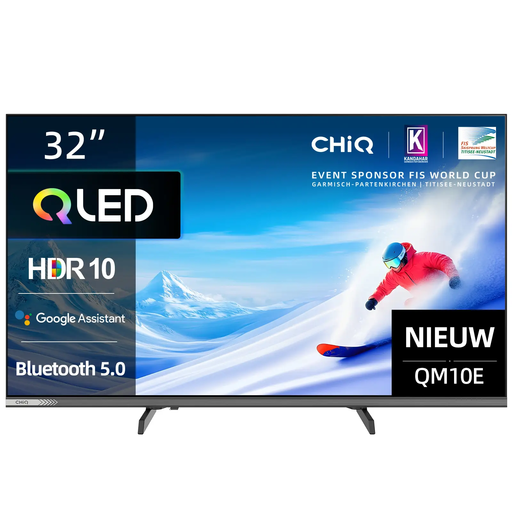
CHiQ L32QM10E 32-inch QLED Smart Google TV
A compact 32-inch model to compare if your viewing distance or available space is limited.
32 inch; QLED; Full HD; Google TV; HDMI 1.4; USB 2.0; Bluetooth 5.0.
View at Joybuy
 No image available
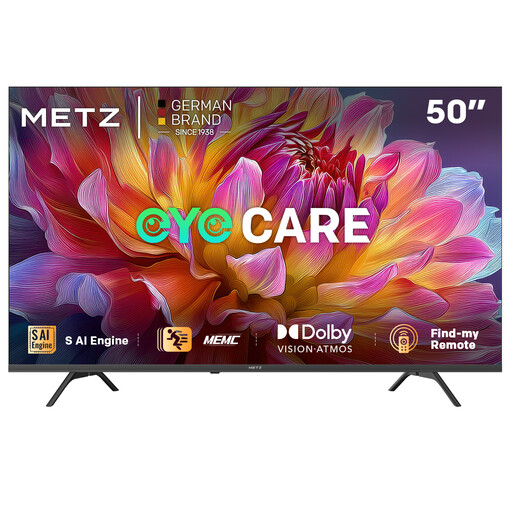
METZ 50MUF7000Z 50-inch UHD Smart TV
A larger screen to consider only if the viewing distance and available bedroom space can accommodate it.
50 inch; UHD; Google TV; HDR10; Dolby Vision; MEMC; HDMI and USB connections.
View at Joybuy
Frequently asked questions
How do you choose a screen size for watching from bed?
Measure from your usual eye position to where the screen will be, and check its external dimensions too. The Consumentenbond suggests around 2.4 times the screen diagonal as a starting point; also compare screen sizes that will physically fit.
Can every smart TV play your ballet recordings?
No. The word ‘smart’ doesn’t guarantee support for the app or file format you need. Check the app on the exact model, the connections for your player and the formats supported for a USB file.
How do you adjust the picture for evening viewing?
Assess a familiar scene in the lighting you usually have at home. Adjust brightness and contrast so details remain visible in both light and dark areas; the Consumentenbond recommends assessing picture settings in your usual viewing light.
What should you check before mounting the TV or adding sound equipment?
Compare the dimensions and mounting measurements of the exact TV with the space where you want to place or mount it. For an audio system, check which connection both devices support, such as HDMI-ARC/eARC or another suitable audio connection.
How do you compare TVs’ energy consumption?
Compare the energy labels of the exact models in kWh per 1,000 hours, keeping SDR and HDR separate. The cost also depends on how long you watch and your electricity tariff.


