First, measure the distance from each seating position and assess the viewing angle and reflections in your room; then choose the screen technology. OLED is worth considering if you watch from different positions or enjoy dark scenes, while QLED or Mini LED could be a good option if the room is often bright. Compare the apps you want, the sound and energy consumption of each model, and choose a screen size that suits your shared space and budget.
Who is this buying guide for?
Housemates sitting in different places
Do you watch from the sofa as well as chairs off to the side? Check the screen size and viewing angle from all those spots. The Consumentenbond (Dutch Consumers’ Association) highlights viewing angle and viewing distance as factors to consider when choosing a TV.
Viewers who care about picture quality
If you care about details in works of art and dark scenes, compare picture technology and reflections. The Consumentenbond advises looking beyond the 4K label and checking the picture quality of the TV itself.
Housemates sharing the costs
If you’re weighing up the purchase price and electricity use together, compare the energy labels of TVs with a suitable, comparable screen size. Milieu Centraal also points out that settings affect energy consumption.
What should you look for when buying?
LED-LCD
A good fit if: keeping the shared purchase cost down is a priority, and the picture, viewing angle and reflections work for your seating positions.
Trade-off: 4K alone doesn’t tell you enough about picture quality; assess the specific TV.
QLED or Mini LED-LCD
A good fit if: your shared room is often bright and brightness is an important factor. The Consumentenbond explains that QLED TVs can often produce higher brightness.
Trade-off: the technology alone doesn’t guarantee how an individual model will perform; check reflections and viewing angles from seats to the side.
OLED
A good fit if: housemates watch from different places and deep blacks in dark scenes matter. The Consumentenbond says OLED TVs generally offer a wider viewing angle and deeper blacks.
Trade-off: according to the Consumentenbond, QLED can often be brighter; compare specific TVs and the shared costs.
| What to consider |
What should you check? |
Who does this matter more to? |
| Screen size and viewing angle |
Measure from several seating positions. The Consumentenbond suggests around 2.4 times the screen’s diagonal as a starting point for viewing distance, not a hard-and-fast rule. |
If we watch from the sofa and chairs to the side, I want the size and picture to work from every spot; around 33% of consumers prioritise this kind of shared viewing setup. |
| Picture quality in different lighting conditions |
Compare the exact model and its reflections in lighting similar to your room. Don’t look at resolution alone. |
For art documentaries, I want to be able to appreciate details and dark scenes in lighting that suits our room; around 27% of consumers prioritise picture quality and room lighting. |
| Shared purchase and electricity costs |
Compare the EU energy labels of TVs with a suitable screen size, including the information for SDR and HDR, and agree how you’ll split the costs. |
If we’re paying for and using the TV together, I want to weigh up the purchase price and energy use in advance; around 20% of consumers prioritise shared costs. |
| Apps and clear dialogue |
Check whether the app you want is available on the exact model, or choose a suitable external device. Assess speech clarity at a normal volume. |
When we watch together, I want to be able to play our documentary source and follow conversations easily; around 20% of consumers prioritise access to documentaries and clear dialogue. |
Pitfalls to avoid when choosing
-
Judging by 4K or the panel label alone
Resolution alone doesn’t predict picture quality, and TVs with the same type of panel technology can perform differently.
Compare specific models for picture quality, viewing angle and reflections in conditions similar to your room.
-
Counting only the purchase price as a shared cost
Screen size and settings also affect energy consumption. The European Commission includes energy-use information on the energy label, and Milieu Centraal also points out that settings have an impact.
Compare labels on the same basis and agree in advance how you’ll split the purchase price and electricity costs.
-
Assuming an extended warranty plan replaces your rights
According to the Dutch Government, the seller remains responsible if a product is faulty; an additional plan does not replace your statutory rights.
Check what extra cover the plan offers and what its terms and conditions are.
Brands to consider
This brand information covers the product ranges and models mentioned. It is for guidance only, not a general recommendation or an indication of availability.
Philips
Philips Netherlands describes the 43PUS8001/12 as a 43-inch 4K LED TV with Ambilight and Titan OS.
- The screen size and listed features give you a starting point for assessing whether this model suits your room and the streaming services you want.
- Check whether the app you want is available and assess the viewing angle from your seating positions; Ambilight and Titan OS alone don’t prove that documentary colours will look better.
Samsung
Samsung lists the QE43QN73HAUXXN as a 43-inch Neo QLED model with Mini LED backlighting.
- Its compact size makes it a possible contender to compare with other screen sizes in your room.
- Samsung lists this model with an F energy rating. Don’t assume the Mini LED label means it has a measured brightness advantage or a wider viewing angle.
LG
LG offers the 48-inch OLED48C56LB as an OLED model.
- LG says this model offers deep blacks and accurate colours; this is an LG claim, not an independent measurement on this page.
- The Consumentenbond says OLED TVs generally have a wider viewing angle and notes that QLED is often brighter. Compare the specific TVs and viewing positions.
TCL
TCL describes a P8K range that includes a 55-inch QLED version; choose this screen size only if it suits your viewing distance and available space.
- TCL lists 144 Hz and an Onkyo 2.1 system for the range.
- The range information is general. Check the Dutch model code and confirm that these features are included in the version you choose and are relevant to how you’ll use it.
TVs at Joybuy
This Joybuy selection includes LED-LCD, OLED and QLED TVs for watching together. Match the screen size to your actual viewing distance and available space, and check that each version has the features you need.
 No image available
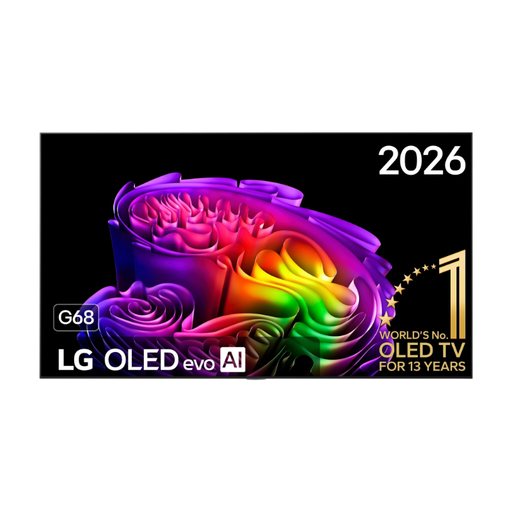
OLED77G68LW OLED TV
An OLED model to compare if dark scenes and viewing from different seats matter to you; the Consumentenbond says OLED TVs generally offer a wider viewing angle and deeper blacks.
The screen size is 77 inches. Measure the distance and check that this size will fit in your shared room.
View at Joybuy
 No image available
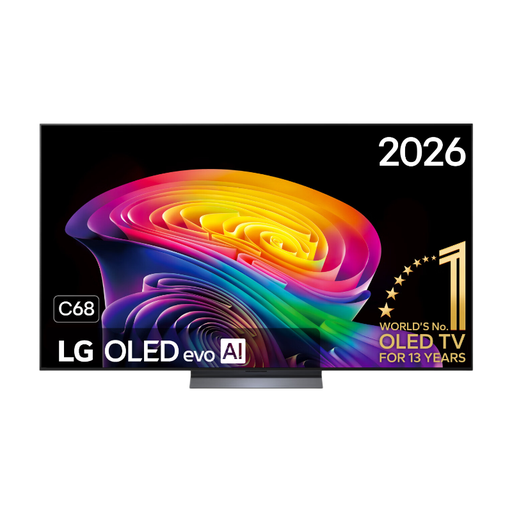
LG OLED65C68LA, 65-inch OLED evo AI C6 4K Smart TV
OLED is an option to compare for dark scenes and different viewing positions; the Consumentenbond says OLED TVs generally offer a wider viewing angle and deeper blacks.
This model is 65 inches and 4K. Check that the screen size suits your viewing distance and that the apps you want are available on this version.
View at Joybuy
No image available
LG OLED55C68LA, 55-inch OLED evo AI C6 4K Smart TV
This OLED model is worth comparing if you care about dark scenes and viewing from different seats; the Consumentenbond says OLED TVs generally offer a wider viewing angle and deeper blacks.
The screen size is 55 inches and the resolution is 4K. Measure from your seating positions and check that the apps you want are available on the exact model.
View at Joybuy
 No image available
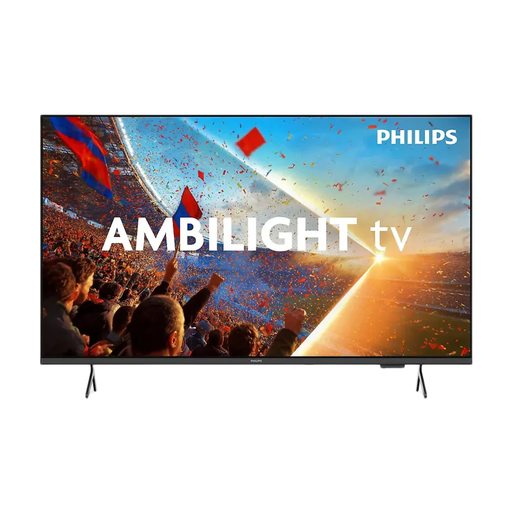
Philips 55PUS8001, 55-inch 4K TV
An LED-LCD model to compare if screen size and the streaming features you want are important. Assess the picture quality of the TV itself; 4K alone doesn’t guarantee it.
The product information lists an F energy rating for SDR and HDR. Factor this into your shared decision about electricity use.
View at Joybuy
 No image available
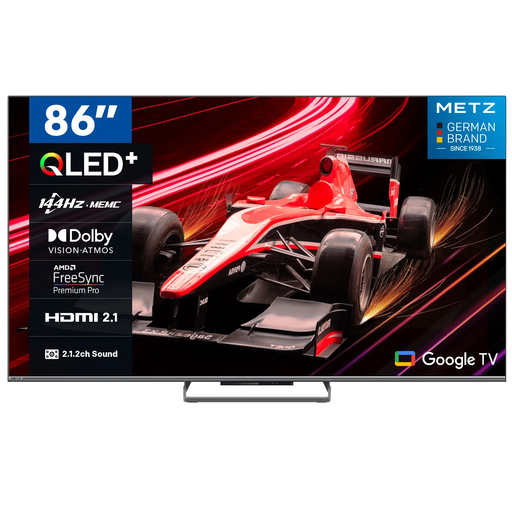
METZ 86MQE8000Z, 86-inch QLED Google TV
A QLED model to compare if you’re considering this technology and smart TV features; the QLED label alone doesn’t determine this TV’s picture quality.
The product name lists an 86-inch screen, 4K and HDR10+. Carefully measure your viewing distance and available space before choosing this screen size.
View at Joybuy
Frequently asked questions
How do you choose a screen size when not everyone sits in the same place?
Measure from your actual seating positions to where you plan to put the screen. The viewing distance of around 2.4 times the screen’s diagonal suggested by the Consumentenbond is a starting point; also consider nearby screen sizes and check the picture from seats to the side.
Do you need 4K to see more detail in every art documentary?
No, the 4K label alone doesn’t guarantee that you’ll see more detail. Ultra HD viewing also requires an Ultra HD signal, and according to the Consumentenbond, pixel count alone doesn’t tell you enough about picture quality. Check the picture quality of the source you use for documentaries.
What should you check before wall-mounting a TV?
Check the specifications and weight of the exact TV, the suitable bracket and the wall’s load-bearing capacity. Philips’ mounting advice for older models doesn’t automatically apply to other TVs.
How do you compare the energy use of TVs?
Compare the EU energy labels of TVs with a suitable screen size. The European Commission gives energy consumption in kWh per 1,000 hours and distinguishes between SDR and HDR. Actual consumption also depends on how the TV is used and its settings.
What warranty applies in the Netherlands, and can you change your mind about an online purchase?
According to the Dutch Government, there is no fixed statutory warranty period in the Netherlands: you’re entitled to a product that works as it should, and the seller is your point of contact if something goes wrong. For online purchases from a business, you’ll usually have a 14-day cooling-off period; check the terms of the specific purchase.


