
Art lover looking for subtle picture details
You want to assess the colours, contrast and details in works of art, and mainly watch in the evening. Remember to consider the quality of the documentary source too.


There’s no single screen technology that’s right for every room when watching art documentaries with guests. Consider the lighting, seating and how important clear dialogue is to you. In a usually dim room, OLED may suit your need for deep blacks and a wide viewing angle. If the lights tend to stay on, it’s worth comparing mini-LED LCD models too. Assess colour reproduction, reflections and dialogue on each model, and check that the screen size and source material suit your viewing space.
You want to assess the colours, contrast and details in works of art, and mainly watch in the evening. Remember to consider the quality of the documentary source too.
Your guests are spread around the room. Viewing angles and reflections matter, as well as the picture when viewed from directly in front of the TV.
You want to hear the spoken explanation clearly. An assessment of speech clarity tells you more about this than picture specifications alone.
A good fit when: the room is usually dim and guests also watch from an angle. The Consumers' Association generally notes that OLED offers deeper blacks and a wider viewing angle.
Bear in mind: reflections vary by model; OLED needs extra consideration if the same static image is displayed repeatedly for long periods.
A good fit when: the lights stay on or brightness is a priority. Compare the brightness and reflections of the specific models.
Bear in mind: LCD viewing angles are generally narrower than OLED ones, although results vary by model.
A good fit when: you want to follow the spoken explanation clearly. The Consumers' Association assesses speech clarity separately.
Bear in mind: an attractive picture or a quoted speaker power rating doesn’t prove that voices will sound clear.
| What to consider | What to look for when buying | Who should pay extra attention? |
|---|---|---|
| Colour, contrast and detail | Compare colour reproduction and contrast using familiar footage; check that the documentary is available in the resolution and HDR format offered. | If I want to assess shades and details in works of art, I look at colour and contrast. Around 36% of consumers prioritise subtle picture details. |
| Viewing angles and reflections | View the picture from the seats at either end of the room, with the lighting you’ll have on during the gathering. | If guests are watching from an angle, I want to know whether the picture remains clear from their seats. Around 29% of consumers prioritise seating that works for the whole group. |
| Speech clarity | Listen to spoken dialogue at a normal viewing volume and check the audio connections if you want to use existing audio equipment. | If I want to follow the commentary in a documentary, I pay attention to speech as well as the picture. Around 21% of consumers prioritise clear explanations. |
| Size, controls and energy use | Measure the viewing distance and available space, try out the controls and compare the EU energy label for SDR and HDR. | If the TV needs to fit in my room and I want to understand its running costs, I look at its dimensions, controls and energy label. Around 14% of consumers prioritise practical fit and energy use. |
QLED is an LCD TV with a backlight. The name alone won’t tell you how well blacks or viewing angles will perform in your room.
Compare the technologies and the specific models for viewing angle, contrast and brightness in the conditions you’ll be watching in.
Guests sitting to the side may see a different picture, while lights can cause reflections.
View the same content from the seats at either end of the room, with the lighting you’ll have on during the gathering.
Speech clarity varies from TV to TV and deserves separate consideration when you want to follow spoken explanations.
Listen to spoken dialogue and check the connections before relying on additional audio equipment.
A TV needs to suit your viewing distance and available space. The EU energy label lists energy use separately for SDR and HDR; installation may also be a consideration for your chosen set-up.
Measure your space, compare the label details of models with a suitable screen size, and check in advance what installation your set-up requires.
The Dutch OLED55C56LB is a 55-inch OLED TV with 4K resolution, making it relevant if you’re comparing OLED models for a dim room.
The Dutch QE55QN90FATXXN is a 55-inch Neo QLED mini-LED model to compare if you tend to leave the lights on.
According to Philips, the 55OLED810/12 combines a 55-inch OLED screen with Ambilight, for anyone who also wants to consider lighting around the screen.
The 55C6K is a QD mini-LED model with built-in ONKYO 2.1 sound, making it an LCD alternative to compare with OLED.
According to Sony, the Dutch K-55XR80 is a BRAVIA 8 OLED TV with 4K, HDR and Google TV.
This Joybuy selection features OLED TVs for anyone looking for a screen for art documentaries and evening viewing. Compare the size and listed picture formats of each model with your viewing space and documentary source.
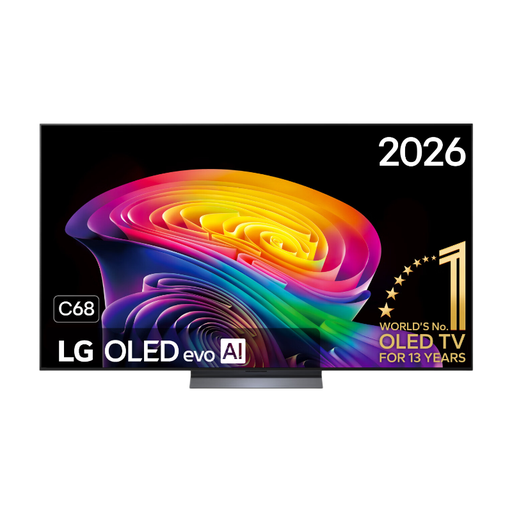 No image available
OLED is an option worth comparing if you mainly watch in dim light; also assess the picture from seats to the side.
The product name lists a 65-inch 4K OLED TV and Dolby Vision. The documentary source itself needs to offer the relevant picture format.
If the same static image is displayed regularly for long periods, OLED needs consideration for possible image retention.
No image available
This model is an OLED option to compare for evening viewing; check that the screen size suits your room and viewing distance.
The product name lists a 55-inch 4K OLED TV. If the same static image is displayed regularly for long periods, OLED needs consideration for possible image retention.
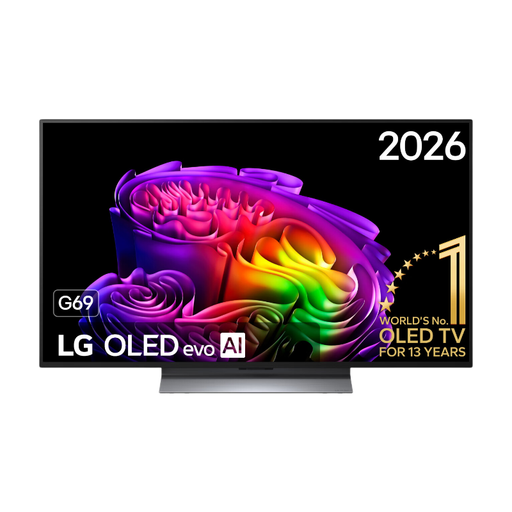 No image available
The 48-inch size makes this an OLED option worth comparing if available space is a consideration.
The product name lists 4K and Dolby Vision; the source itself needs to support the format you want to watch. If the same static image is displayed regularly for long periods, OLED needs consideration for possible image retention.
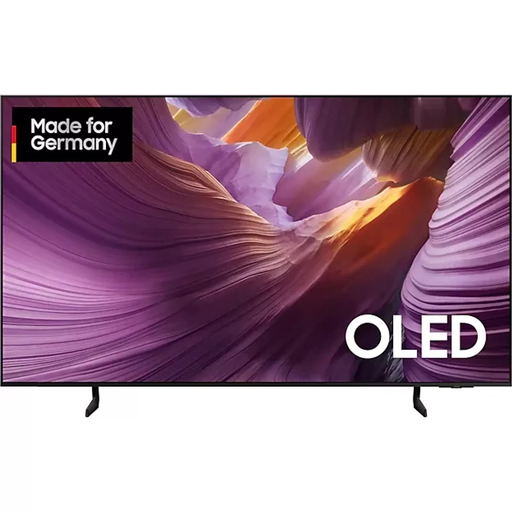 No image available
This 55-inch OLED option is worth comparing for evening viewing; check reflections and the picture from the side in your own room.
The product name lists a 55-inch OLED TV with 4K resolution. If the same static image is displayed regularly for long periods, OLED needs consideration for possible image retention.
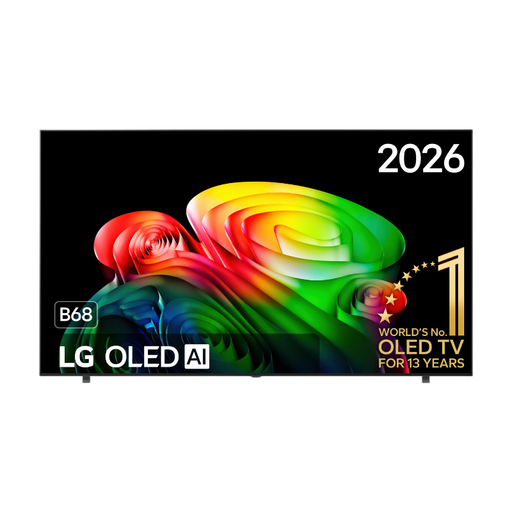 No image available
This OLED option has a 77-inch screen, so measure in advance to check it will fit your available space and viewing distance.
The product name lists 4K and Dolby Vision. The documentary source itself needs to offer the relevant format. If the same static image is displayed regularly for long periods, OLED needs consideration for possible image retention.
No, the documentary also needs to have been recorded and made available in 4K. The Consumers' Association notes that the difference compared with Full HD isn’t always easy to see in practice.
First, measure your viewing distance and the available space. The Consumers' Association suggests around 2.4 times the screen diagonal as a general viewing-distance preference, not a requirement. Once the TV is installed, assess the settings using familiar footage and the lighting you’ll have on while watching.
A short pause isn’t the same as displaying the same static image repeatedly for long periods. The Consumers' Association explains that image retention can occur on OLED screens; if it becomes permanent, it’s called burn-in. Bear this distinction in mind, particularly if static images are displayed regularly for long periods.
The EU energy label lists energy use for SDR and HDR, helping you compare models on that basis. Your actual electricity costs also depend on viewing time, settings and your electricity tariff, so the label alone won’t give you a figure.
No. According to ACM ConsuWijzer, if a product breaks too soon under normal use, the seller must offer an appropriate remedy free of charge. How long you can reasonably expect it to last depends on the product and the circumstances; there isn’t one fixed two-year period that applies to every TV.