When comparing TVs for watching architecture programmes in daylight, consider both reflection handling and brightness with regular TV content; a high HDR peak brightness figure alone doesn’t tell you how clearly details will remain visible. RTINGS often considers mini-LED LCD a sensible choice for bright rooms, while OLED can be appealing if you also watch in dim light and value deep blacks. Choose a screen size to suit your viewing distance, and compare the energy consumption of the exact model.
Who is this relevant for?
Daytime viewer dealing with window reflections
You watch architecture programmes when light from tall windows falls on the screen and want to follow the details without constantly closing the curtains. RTINGS highlights reflection handling as something to consider; Milieu Centraal notes that higher screen brightness uses more electricity.
Interior detail enthusiast
You pay attention to contrast, material textures and dark interiors, and also watch in dim light. RTINGS discusses the trade-offs between mini-LED and OLED; the Consumers’ Association also highlights reflections and viewing angle as factors to consider when choosing.
Viewer with several seating positions
You want a TV that suits your viewing distance and where you usually sit, without choosing a larger screen than your set-up requires. The Consumers’ Association recommends considering factors such as screen size and viewing angle when making your choice.
What should you look for when choosing?
Mini-LED LCD
Best suited to: mainly daytime viewing in a bright room; compare reflection handling and brightness with regular TV content for each model.
Trade-off: an HDR peak brightness figure doesn’t measure how visible regular programmes will be in your room.
OLED
Best suited to: you also watch in dim light often and deep blacks are important to you.
Trade-off: with OLED too, check how the specific model handles window reflections from where you sit.
Adjust your set-up first
Best suited to: the window is reflected directly in the screen; see whether you can move the TV or add light-blocking window coverings.
Trade-off: a higher brightness setting can use more electricity, so consider it alongside the amount of daylight in the room.
| What to consider |
What to look for when buying |
Who is this important for? |
| Visibility in daylight |
Consider where the windows are and compare reflection handling and brightness with regular TV content for the exact model. |
If I watch architecture programmes during the day, I want to follow the buildings and interiors without having to close the curtains every time. Around 36% of consumers give visibility in daylight their highest priority. |
| Detail in light and dark scenes |
Compare the exact models with both bright buildings and dark interiors; don’t treat HDR peak brightness as proof of performance in every scene. |
When I pay attention to contrast and material textures across different scenes, I want to weigh up the technology and model for each situation. Around 29% of consumers put picture detail first. |
| Screen size and viewing angle |
Measure your viewing distance, check the dimensions of the model and assess the picture from your usual seats. |
If I watch from different places, I want a screen that suits the room and where I sit. For around 21% of consumers, how well the TV fits the room is the top priority. |
| Power consumption |
Compare the energy label and consumption for the same size and model; bear the brightness setting in mind. |
When I use the TV often, I want to consider its power consumption alongside the viewing experience. Around 14% of consumers prioritise running costs. |
Things to watch out for when buying
-
Comparing only the highest figure in nits
An HDR peak brightness figure alone doesn’t tell you how visible a regular TV programme will be when there’s a window opposite the screen.
For the exact model, also compare information about reflections and brightness with regular TV content.
-
Assuming ‘Glare Free’ or mini-LED guarantees a reflection-free picture
A screen technology or model specification doesn’t tell you exactly how the light from your windows will fall on the screen in your living room.
Check where the windows are and compare reflection handling for each model; adjust your set-up if needed.
-
Choosing a larger screen or keeping it brighter without considering energy use
Screen size and brightness settings can affect energy consumption.
Choose a size that suits your viewing distance and compare the energy label for the exact model.
-
Confusing an extended warranty with your statutory rights
If there’s a problem with a consumer product, the seller is responsible for putting it right under the statutory guarantee, as explained by the Dutch Government.
Before choosing a paid extended warranty, check what additional rights it offers.
A paid extended warranty may cost you extra without offering additional rights that are relevant to your situation.
Brands to compare
Samsung
Samsung Netherlands lists the QN90F as a mini-LED LCD range in various sizes; Glare Free is listed as a model specification for the QE75QN90FATXXN reviewed here.
- The anti-reflection feature is listed for the model mentioned.
- The specification isn’t an independent measure of how it performs opposite your window. Check the exact size and model.
TCL
TCL Netherlands lists the 65C7K as a 65-inch QD mini-LED TV.
- For the C7K series, TCL states up to 2048 dimming zones and HDR 2600 nits.
- Maximum figures don’t necessarily apply to every size; HDR peak brightness doesn’t describe brightness with regular TV broadcasts.
LG
The Dutch OLED55G56LS from the G5 range is an OLED option to compare if you also watch in dim light and value deep blacks.
- LG describes individually controlled pixels and brightness adjustment.
- LG’s relative brightness claim doesn’t prove that this model handles reflections better than a specific mini-LED model.
Philips
The Dutch 65MLED910/12 combines mini-LED with Ambilight, making it worth considering if you also want ambient lighting behind your TV.
- Ambilight is a separate feature to factor into your choice.
- Philips’ claims about viewing in different lighting conditions don’t automatically tell you how the screen itself handles window reflections.
Xiaomi
The Xiaomi TV S Mini LED 55 2025 is a 55-inch mini-LED option for those comparing more compact sizes.
- For this model, Xiaomi lists 308 dimming zones and a peak brightness of 1200 nits.
- These are manufacturer specifications, not a measurement of brightness with regular TV programmes.
Joybuy TVs to compare
This selection includes OLED and QD mini-LED TVs in a range of screen sizes. Compare the listed screen technology and size with the light in your room, your viewing distance and how often you watch in dim light.
 No image available
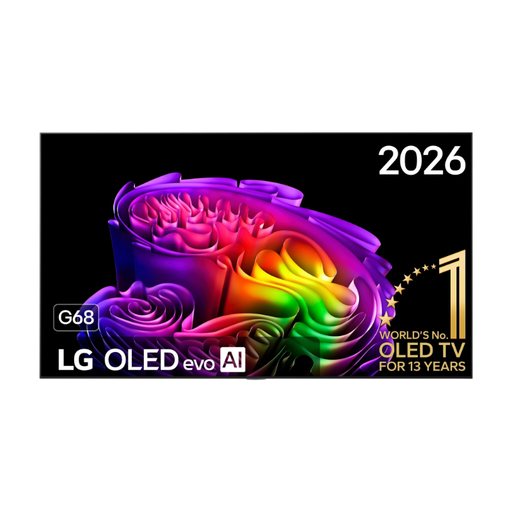
LG OLED55G68LW 55-inch OLED Evo AI G6 4K Smart TV
An OLED model to compare if you watch in dim light as well as daylight, and deep blacks matter to you; also check how it handles reflections where you sit.
55 inches; OLED Evo; 4K.
View at Joybuy
 No image available
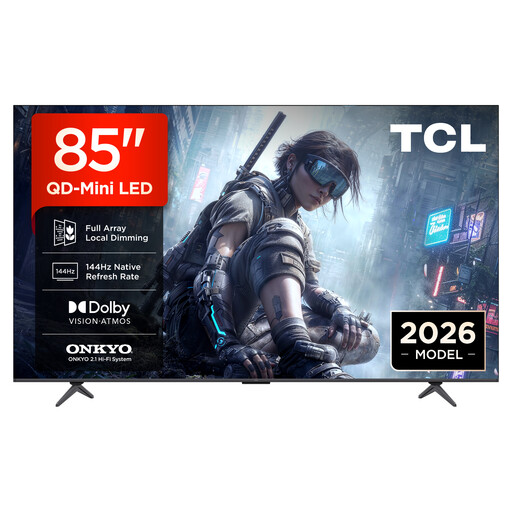
TCL T8D 85-inch 4K QD-Mini LED Smart TV
A large QD mini-LED screen to compare if your room and viewing distance suit an 85-inch TV; measure your set-up and check reflections for each model.
85 inches; QD-Mini LED; 4K.
View at Joybuy
 No image available
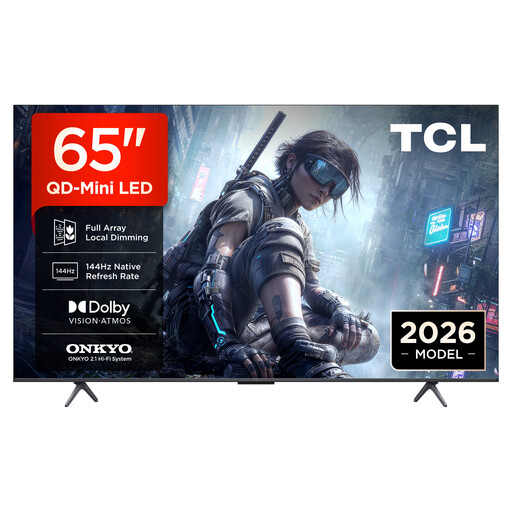
TCL 65T8D 65-inch 4K QD-Mini LED TV
A 65-inch QD mini-LED option to compare for daytime viewing; assess reflections and brightness with regular content in relation to the position of your windows.
65 inches; QD-Mini LED; 4K.
View at Joybuy
 No image available
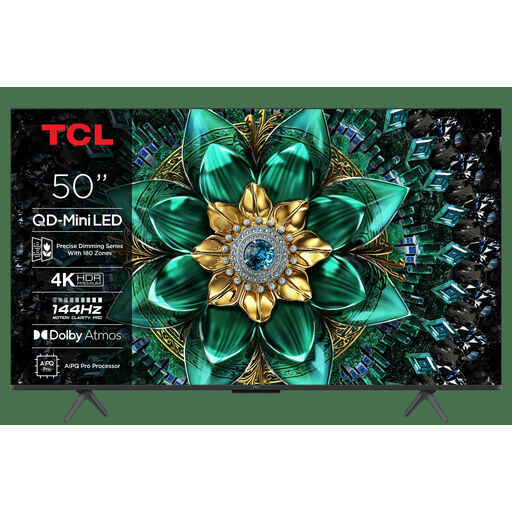
TCL 50Q6C 50-inch 4K QD-Mini LED TV
A 50-inch QD mini-LED model to compare with larger sizes if your viewing distance or room calls for a more compact screen.
50 inches; QD-Mini LED; 4K; HDR 1000 nits listed in the product title; energy label E listed in the product title.
View at Joybuy
 No image available
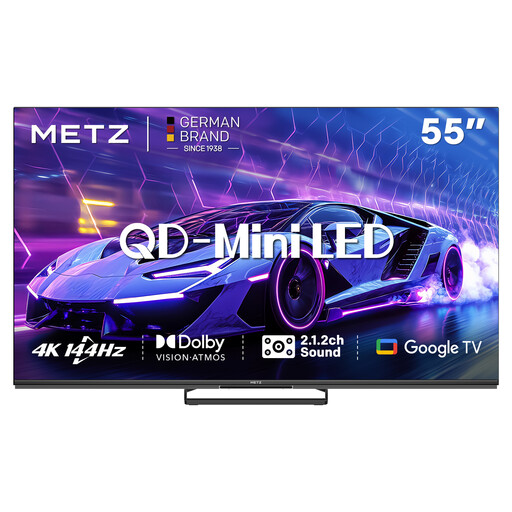
METZ 55MNE8000Z 55-inch QD-Mini LED Google TV
A 55-inch QD mini-LED model to compare if this size suits your viewing distance; check reflections and brightness with regular content for the exact model.
55 inches (140 cm); QD-Mini LED; 4K.
View at Joybuy
Frequently asked questions
Is high HDR peak brightness enough for watching architecture programmes during the day?
No. Also compare reflection handling and brightness with regular TV content. A model’s HDR peak brightness figure doesn’t measure how your programmes will look in your room.
What can you do about light from windows when positioning your TV?
See if you can place the TV where the window won’t be reflected directly in the screen. Then adjust the brightness to suit the daylight; a higher setting uses more electricity.
What does the statutory guarantee mean for a TV in the Netherlands?
When you buy a product as a consumer, you’re entitled to one that meets the terms of the agreement. If there’s a problem, the seller is responsible for putting it right; a manufacturer’s guarantee or extended warranty doesn’t replace this statutory right.
Is an energy label required, and what happens to your old TV?
Televisions must have an energy label. If you buy a new, similar TV as a private customer, the seller must take back your old appliance free of charge under the one-for-one take-back scheme, including when you buy online.


