
Watching together from different seats
You host film nights where not everyone sits directly in front of the TV. In that case, viewing angle and reflections may matter more than how impressive the picture looks straight on.


First, measure the viewing distance and check potential TVs from the seats your housemates actually use. Then compare each model’s viewing angle, reflections, the apps you want and its energy consumption. OLED may be a good fit if deeper blacks and visibility from the side matter to you, while LCD/QLED is worth comparing if brightness and the shared cost are higher priorities.
You host film nights where not everyone sits directly in front of the TV. In that case, viewing angle and reflections may matter more than how impressive the picture looks straight on.
You’re looking for a screen that suits the room and whose running costs matter too. So, alongside the screen size, check the model’s energy consumption.
When watching animated films, you pay attention to contrast and colour, but you don’t want to confuse the technology with the picture performance of a particular TV.
Start with the room and viewing distance, then compare the picture quality and connections of specific models.
May be a good fit if: the room is often bright or your housemates place a lot of importance on the shared cost; compare the models from the side seats too.
Bear in mind: QLED is a type of LCD and doesn’t, by itself, guarantee a wide viewing angle or deep blacks. Consumentenbond explains that LCD TVs can often be brighter, while their viewing angle is generally more limited.
May be a good fit if: deep blacks and visibility from different seats are important, and the shared cost fits your budget.
Bear in mind: Consumentenbond says OLED TVs generally offer a wider viewing angle and deeper blacks. The risk of burn-in is also worth considering if you leave a static image on screen for a long time. Compare the energy consumption of the specific model.
| What to consider | What should you check? | Who does this matter to? |
|---|---|---|
| View from the seats | Compare the viewing angle and reflections of the specific model. Think about where the chairs and windows are. | If we watch together from the sofa and chairs to the side, we want to enjoy the picture from all those spots. Around 27% of consumers say visibility from different seats is their top purchasing priority. |
| Screen size and shared cost | Measure the viewing distance and available space; compare nearby screen sizes and the overall dimensions, including the stand. | If we’re sharing the cost, we want a screen size that suits the room and viewing distance. Around 27% of consumers put screen size and the shared purchase cost first. |
| Contrast and colour | Compare reviews of the specific model and watch both light and dark scenes in conditions similar to your room. | If picture quality matters a lot to us, we want to know how the chosen TV performs for contrast and colour. Around 20% of consumers say picture quality is their top purchasing priority. |
| Streaming and connections | Check that the apps you want are available on the specific model and count how many HDMI connections you need. | If we use different devices and streaming services, we want to know whether everything can be connected and played straight away. Around 13% of consumers prioritise access to films and devices. |
| Energy consumption | Compare the consumption in kWh per 1,000 hours on the energy label for the models you’re considering. | If the TV is often on, we also want to consider its energy consumption when sharing the running costs. Around 13% of consumers say energy consumption is their top purchasing priority. |
Consumentenbond highlights viewing distance, viewing angle and picture technology as factors to consider. Milieu Centraal recommends comparing the consumption per 1,000 hours shown on the energy label.
QLED is a type of LCD. Viewing angle, contrast and reflections vary between models, so the name alone won’t tell you what the picture looks like from the side seats.
Compare the picture performance of the specific TV and view it from the seats you’ll usually use.
A large screen won’t automatically suit the viewing distance or available space. Screen size and settings can also affect energy consumption.
Measure the distance from your usual seat and check that the TV, including its stand, will fit in the planned spot. Compare the energy labels of the models.
Not every streaming app is available on every model, and apps can disappear from smart TVs. A separate media player may be an alternative if an important app stops working later on.
Before buying, check that the apps you want are available on the specific model and think about which devices your housemates want to connect.
TVs in the same series can have different screen sizes and model codes, so a matching series name doesn’t prove that they’re the same version.
Before buying, compare the full model code, screen size and specifications of the version you’re considering.
LG lists the OLED55B46LA as a 55-inch OLED model, making it a specific option to compare if you’re considering OLED.
Samsung lists the QE50Q7F2AUXXN as a 50-inch QLED TV. You can include it when comparing LCD/QLED options for a smaller space.
Philips lists the 55PUS8500/12 as a 55-inch 4K QLED TV with Ambilight and Titan OS. These features are relevant if you want to compare this particular version.
This selection from Joybuy includes OLED and LCD TVs to compare for animated films and shared use.
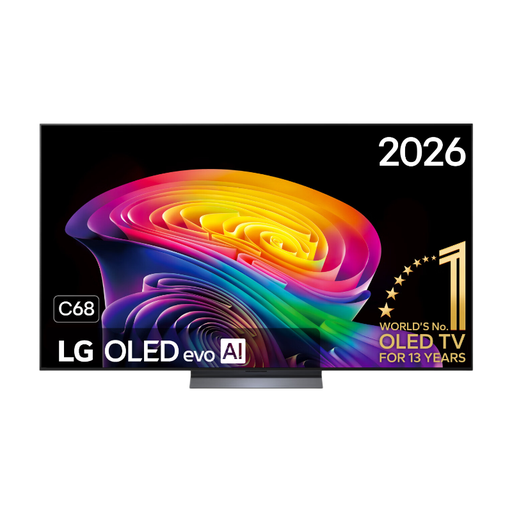 No image available
An OLED option to compare if you’re looking for a TV for animated films.
65-inch OLED Evo AI C6 4K Smart TV.
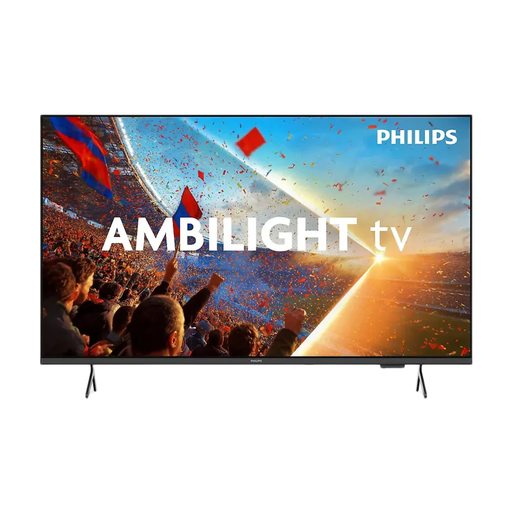 No image available
An LCD TV to compare with other sizes when considering the available space and viewing distance.
55-inch 4K.
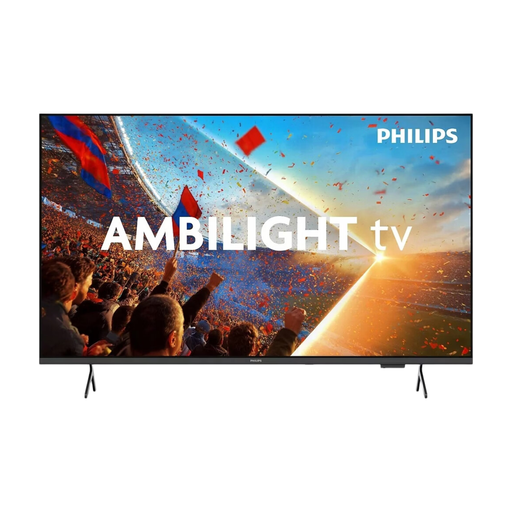 No image available
A smaller LCD screen size to compare if space or viewing distance is a factor.
43-inch 4K.
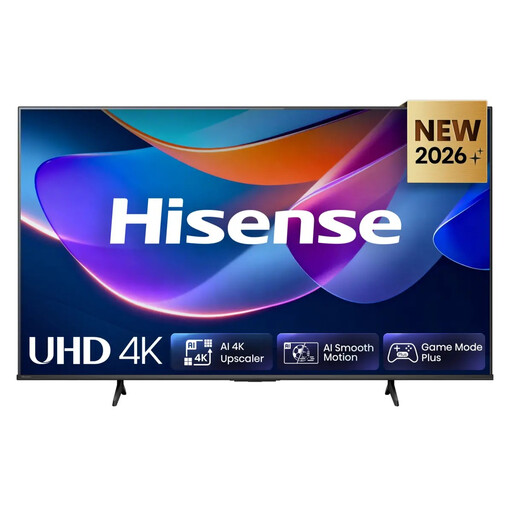 No image available
An LCD TV to compare if you’re looking for a 55-inch model for films.
4K UHD, 60 Hz, Dolby Vision and VIDAA.
 No image available
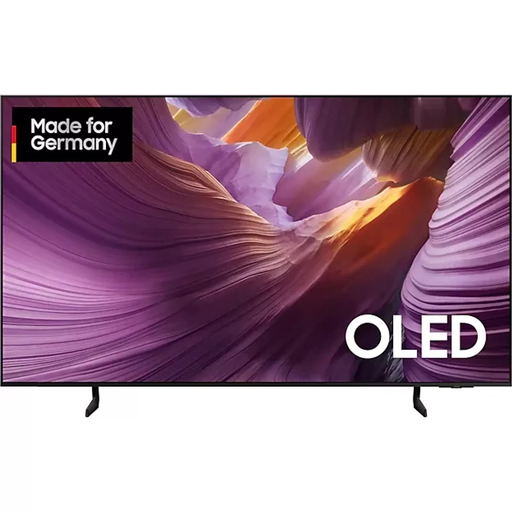
An OLED option to compare if you’re weighing up picture quality and screen size together.
55-inch OLED 4K.
Measure the distance in centimetres from your usual viewing position to the planned TV spot. Consumentenbond uses the distance divided by 2.4 as a starting point for the screen diagonal in centimetres, and recommends looking at nearby screen sizes too.
No, continued availability isn’t guaranteed. Before buying, check that the apps you want are available on the specific model; a separate media player may be an alternative if an important app disappears later on.
Set the screen brightness to a level that’s comfortable in the room and compare the available settings. According to Milieu Centraal, higher brightness increases energy consumption.
According to the Dutch government, there is no fixed statutory warranty period in the Netherlands: you’re entitled to a product that works properly and, if it’s faulty, an appropriate remedy at no cost. Damage caused by your own actions and normal wear and tear aren’t automatically covered.
For distance purchases, a 14-day cooling-off period applies in many cases. The Dutch government lists some exceptions; check the seller’s information for your specific purchase.