
Film fan watching from bed
Wants a screen that suits the distance between the bed and TV, while leaving enough space in the bedroom. The Consumentenbond uses viewing distance as a starting point for choosing screen size.


First, measure the distance from your eyes in bed to where the screen will go. Then choose a size that also fits the room. A 42- or 43-inch TV could be an option, but there’s no one-size-fits-all choice for every bedroom. Next, compare picture quality and reflections in your lighting conditions: OLED may be worth considering for dark film scenes, while LCD variants offer different features and costs. Also check streaming service and HDR support, how clear the dialogue is, and the energy consumption of the exact model.
Wants a screen that suits the distance between the bed and TV, while leaving enough space in the bedroom. The Consumentenbond uses viewing distance as a starting point for choosing screen size.
Compares contrast, colour and reflections when watching animated films, without treating screen technology alone as proof of overall picture quality.
Wants to stream films using their own apps, while also considering clear dialogue and the TV’s energy consumption.
A good fit if: you mainly watch in the evening, dark film scenes matter to you, and the size suits your viewing distance.
Bear in mind: reflections and energy consumption vary by model. Leaving an unchanged image on screen for a long time can cause image retention; the Consumentenbond’s earlier expectation is not a prediction for a current model.
A good fit if: you want to compare models with different screen features and purchase prices, for example for a bedroom that also gets daylight.
Bear in mind: QLED and Mini LED are LCD variants; the technology name alone doesn’t tell you how well a specific model handles contrast, reflections or sound.
A good fit if: you want lighting behind the screen as part of your viewing experience and your bedroom layout suits it.
Bear in mind: Ambilight is no substitute for choosing a suitable screen size or assessing the picture quality of the specific model.
| What to consider | What should you check? | Who should pay extra attention? |
|---|---|---|
| Size and placement | Measure the distance from your eyes in bed to where the screen will go, and check the TV’s overall dimensions, including the stand. The Consumentenbond suggests around 2.4 times the screen diagonal as a starting point for viewing distance. | If I watch from bed, I want to be able to follow the picture comfortably without the TV dominating the room. Around 25% of consumers prioritise a size that suits their viewing distance and available space. |
| Film picture and reflections | Compare picture and reflection ratings for the specific model, and consider whether you’ll mainly watch in the dark or in daylight too. | If you judge animated films mainly on colour, contrast and visibility under your bedroom lighting, pay extra attention to this; around 25% of consumers put film picture quality first. |
| Purchase and running costs | Compare the same model code and check the energy label and, where available, the SDR and HDR data in EPREL. | If extra picture features are only worth it to me when the cost makes sense, I also compare expected energy use. Around 20% of consumers make cost their top priority. |
| Streaming and HDR | Check that the app you want is available on the specific model and that the TV supports the HDR format used by the film or service. | If you want to watch films directly on the TV using your own streaming services, you’ll want to know whether the app you need and your preferred picture format will work. Around 15% of consumers put streaming first. |
| Dialogue and audio | Check the sound rating for the specific model and look at the connections for headphones or external audio, if needed. | If I want to hear dialogue clearly from bed or use my own audio set-up, I check the sound separately from picture quality. Around 15% of consumers make sound their main concern. |
The ideal screen diagonal depends partly on your viewing distance and the space available for the TV.
Measure the distance from where you usually watch and check the screen’s overall dimensions. Use a viewing-distance rule as a guide, not a fixed requirement.
QLED and Mini LED are LCD variants. A technology name alone doesn’t give you a complete picture of an individual TV’s picture quality, reflections or sound.
Before you decide, compare reviews of the specific model for picture quality, reflections and sound.
Support depends on the format, the TV and the film or streaming service you use.
Check the film or service you want to watch against the specifications for the full model code.
A bright picture doesn’t tell you how clear the dialogue will be. Energy use and audio connections are also separate things to consider.
Check the sound rating for the specific model, along with its energy label and the connections you need. Bear in mind that an external audio set-up may require extra equipment and space.
The OLED42C68LA is a compact OLED option to compare if picture quality for evening viewing is a priority.
According to Samsung Service NL, the QE43QN73HAUXXN is a 43-inch Neo QLED model to compare with other compact LCD TVs.
The 43PUS8001/12 is a compact 4K TV with Ambilight as a separate viewing feature to consider when choosing.
According to TCL, the TCL C655 series includes the 43C655, a QLED model to compare with other compact TVs.
The 43E7S appears on a Consumentenbond list of compact TVs tested, and could be considered as another LCD option.
This selection includes TVs from 32 to 86 inches, with a range of screen technologies. Measure your viewing distance and the space available before choosing a model; screen size alone doesn’t determine whether a TV will suit your bedroom.
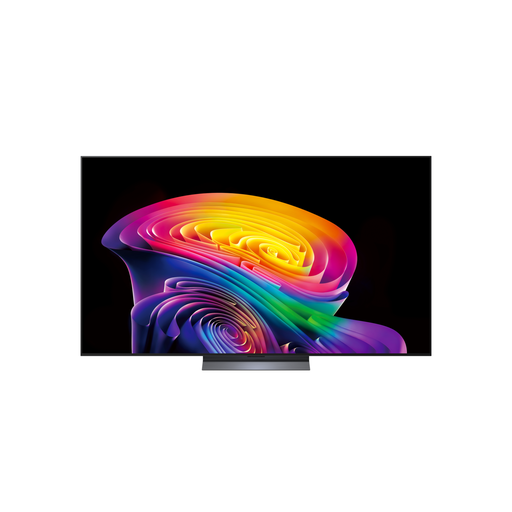 No image available
A compact OLED option if dark film scenes matter to you; also compare reflections and reviews of the specific model.
42 inches, 4K Ultra HD and OLED.
The product name lists Dolby Vision, HDR10 and Dolby Atmos.
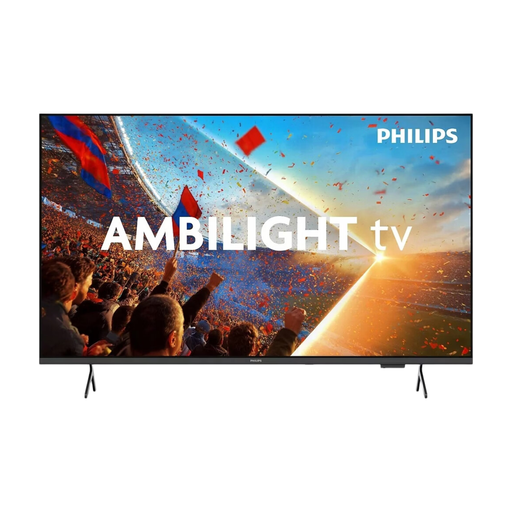 No image available
An option to compare if you’d like Ambilight for watching films; consider screen size and picture quality separately too.
43 inches and 4K; Philips lists Ambilight for this model.
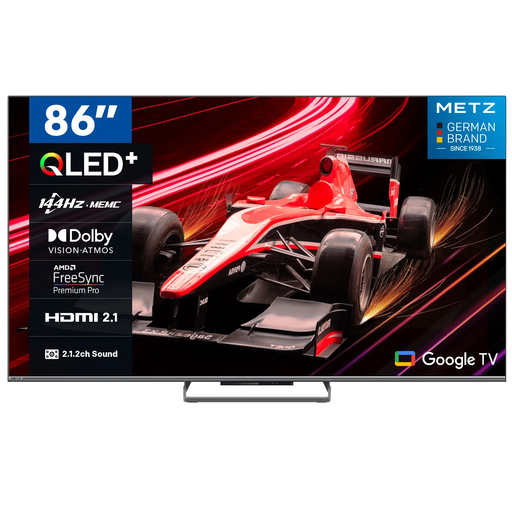 No image available
Only consider this version if your measured viewing distance and available space are suitable for an 86-inch screen.
86 inches, QLED, 4K and HDR10+.
The product name lists Dolby Vision Atmos and a 2.1.2 sound system.
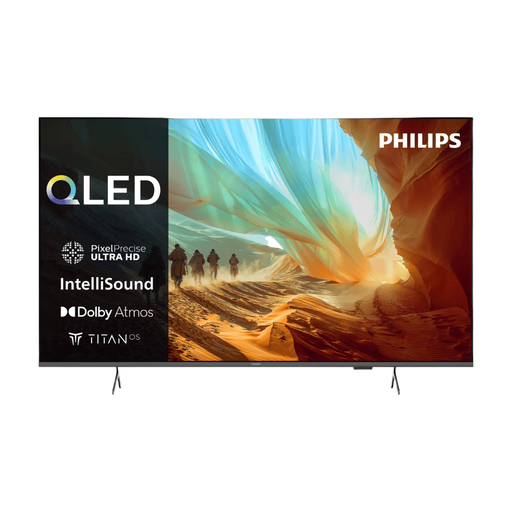 No image available
A 43-inch QLED option to compare if that screen diagonal suits your viewing distance and bedroom.
43 inches, 4K and QLED.
 No image available
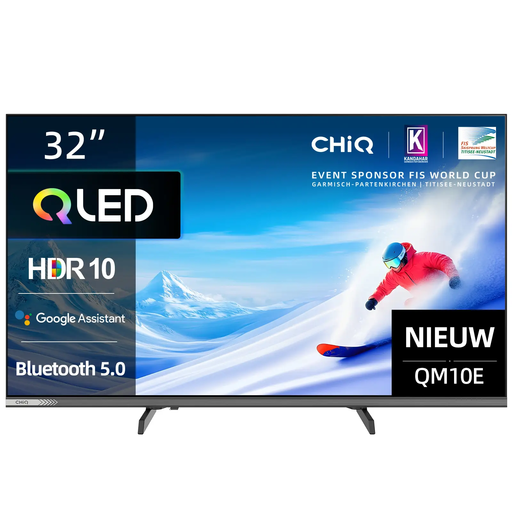
The 32-inch screen could be an option if you’re looking for a smaller TV; check the distance from your bed and the space available.
32 inches, QLED and Google TV.
Measure from your eyes in your usual viewing position to where the screen will go. The Consumentenbond suggests around 2.4 times the screen diagonal as a starting point, not a fixed requirement; also check the TV’s overall dimensions and the space available.
Only if you want to watch a film or use a service with Dolby Vision in that format. Not every HDR TV supports it, so check both the specific model and the film or service.
Start with the home setting and adjust the picture to suit your bedroom. According to the Consumentenbond, shop settings are often brighter and more vivid than you need at home.
Check the energy label and, where possible, compare the model’s SDR and HDR data in the European product database, EPREL. Your actual costs also depend on how you use the TV and your own electricity tariff.
When you buy as a consumer in the Netherlands, you’re entitled to a product that meets what you can reasonably expect; the seller is your point of contact. The Netherlands does not have one fixed statutory guarantee period for all products. Online purchases from a business generally also come with a 14-day cooling-off period; check the terms that apply to your purchase.