What should you look for when buying?
First, measure the viewing distance and available space. Then compare screen technology, picture quality from side seats and sound at a volume everyone is happy with.
| What to consider |
What should you check? |
Who should pay particular attention? |
| Dark film scenes |
Compare panel types and black levels in dim light; check the HDR formats supported by the exact model and source. |
If we mostly watch in the evening, I want dark scenes in films to look their best. Around 25% of consumers give contrast in dark films top priority. |
| Viewing angle |
Map out the seating positions and assess the model from the widest side angle you have at home. |
If my housemates watch from a side seat, I want a usable picture there, too. Around 25% of consumers prioritise picture quality from different seats. |
| Daylight and reflections |
Consider the position of windows and lamps in relation to the screen and seating; compare the brightness and reflections of the specific model. |
When watching films during the day, I want to see the picture clearly without overlooking the effect of windows and lamps. Around 20% of consumers make daytime viewing their top buying priority. |
| Size and energy consumption |
Measure the viewing distance and the space available for the screen and stand; compare the energy labels of the models you’re considering. |
If we share the TV and split the electricity bill, I want a size that suits the room without losing sight of running costs. Around 15% of consumers prioritise the right size and running costs. |
| Clear sound |
Listen at the agreed volume; check the connections only if you plan to use an external sound system. |
If dialogue needs to be clear without disturbing my housemates, sound at a manageable volume matters to me. Around 15% of consumers give this need top priority. |
The Dutch Consumers’ Association suggests dividing the measured viewing distance in centimetres by 2.4 to get a starting point for the screen diagonal in centimetres. Measure the available width, too; this rule of thumb won’t automatically tell you which size will feel right for you.
TVs for shared film nights at Joybuy
This selection includes OLED TVs and LCD models with QD mini-LED or mini-LED, in a range of screen sizes. Compare the size and technology with the light in your living room and your seating positions.
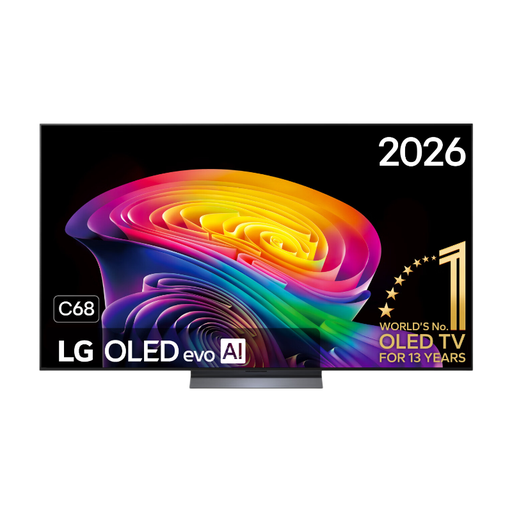 Image unavailable
LG OLED65C68LA OLED evo AI C6 65-inch 4K Smart TV
An option to compare if you mostly watch films in dim light and are considering an OLED TV.
The product name lists OLED, 4K and a refresh rate of 120 Hz, with VRR up to 165 Hz.
The general risk of OLED burn-in remains a consideration if the same static images are displayed for long periods. RTINGS.com based the research cited on extreme static use; it doesn’t predict what will happen with varied film viewing.
View at Joybuy
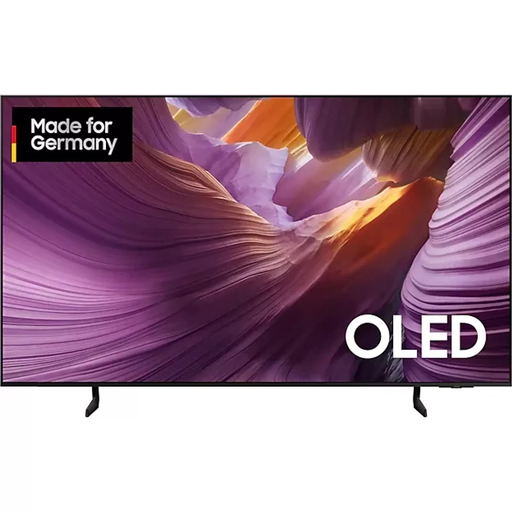 Image unavailable
Samsung S85F Series GQ55S85FAU 55-inch 4K OLED TV
A 55-inch OLED option to compare if dark film scenes matter to you and this size suits your viewing distance.
The product name lists a 55-inch OLED screen with 4K resolution.
The general risk of OLED burn-in remains a consideration if the same static images are displayed for long periods. RTINGS.com based the research cited on extreme static use; it doesn’t predict what will happen with varied film viewing.
View at Joybuy
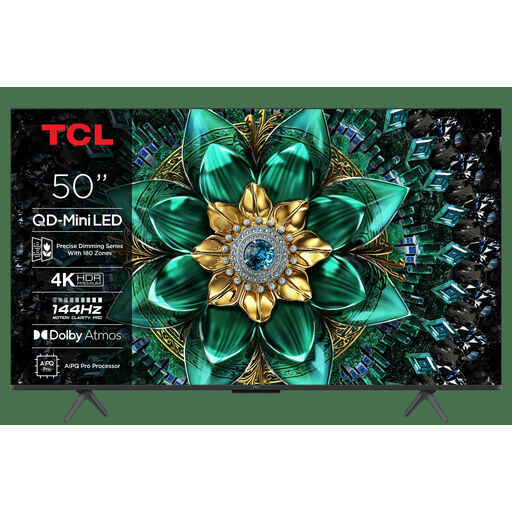 Image unavailable
TCL 50Q6C 4K QD mini-LED TV
A mini-LED option to compare if you often watch during the day; check reflections and picture quality from side seats, too.
The product name lists 4K HDR, 1000 nits, Dolby Vision IQ, Dolby Atmos and a refresh rate of 144 Hz.
RTINGS.com’s general comparison looks at technologies and isn’t a test result for this specific model.
View at Joybuy
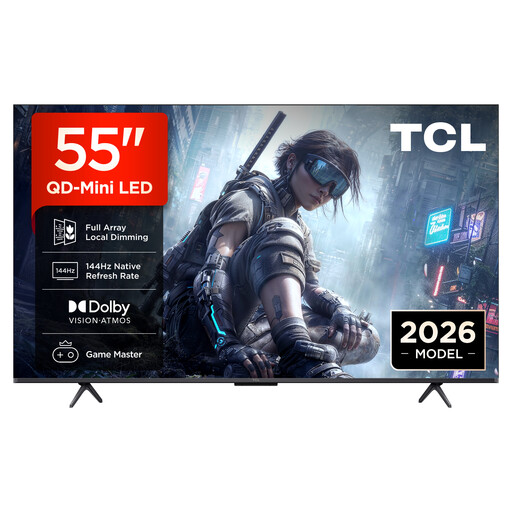 Image unavailable
TCL 55T8D 55-inch 4K QD mini-LED TV
A 55-inch mini-LED model to compare if you also watch during the day; check the picture from side seats as well.
The product name lists 4K, Dolby Vision, HDR10+, Dolby Atmos and 144 Hz VRR.
RTINGS.com describes mini-LED as a technology worth considering for bright rooms; this isn’t an independent review of this specific model.
View at Joybuy
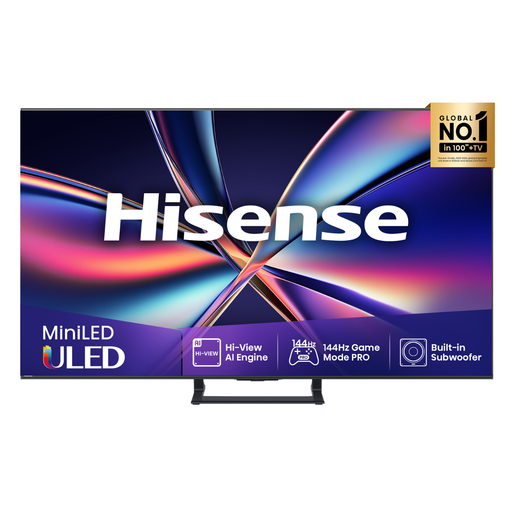 Image unavailable
Hisense 75E8Q 75-inch 4K mini-LED TV
A 75-inch option to consider if housemates watch from different seats and your room has space for this size.
The product name lists 4K, mini-LED and 144 Hz. The product information mentions a wide viewing angle; check it from the side seats you use at home.
RTINGS.com’s general comparison looks at technologies and isn’t a test result for this specific model.
View at Joybuy
Frequently asked questions
How do we choose the right screen size for our living room?
Measure the distance from your eyes to the screen from a seat you normally use. The Dutch Consumers’ Association suggests dividing the viewing distance in centimetres by 2.4 as a starting point for the screen diagonal in centimetres. Also check that the TV and stand will fit in the space available.
Does a TV for adventure films have to support 120 or 144 Hz?
No, not necessarily. According to the Dutch Consumers’ Association, higher refresh rates and image processing can make movement look smoother, but processing can also cause picture artefacts. Try a familiar film scene with the settings you prefer.
What can we do if dialogue is hard to hear at a normal volume?
First, listen to the TV’s sound at the volume you’ve agreed with your housemates. The Dutch Consumers’ Association notes that a soundbar can improve sound quality. If you’re using an external sound system, check the connections you’ll need and agree on a listening volume together.
What should we consider when choosing OLED for a shared household?
Where possible, avoid displaying the same bright, static image for long periods. RTINGS.com studied extreme static use; this research doesn’t prove that varied film viewing will have the same result.
If we buy a TV online, do we have a cooling-off period and a legal guarantee?
For a standard online purchase in the Netherlands, you’ll generally have up to 14 days after delivery to change your mind, subject to legal exceptions. The product must also meet the standard you could reasonably expect with normal use. Contact the seller if it breaks too soon. There isn’t a fixed two-year legal guarantee for every TV.


