
Vandaag of morgen in huis

Kwaliteit gegarandeerd

Welkomstaanbiedingen ontgrendelen: GRATIS bezorging | Tot 80% korting | Gratis 30 dagen JoyPlus-proefperiode
Download de app
When buying Turkish sweets and snacks online, you will quickly encounter eye-catching packaging, familiar brand names and terms such as “traditional” or “authentic”. Yet these words do not always tell you what you are actually buying. The real differences often lie in the ingredients list, net weight, shelf life and the way you intend to use the product.
For Turkish households, lovers of Turkish cuisine and anyone looking to buy Turkish delicacies online, these are the key points to consider.
A 500-gram bag may seem appealing for guests or a festive occasion, but sweets can dry out more quickly or lose their texture after opening. Compare the net contents, number of servings and recommended storage method. A smaller package may be more practical if you only enjoy something sweet occasionally.
In confectionery, a fruit flavour often comes from flavourings, colourings or fruit and plant concentrates. Always check the ingredients. For example, Bebeto S Strawberry 300g lists glucose syrup, sugar, corn starch, beef gelatin, food acids and fruit and plant concentrates. The strawberry flavour is therefore part of the product formulation and does not indicate that the sweets are largely made from strawberries.
“Turkish product” alone says nothing about whether something is suitable for a particular diet. Pay attention to:
The packaging and current product information take precedence. If in doubt, it is better not to serve the product to someone with an allergy.
Many Turkish sweets, lokum and fruit-filled confectionery contain sugar or glucose syrup as their main ingredient. That is typical for this product category, but comparing products per 100 grams helps you assess them fairly. Check:
Koska Turkish Delight with Pomegranate 500g, for example, lists sugar, starch, water and pomegranate among its main ingredients. Koska pistachio lokum contains sugar, glucose syrup, corn starch and pistachios, among other ingredients. As a result, its flavour and texture differ noticeably from hard Turkish sweets or fruit gummies.
Lokum, also known as Turkish delight, has a soft, chewy texture. It pairs beautifully with Turkish coffee and tea and works well for entertaining or gift hampers. Hard sweets such as Sera Akide Şekeri are individually wrapped, making them convenient to share. Fruit gummies and sour sweet mixes are better suited to a casual treat.
Consider what you are buying for:
Almost all of the sweets mentioned should be stored in a cool, dry place away from direct sunlight. Seal the packaging carefully after opening. Lokum can become sticky in warm conditions and dry out if it is not properly sealed. Dates also retain their pleasant texture for longer when stored dry and airtight.
Also look out for product-specific instructions. Some items may need to be refrigerated. Always follow the label on the packaging, especially after opening.
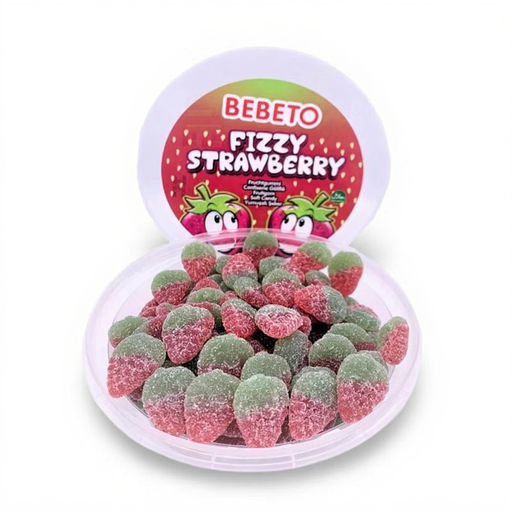
Why it’s a good fit: A 300-gram package is ideal for anyone who wants to try a familiar fruit flavour without immediately committing to a larger assortment.
The product information lists the ingredients and indicates a possible presence of gluten. Also check the packaging for gelatin and up-to-date allergen information.
300-gram contents; 377 kcal and 46 grams of sugars per 100 grams according to the listed nutritional information.
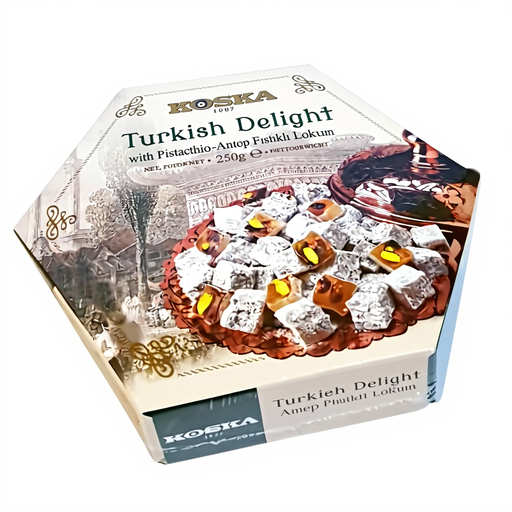
Why it’s a good fit: The combination of soft lokum and pistachios is a natural match for Turkish coffee, tea and thoughtfully assembled gift hampers.
The packaging lists pistachios as an ingredient. Check the label carefully if you have a nut allergy, even when general allergen information is limited.
250-gram package; pistachios clearly listed as an ingredient; ideal for serving with hot drinks.

Why it’s a good fit: One kilogram of dried dates is versatile enough for entertaining, baking, breakfast and filling gift hampers.
According to the product description, the ingredients list contains 100% dried dates, with no added sugar or preservatives. Check the current packaging for confirmation.
1 kg net contents; suitable for snacking, granola, smoothies and baking; store in a dry place.
For Bebeto products showing an older stated best-before date, pay particular attention to the current packaging. A date displayed online does not automatically apply to every stock batch.
Browse a current selection of Turkish fruit sweets and compare flavours, package sizes, ingredients and occasions before ordering.
Lokum is a soft, elastic sweet made from ingredients including sugar, starch and water. Pistachios, almonds, hazelnuts or fruit flavours are often added. Other Turkish sweets may be hard, gummy, sour or individually wrapped.
It depends on the product. In most cases, store sweets and lokum in a cool, dry place in a sealed container or package. Look out for stickiness, drying, changes in smell and the date on the packaging. Always follow the manufacturer’s storage and usage instructions.
You cannot determine this solely from the country of origin. Check the ingredients and any halal certification or statement. Gelatin, flavourings and processing aids deserve particular attention. When in doubt, the label or an official product listing should be treated as the definitive source.
