
Vandaag of morgen in huis

Kwaliteit gegarandeerd

Welkomstaanbiedingen ontgrendelen: GRATIS bezorging | Tot 80% korting | Gratis 30 dagen JoyPlus-proefperiode
Download de app
Anyone buying Turkish and halal sweets online will usually want to compare options quickly: something to enjoy with coffee, a sharing platter for guests, a gift or individual snacks for the journey. However, attractive packaging does not tell you everything. With international products in particular, it is important to check the ingredients, allergens, portion size and shelf life before placing your order.
A product with “halal” in its name may look appealing, but always check the product page and packaging. Look out for ingredients such as gelatine, flavourings, fats and emulsifiers. Some products include a halal claim in the product name without naming a certifying organisation. Treat the claim as information provided by the seller and check the label if you are unsure.
Biscuits and chocolate wafers may also contain milk, soya, egg and gluten. “Halal” does not automatically mean that a product is suitable for someone with an allergy or intolerance.
“Pistachio”, “honey” or “chocolate” does not tell you how much of that ingredient the product actually contains. For example, Anatolia Antep pistachio baklava lists 11% pistachio. Anatolia walnut baklava also contains 11% walnut. Percentages like these make it easier to compare products fairly.
For lokum with almonds, the ingredients list shows 4% almond and 1% coconut. The name therefore refers to the flavour combination, while the product is mainly made from sugar, corn starch and water.
Baklava is more delicate than dry Turkish biscuits. Check the best-before date, storage instructions and condition of the packaging. Many dry snacks should be stored in a cool, dry place away from direct sunlight. Once opened, sealing the packaging properly helps prevent moisture and loss of quality.
Pay attention to portion sizes, too. A multipack such as 60 g × 12 is convenient for sharing or keeping in stock, while a 72- or 96-gram bag is better suited to a single snacking occasion.
Start with the full ingredients list rather than the front of the packaging. Look in particular for:
According to the product information provided, the Ulker Halley Chocolate Marshmallow Biscuit contains, among other ingredients, beef gelatine, milk, egg, soya and hazelnut. If you are specifically looking for halal biscuits, it is worth checking each product to ensure that the ingredients and any certification meet your own requirements.
Nutritional values per 100 grams make different categories easier to compare. Taiyo Baumkuchen Honey, for example, lists 188.5 kcal, 9.6 grams of fat and 21 grams of sugars per 100 grams. Anatolia pistachio baklava lists 461 kcal, 22.7 grams of fat and 42.6 grams of sugars per 100 grams.
That does not mean you need to rule out a product. It does help you choose a suitable portion for the occasion: a small piece of baklava with tea, an individually wrapped cake for the journey or a biscuit when visiting friends.
Choose according to the situation:
The packaging can tell you a great deal here. A box with 12 portions is practical for a family or gathering. A 200-gram baklava product is more manageable when you want to combine different flavours.
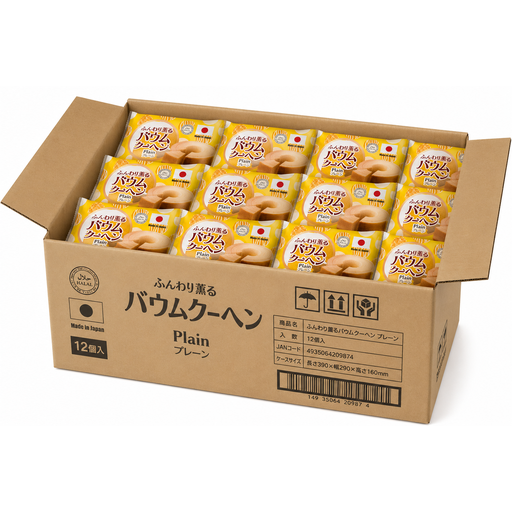
Why it suits this profile: The box contains 12 individual 60-gram portions. This makes the soft cake ideal for trying, sharing or taking with you.
The portion size is clearly stated. The product information also lists egg, wheat, milk and soya as allergens.
12 × 60 grams; 187 kcal and 20.7 grams of sugars per 100 grams according to the product information.
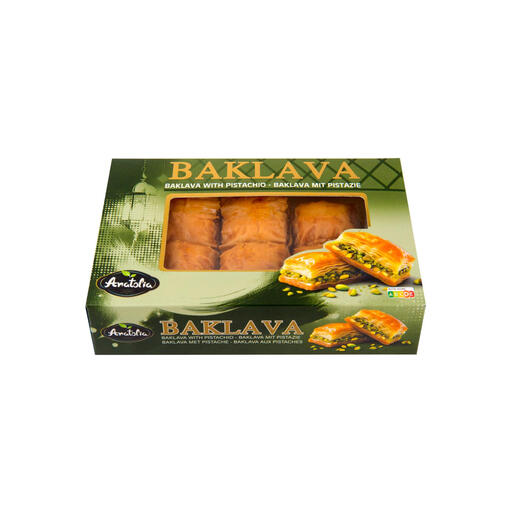
Why it suits this profile: A great choice for anyone looking for a distinctive pistachio dessert to serve to guests, during the festive season or with coffee.
The pistachio content is listed as 11%. Gluten, pistachio and egg are also named explicitly.
200-gram pack; 461 kcal and 42.6 grams of sugars per 100 grams according to the stated nutritional information.

Why it suits this profile: Ideal for fans of soft, chewy sweets who want to serve something with Turkish coffee or tea.
The ingredients list states 4% almond, and according to the product information, the label does not mention any of the 14 main EU allergens.
300 grams; store in a cool, dry place; suitable for sharing or giving as a gift.
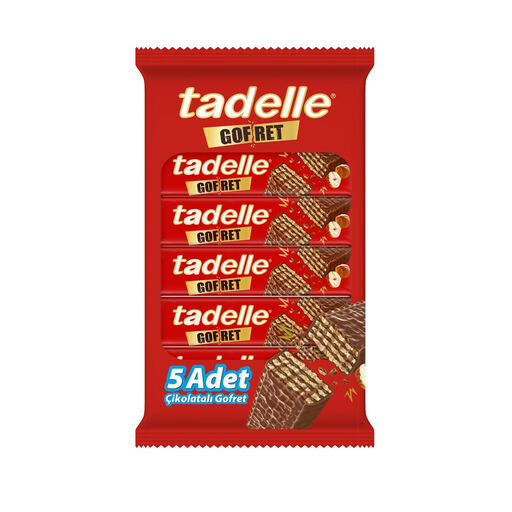
Why it suits this profile: A practical option for anyone wanting to try Turkish snacks without buying a large box straight away.
The pack contains five bars. The product information lists allergens such as wheat, milk and soya, and recommends storing the product in a dry place.
Multipack with five wafers; crisp layers with filling and milk chocolate according to the product description.
We have put together a complete, up-to-date list of products that fully meet these strict selection criteria and the applicable European safety regulations.
No, not automatically. Check the halal claim, ingredients list and any certification information for each product. Pay particular attention to gelatine, flavourings, fats and production facilities. If you are unsure, consult the label or contact the seller.
Store both products according to the label, usually in a cool, dry place, away from direct sunlight and heat and moisture. Seal the packaging properly after opening. Baklava can lose its texture more quickly than dry halal biscuits, so always check the shelf-life information.
For Turkish coffee, Turkish delight, lokum with almonds and small pieces of baklava are excellent choices. Turkish biscuits, un kurabiye and baumkuchen are practical with tea. For the journey or a lunchbox, individually wrapped cakes and chocolate wafers are generally more convenient.
