
Vandaag of morgen in huis

Kwaliteit gegarandeerd

Welkomstaanbiedingen ontgrendelen: GRATIS bezorging | Tot 80% korting | Gratis 30 dagen JoyPlus-proefperiode
Download de app
Turkish delights come in many varieties: from soft Turkish delight and lokum to fruity sweets, Turkish pistachios, dates and jam. However, a colourful packet doesn't tell you everything. If you only focus on the flavour name, size or the word "authentic", you could end up with a product that doesn't suit how you'll use it at home.
That's why it's important to pay attention to the ingredients, allergen information, quantity and shelf life. This way, you'll find Turkish confectionery perfect for a visit, a celebration, a gift or simply as a snack with coffee and tea.
A 500-gram or 1-kilo bag might look appealing, but it's really only practical if you're sharing the product or using it often. If you're trying Turkish sweets for the first time, a smaller packet is often the wiser choice. Also, look at the price per 100 grams, not just the total price.
With many sweets, "fruit" refers to a flavour, aroma or colour. Always check the ingredients list. Bebeto S Strawberry, for example, contains glucose syrup, sugar, corn starch, beef gelatine, acidity regulators, flavouring and fruit and plant concentrates. The strawberry flavour doesn't mean the product is mostly made of strawberries.
The same goes for Turkish jam and pomegranate syrup – comparing is key. According to the product information, Oncu Pomegranate Syrup Sauce contains 17% pomegranate juice, along with glucose syrup, water, acidity regulator, sulphites and colouring.
EU regulations require food sellers to clearly list major allergens. However, you should always check the actual packaging, especially for nuts, dairy, gluten and gelatine. Product information can change, and some packets mention possible cross-contamination.
For lokum with hazelnuts or pistachios, the nut itself is a relevant concern, even if an online product page doesn't list any of the 14 major allergens. If you have an allergy or follow a halal diet, look at the full ingredients list and the certification or information on the packet. Don't rely on online information as a substitute for the label.
Turkish sweets often have sugar or glucose syrup as the main ingredient. The nutritional information helps you compare products fairly:
These figures don't say anything about personal dietary choices, but they do make it clear that "natural", "fruity" and "traditional" are not synonyms for a low sugar content.
Choose the type of treat based on the occasion:
Check that the stated weight matches how you'll use it. An 80-gram bag is fine for trying a flavour, while 300 to 500 grams is better for a party or gift hamper. A 1-kilo packet of dates is mainly practical for regular use.
Store most Turkish delights in a cool, dry place, out of direct sunlight and away from heat and moisture. Seal the packet well after opening. For products with different instructions, such as a lokum variety that recommends refrigeration, always follow the label.
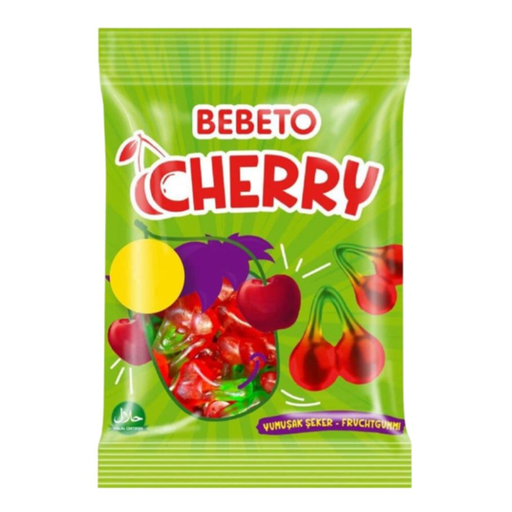
Why this fits the profile: The 80-gram packet keeps the purchase manageable and lets you try a fruity cherry flavour without committing to a large stock.
The small size limits waste if the flavour or texture isn't to your taste. Check the current ingredients list and best-before date on the packet before buying.
80 grams, cherry flavour and, according to the product information, none of the 14 major EU allergens.
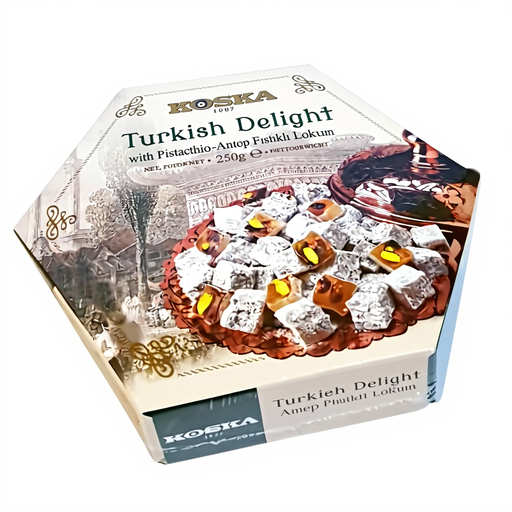
Why this fits the profile: This lokum variety combines the soft texture of Turkish delight with pistachio and is ideal for serving with coffee, tea or as part of a gift set.
The product name clearly states the flavour and type. Do watch out for pistachio as an allergen and compare the actual packaging with the online information.
250 grams, pistachio as a listed ingredient and a size that's suitable for sharing.

Why this fits the profile: A kilo is practical for households that eat dates regularly, bake with them or use them for breakfast, granola and desserts.
The product information states 100% dried dates with no added sugar or preservatives. Make sure to seal the opened packet well and store it in a dry place.
1 kilo, 100% dried dates and multiple uses in sweet dishes.
We've put together a full, up-to-date list of products that fully meet these strict selection criteria and comply with current European safety regulations.
Turkish delights include lokum, akide şekeri, fruit gums, dates, pistachios, jam and pomegranate syrup. The term is used for both confectionery and long-life Turkish delicacies.
Store Turkish delight and lokum according to the label, usually in a cool, dry place out of direct sunlight. Seal the packet well after opening. This helps prevent drying out, moisture absorption and mixing with other odours.
A packet of around 250 to 500 grams is often practical for a gift or when visiting. Choose a flavour that suits the recipient and check for nuts, gelatine and other allergens beforehand. For a first purchase, a smaller packet is usually easier to judge.
