
Vandaag of morgen in huis

Kwaliteit gegarandeerd

Welkomstaanbiedingen ontgrendelen: GRATIS bezorging | Tot 80% korting | Gratis 30 dagen JoyPlus-proefperiode
Download de app
When you buy Turkish chocolate and sweets online, you’ll quickly come across a wide selection of chocolate bars, biscuits, wafers and dessert mixes. Names like Ülker, Eti, Dubai chocolate and pistachio chocolate catch the eye, but the packaging doesn’t always tell the full story. A small pack can work out expensive per 100 grams, while a large multipack isn’t ideal if you only want to try one flavour.
With this practical buying guide, you can compare Turkish snacks by taste, size, ingredients and use. That way, you’ll find something for a coffee break, a gift, a dessert or for sharing.
Chocolate with pistachio, chocolate with hazelnuts or Dubai chocolate sounds appealing, but always check the ingredients list. A flavour can be combined with a filling, wafer, kadayıf or confectionery where the nut content is relatively limited. So don’t just look at the front of the packaging – check the full ingredients too.
With Ülker Istanbul chocolate with hazelnuts and crispy kadayıf, the product information lists sugar, cocoa mass, cocoa butter, hazelnuts, milk powder and wheat flour, for example. The combination gives a different texture to a standard chocolate bar.
A multipack is handy for a family, office or party, but less practical if you want to try a flavour first. On the other hand, individual bars like a 33-gram wafer or 45-gram halva are convenient for on the go, but often not enough for a dessert table.
Pay attention to the net weight, the number of pieces and the weight per piece. Where possible, compare the price per 100 grams.
Turkish sweets and biscuits often contain gluten, milk, soya, egg, hazelnuts or sesame. Products may also contain traces of other nuts. Always check the label on the packaging you receive, especially if you have an allergy or intolerance.
Chocolate, wafers and halva should generally be stored in a cool, dry place, away from direct sunlight and out of heat and moisture. The exact best-before date and storage instructions are on the packaging.
The ingredients are listed in descending order by weight. If sugar is at the top, it forms a significant part of the product. With a hazelnut wafer, also look out for hazelnut paste, milk powder and cocoa.
Examples from the range:
Not every sweet purchase is meant to be eaten straight from the packet. A Turkish pudding or dessert mix usually needs to be prepared with milk. A product like Basak Chocolate Pudding 105 g is described as suitable for pudding and can also be used in cakes, trifles or as a filling.
A chocolate sauce, on the other hand, works as a topping for ice cream, pancakes, wafers or fruit. The Basak Chocolate Sauce 130 g is designed to be drizzled straight over desserts or used in baking. After opening, check the storage instructions on the packaging.
Chocolate, biscuits and wafers often contain relatively high levels of energy, fats and sugars per 100 grams. That makes the nutritional information relevant when comparing different sizes. The words “mini” or “snack” don’t tell you anything about the nutritional value per 100 grams.
An individual bar can help keep your portion size under control. A multipack of 5 or 6 pieces is mainly practical when you want to share or stock up.
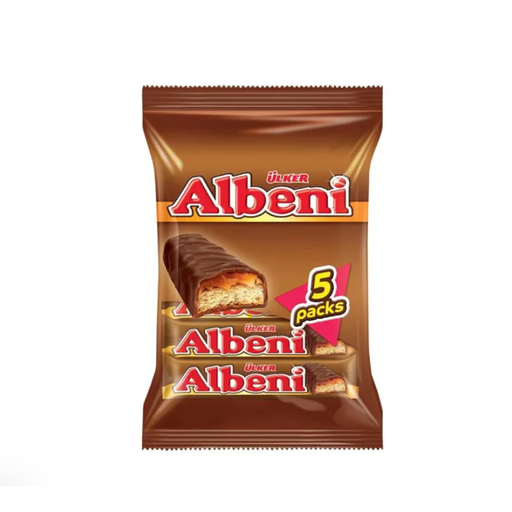
Why this suits the profile: The multipack of five 40-gram bars is practical for sharing or taking with you. The combination of wafer, caramel-like sweetness and chocolate suits anyone looking for a familiar snack without buying a large pack straight away.
The number of bars and the weight per piece are clearly stated. Do check the allergens: the product information lists wheat, milk, soya and egg.
Five individual 40-gram bars; suitable for sharing; store according to the instructions on the packaging.
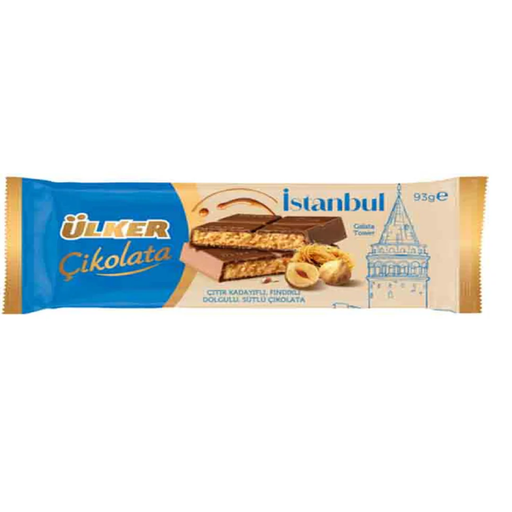
Why this suits the profile: According to the product description, this bar combines chocolate, hazelnuts and crispy kadayıf. That makes it ideal for fans of layered textures and Turkish dessert flavours.
The product information names the main flavour components rather than just a trendy name. Do check the label for wheat, milk, hazelnuts and soya.
Hazelnuts and crispy kadayıf; nutritional information states 550 kcal and 45 g sugar per 100 g; suitable as a gift or for sharing.
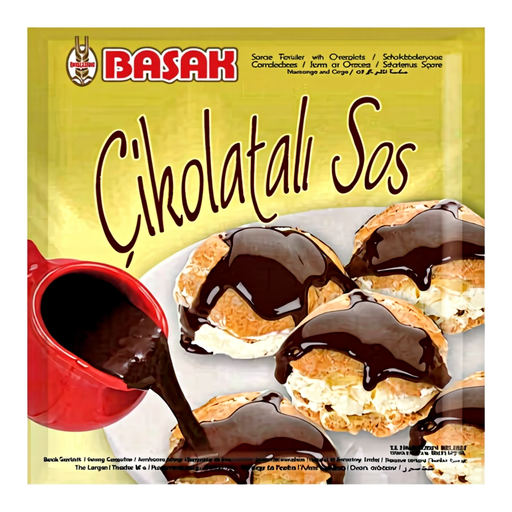
Why this suits the profile: This sauce is designed for anyone who wants to complement Turkish dessert mixes and homemade sweets. Use it as a topping for ice cream, wafers, pancakes, fruit or baked goods.
You’re not buying a snack that’s only suitable for eating straight from the packet, but a product with multiple described uses. Check the storage instructions after opening.
Handy 130-gram size; suitable for toppings and baking; the product information states none of the 14 main EU allergens.
We’ve put together a full, up-to-date list of products that fully meet these strict selection criteria and comply with current European safety regulations.
Choose a product with attractive packaging, a clear weight and a flavour that isn’t too unusual. A bar with hazelnuts and kadayıf, a box of individual chocolates or an assortment with several small portions is often suitable for sharing. Check the allergens in advance if you don’t know the recipient well.
Store these products in a cool, dry place, away from direct sunlight and out of heat and moisture. A fridge is usually not necessary and can affect the texture. Seal the packaging well after opening and always follow the instructions and best-before date on the original label.
A pudding mix usually needs to be prepared with milk and heated according to the instructions on the packaging. Chocolate sauce can be used straight away as a topping or ingredient. If you’re looking for a complete Turkish dessert mix, you can combine a pudding with chocolate sauce, fruit, whipped cream or pieces of wafer.
