
Vandaag of morgen in huis

Kwaliteit gegarandeerd

Welkomstaanbiedingen ontgrendelen: GRATIS bezorging | Tot 80% korting | Gratis 30 dagen JoyPlus-proefperiode
Download de app
As a Product Recommendation Officer at Joybuy, I see the sheer variety of cat food available every day. Especially when you're specifically looking for turkey cat food, the options can be overwhelming. The packaging makes all sorts of promises, but how do you know what you're really getting?
Many cat owners fall into the same traps. Before you make a choice, it's wise to be aware of a few common missteps:
To make an informed choice, it helps to understand a few basic principles. Pay attention to the following specifications on the packaging before adding anything to your shopping cart.
The ingredient list is your most important tool. Ingredients are listed by weight, from highest to lowest. Is turkey listed first? That's a good sign. Also, look at the description: "fresh turkey" or "dried turkey protein" is more specific and often of higher quality than the vague term "meat and animal by-products." A clear percentage helps you estimate the actual amount of turkey.
The choice between wet turkey cat food and turkey kibble depends on your cat's needs and preferences.
A combination of both can be a happy medium for many cats.
Not every cat is the same. Manufacturers are increasingly developing food for specific groups. For example, if you're looking for Purina turkey cat food, you'll find variants for kittens, seniors, indoor cats, or cats with sensitive digestion. These formulas have an adjusted composition, such as a different fat and protein content or the addition of specific fibres.
To help you get started, we've highlighted a few products that suit different profiles of cats and their owners.
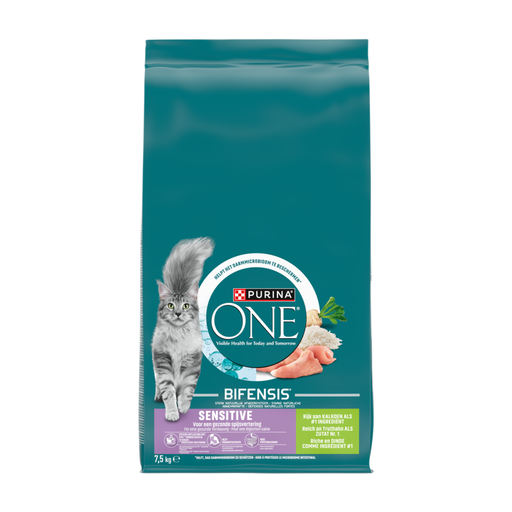
Why This Fits Their Persona: Ideal for owners of cats that are prone to stomach upset or are picky eaters. This formula is specifically designed to support digestion.
This food focuses on a functional solution (supporting gut flora) rather than just a 'grain-free' claim. Turkey is a main ingredient, combined with easily digestible rice.
Contains prebiotics (chicory) to nourish good bacteria in the gut. According to Purina's research, it leads to firmer stools with less odour.

Why This Fits Their Persona: Perfect for cats that spend most of their day indoors. This lifestyle requires an adapted diet to maintain a healthy weight and manage hairballs.
This food addresses the specific problems of indoor cats (hairballs, weight management) instead of relying on vague marketing terms. The formula is specifically tailored for this purpose.
Contains fibres that, according to Purina, help remove up to twice as much hair from the stomach. The adjusted protein-to-fat ratio supports a lean body condition.
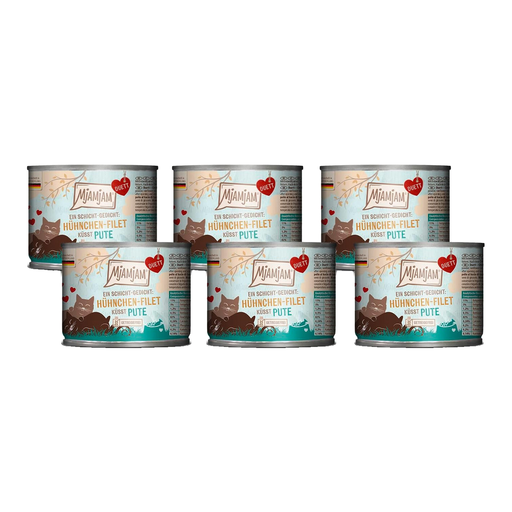
Why This Fits Their Persona: For the cat owner looking for a food with a high meat content and a recipe free from grains, gluten, and added sugars.
This product is transparent about its high meat content (30% turkey and 20% chicken fillet). It's a genuinely grain-free product, not just using the term as an empty marketing claim.
Very high meat content with clear sourcing. The formula is grain- and gluten-free, making it a suitable option for cats with specific intolerances.
We have compiled a complete, up-to-date list of products that meet these selection criteria and comply with local regulations.
1. What is the best way to switch to a new turkey cat food? A sudden switch can cause gastrointestinal upset. Gradually mix the new food with the old food over a period of 7 to 10 days. Start with 25% new food and slowly increase this percentage until your cat has fully transitioned.
2. Is turkey wet food alone a complete meal? Yes, as long as the packaging states it is "complete pet food." This means it contains all the nutrients your cat needs daily. Complementary pet food, like many treats, is not. Wet food is an excellent way to increase your cat's moisture intake.
3. Why is turkey a popular flavour in cat food? Turkey is a lean source of protein that is easily digestible. Many cats find the taste appealing. It's a good alternative to chicken and provides variety in the diet, which can help stimulate the appetite of picky eaters.
