What should you look for when choosing?
Start with your bedding load and the programme you can use for it. Then compare energy use and programme length, and finally check that installation and maintenance will be practical.
| What to consider |
What should you check? |
Who is this important for? |
| Capacity and room for bedding |
Compare the weight of your usual load in kg with the maximum load for the programme you intend to use. |
If I want to dry sheets and covers in as few suitable loads as possible, I look at both the drum capacity and the programme instructions. Around 31% of consumers prioritise having room for a full load of bedding. |
| Drying results for bulky items |
Check the care label, permitted filling and instructions for the specific programme. |
With a thick duvet, I want to know whether that particular item is suitable for the dryer and programme. Around 25% of consumers prioritise drying results for bulky bedding. |
| Electricity use |
Compare heat pump technology and the current A-to-G energy label for the exact models. |
If you dry clothes regularly and want to limit electricity use, compare the technology and current labels. Around 19% of consumers focus mainly on the energy use of regular drying loads. |
| Programme length |
Compare the length of the programme suitable for your bedding and load. |
If the bedding needs to be dry by a certain time, I want to know how long the appropriate programme takes. Around 13% of consumers prioritise how long a drying cycle takes. |
| Installation and maintenance |
Measure the space available and check drainage, filters and maintenance instructions. |
If you have limited space or want to make maintenance straightforward, check the installation requirements and what you’ll need to do in advance. Around 12% of consumers prioritise these practical considerations. |
Tumble dryers for bedding
This selection includes heat pump dryers with a stated capacity of 8 or 9 kg. For each model, check that your bedding load fits within the load limit and instructions for the programme you plan to use.
 No image available
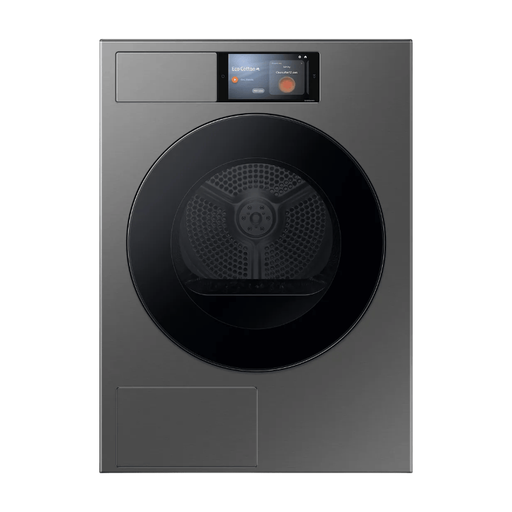
Samsung DV90F09F4SU3, 9 kg
With a stated capacity of 9 kg, this model is worth considering for larger loads of laundry.
The product name lists AI Dry+, AI Home, Wi-Fi and an A energy label.
The product description mentions Hygiene Care for bedding and moisture and temperature measurement.
View at Joybuy
 No image available
Bosch WQH246DPFG Serie 6, 9 kg
The 9 kg capacity and the listed Bed Linen programme make this model worth considering for bedding.
The product name lists a B energy label and an NL/FR panel.
The product description mentions Auto Dry with moisture measurement. Check the programme load limit for your bedding.
View at Joybuy
 No image available
Bosch WQB245B40 Serie 8, 9 kg
The product description lists bedding as a possible larger load for the 9 kg drum.
The product name lists AutoDry, Sensitive Drying, a B energy label and a German panel.
The product description also mentions a self-cleaning condenser and SmartDry. Check the maintenance instructions for the fluff filter, too.
View at Joybuy
 No image available
Sharp KDNHA8S6PWEBX, 8 kg
This 8 kg heat pump dryer is worth considering if your bedding fits within the load limit for the programme you choose.
The product name lists an E energy label, while the product description mentions sensor drying and 15 programmes.
Compare the current energy label and the guidance for your specific load.
View at Joybuy
 No image available
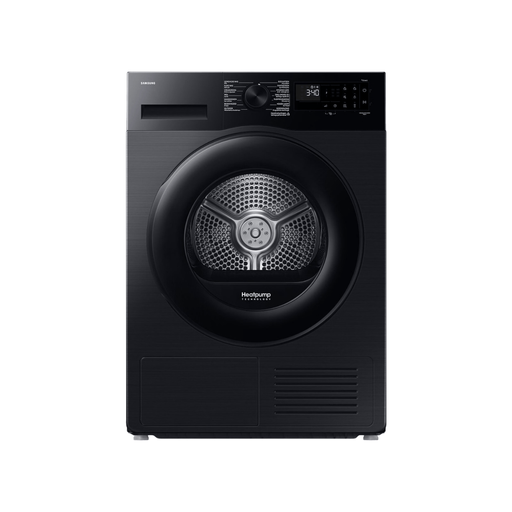
Samsung DV9UDG52A0AB 5000 Series, 9 kg
With a stated capacity of 9 kg, this model is worth considering for larger household loads.
The product name lists Optimal Dry, 1400 rpm, 64 dB and a C energy label.
The product description mentions moisture and temperature measurement during drying.
View at Joybuy
Frequently asked questions
Can any duvet go in the dryer if its cover is suitable?
No. The fact that a duvet cover is suitable for the dryer doesn’t mean the duvet itself is. Check the duvet’s care label and the programme instructions for its particular filling.
How should I install and maintain a tumble dryer?
Place the dryer on a stable, level surface, keep the required air vents clear and follow the model’s manual. Clean the fluff filter after every drying cycle, and empty the water container if you’re not using a suitable drain connection.
What energy label should a newly listed tumble dryer have?
Tumble dryers sold in the EU must have an energy label. Since 1 July 2025, the A-to-G scale has been displayed at points of sale, so don’t compare an older A++ rating directly with a current class.
What about the warranty and returning my old dryer?
In the Netherlands, the legal guarantee depends on what you can reasonably expect from the product; there isn’t one fixed statutory period that applies to every dryer, as ACM ConsuWijzer explains. When you buy a similar new appliance, the retailer must take back your old household appliance, according to the Dutch government.


