
Vandaag of morgen in huis

Kwaliteit gegarandeerd

Welkomstaanbiedingen ontgrendelen: GRATIS bezorging | Tot 80% korting | Gratis 30 dagen JoyPlus-proefperiode
Download de app
Trousers can look practical in photos, yet disappoint when you actually wear them. A waistband that slips during exercise, pockets that do not keep your phone secure or fabric that offers insufficient protection from rain are common causes of a poor purchase.
When choosing women’s and men’s trousers, it is therefore not just about colour or brand. Pay particular attention to the fit, material, freedom of movement and details that suit how you intend to use them. Below, you can read what to look for in sports trousers, training trousers, outdoor trousers and work trousers.
Trousers with a roomy cut do not automatically offer greater freedom of movement. When climbing, cycling or training, excess fabric can actually get in the way. Check whether the trousers have a straight, regular, slim or relaxed fit, and whether there is enough room around the knees.
An adjustable waist, drawstring or elasticated waistband can be practical. However, make sure the waistband does not dig in when you are sitting or moving.
Words such as “performance”, “weatherproof” or “durable” do not say much on their own. Look for verifiable details, such as:
According to brands’ own product information, features such as moisture management or waterproofing may form part of a specific technology. Treat such claims as the brand’s product specifications and check that they suit the conditions in which you intend to use the trousers.
Sizes vary by brand, model and country. Men’s trousers in size XL may fit differently from trousers using American sizing. Measure your waist, hip circumference and inside leg and compare these measurements with the size guide on the product page.
Also consider the length: ski trousers or men’s outdoor trousers are often worn over other clothing, while training trousers are usually worn directly against the skin or over a thin layer.
Polyester, nylon and elastane blends are common choices for sports trousers and training trousers. According to the product description, polyester can be lightweight and quick-drying. Cotton often feels soft, but generally takes longer to dry when it becomes damp.
A small amount of elastane can improve freedom of movement. For stretch trousers used for climbing, walking or work, a reinforced crotch, articulated knees and an elasticated waist are also useful details.
Think in advance about what you want to carry. Open hand pockets are convenient for everyday use, but a zipped pocket is more practical when running or travelling. Women’s cargo trousers offer extra storage space, while work trousers often have specific pockets for a phone, knife, hammer or knee protection.
Do not just check the number of pockets; consider their placement too. A large pocket on the knee can be useful when kneeling, but may feel uncomfortable if you cycle frequently.
A water-repellent finish is not the same as fully waterproof trousers. For prolonged rain, information about the water column rating, sealed seams and membrane construction is more relevant. If this information is not provided, do not assume that the trousers offer complete protection.
For skiing, a snow gaiter, ventilation zips and an adjustable waist are practical features. The product description for the The North Face ski trousers below mentions DryVent, sealed seams, a snow gaiter and ventilation openings. According to the brand’s product information, this model is intended for snow sports; always check the latest specifications and care label.
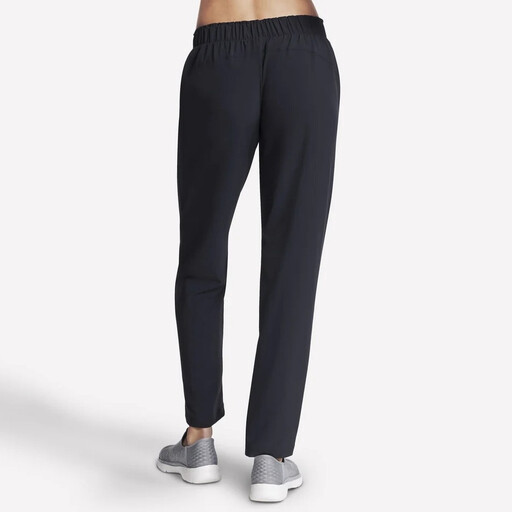
Why it suits this profile: According to the product information, these black women’s trousers are intended for fitness, training and relaxed everyday wear. The regular fit and drawstring make it easy to adjust the fit.
The product page specifies the fit, drawstring and both zipped and open pockets. This means you do not have to rely solely on general terms such as “comfort”.
Polyester according to the product information, regular fit, adjustable waist and zipped pockets.

Why it suits this profile: According to the product description, this model is designed for climbing and bouldering. The relaxed fit, comfort stretch, gusseted crotch and articulated knees are designed to provide plenty of freedom of movement.
The movement-enhancing features are described in specific terms. You can weigh them up against your activity instead of relying solely on the outdoor label.
97% cotton and 3% elastane, integrated belt, gear loop, back pockets and a choice of short, regular and long inseams.
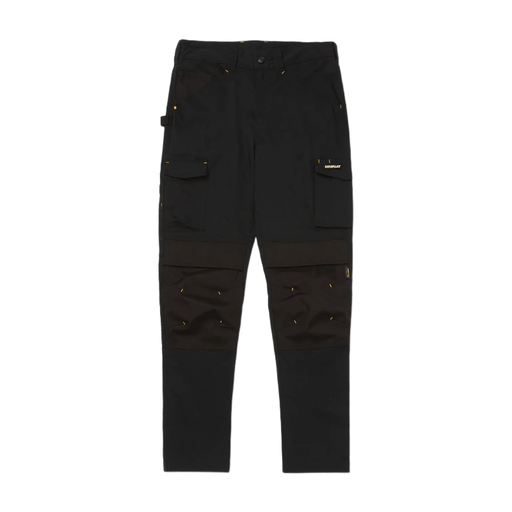
Why it suits this profile: These work trousers are designed for jobs where pocket space, knee protection and hard-wearing material are important. According to the product information, the straight leg is suitable for work boots.
The trousers specify particular pockets, Cordura reinforcement and compatible knee pockets. For your work, check that the required protection and certification apply to the combination of trousers and knee protection.
Ripstop, 50% cotton, 48% polyester, 2% elastane, knee pockets and multiple utility pockets according to the product information.

Why it suits this profile: According to the product description, these blue training trousers are made for training and active everyday wear. The athletic fit and lightweight polyester suit users who prefer minimal excess fabric.
The product information states the fabric, fit and intended use. The Dri-FIT performance is a claim made by Nike and is not presented here as a universal feature.
100% polyester, athletic fit and a plain blue colour according to the product description.
We have put together a complete, up-to-date list of products that fully meet these strict selection criteria and the applicable European safety regulations.
For everyday use, women’s joggers, training trousers and stretch trousers are practical choices. Look for soft fabric, an adjustable waist and pockets that are large enough for your phone. Cotton feels comfortable, while polyester or nylon often dries faster.
Measure your waist where the trousers normally sit, then measure your hips and inside leg. Compare these measurements with the size guide for the specific model. Also check whether the trousers have a regular, slim or relaxed fit. With ski trousers and waterproof trousers, allow for an additional layer of clothing.
Always follow the care label. Wash technical trousers with similar colours unless otherwise stated, and fasten zips and hook-and-loop closures before washing. Do not use bleach if it is not permitted. According to the product information, a water-repellent finish may need care or reproofing. Do not tumble-dry trousers if the label advises against it.
