
Vandaag of morgen in huis

Kwaliteit gegarandeerd

Welkomstaanbiedingen ontgrendelen: GRATIS bezorging | Tot 80% korting | Gratis 30 dagen JoyPlus-proefperiode
Download de app
If you’re looking to buy tropical soft drinks, you’ll find plenty of colourful options online. From Asian soft drinks with lychee or yuzu to tropical fruit drinks with passion fruit, guanabana or watermelon, the packaging can sometimes make it difficult to see the differences clearly. A striking colour or exotic name says little about the amount of fruit juice, sugar or the size of the pack.
This practical buying guide helps you compare exotic drinks using verifiable product information. That way, you can avoid buying a multipack only to find that you dislike the flavour, or choosing a fruit drink that doesn’t suit your preferences for sugar or calories.
Terms such as “tropical”, “natural” and “fruit flavour” can mean different things. Some drinks contain fruit juice or fruit purée, while others consist mainly of water, sugar, acidity regulators and flavourings. Always check the ingredients list and the stated juice percentage.
For example, a passion fruit-flavoured product may contain only a small percentage of passion fruit juice. That isn’t necessarily a bad thing, but it does determine what you’re buying.
A soft drink with no added sugar may still contain naturally occurring sugars from fruit. Check the nutritional values per 100 ml as well as per pack. This makes comparisons easier, particularly for a 330 ml can, a 473 ml bottle or a soft drink multipack.
Also note the difference between “sugar-free soft drink” and “no added sugar”. These terms are not interchangeable. The exact nutritional values on the label are the deciding factor.
A box of 12 or 24 cans can be useful for a party, office or cupboard. For trying a new flavour, however, a smaller format is the wiser choice. With international drinks, the flavour, sweetness and level of carbonation may differ from familiar British soft drinks.
Also check the best-before date, storage instructions and the amount of space you’ll need at home. Once opened, drinks generally need to be kept refrigerated and consumed within a short time, according to the product information.
Check whether the product contains juice, purée, juice from concentrate or just flavouring. Here are a few examples:
If you want to buy a fruit drink for everyday use, it’s worth comparing the juice percentage with the total sugar content. More juice does not automatically mean less sugar.
Use the values per 100 ml as a consistent basis for comparison. The current range includes the following:
These figures are specific to each product. Always check the label on the packaging when you buy, as the ingredients and nutritional information may change.
A 1.5-litre bottle is better suited to a meal or several people. A 190 to 355 ml can is easier to take with you. A 12-pack makes sense when you have a firm favourite or need drinks for guests.
For glass packaging, also consider the weight and risk of breakage. A box of 24 glass bottles, such as Uludağ Lemonade, is particularly suitable for use at home and parties. According to Uludağ’s own product information, the drink is made without added preservatives and contains 10% lemon juice. Treat this as brand information and check the current packaging for the full ingredients.
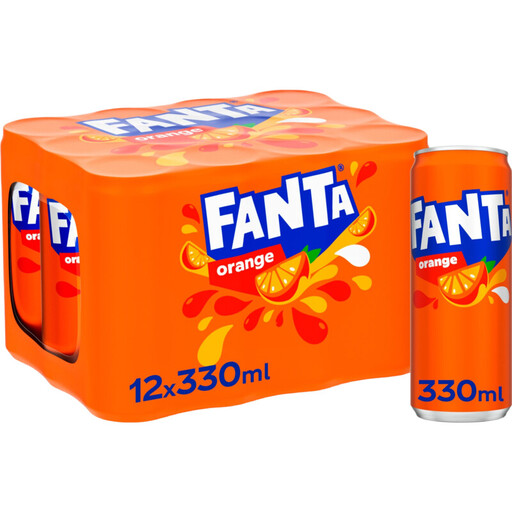
Why it suits this profile: A familiar orange flavour in a practical 12-pack, ideal for trying a fruity soft drink or keeping at home for visitors.
The volume, number of cans and nutritional value are clearly stated. This makes it easy to assess the pack size before ordering.
12 bottles of 330 ml; 19 kcal and 4.4 g of sugars per 100 ml according to the product information.
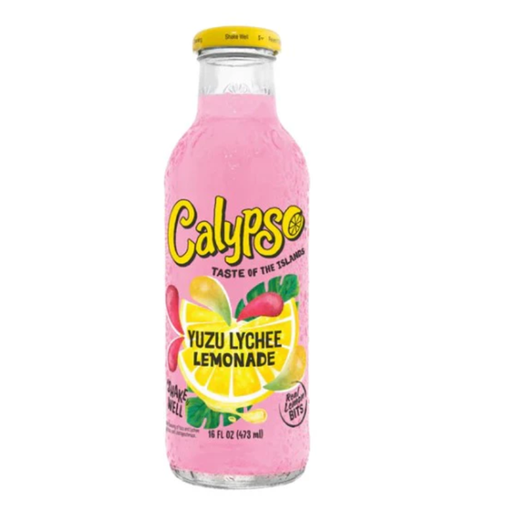
Why it suits this profile: For anyone looking for a distinctive Asian soft drink combining citrus and lychee instead of a standard orange or cola flavour.
The flavour profile and ingredients are described clearly. According to the product information, the drink contains 11 g of sugar per 100 ml, allowing you to gauge its sweetness in advance.
473 ml per bottle; yuzu, lychee, lemon base and lemon pulp according to the product description.

Why it suits this profile: A supply for home, work or gatherings, with a familiar sweet-and-sour passion fruit flavour in a can.
The product states both 30% passion fruit juice and 17 kcal per 100 ml. “No added sugar” is not confused with sugar-free.
12 cans of 330 ml; made in Vietnam; the product information recommends serving chilled.
We’ve put together a complete, up-to-date list of products that fully meet these strict selection criteria and the applicable European safety requirements.
For fans of Japanese soft drinks, Korean soft drinks or Vietnamese fruit drinks, there are several options:
If you’re mainly looking for a low-calorie soft drink, don’t just look at the front of the packaging. Check the nutritional values, sweeteners and serving size. If you need a large quantity for a party, compare the price per litre and the number of packs instead.
First compare the flavour, juice percentage, amount of sugar per 100 ml and volume per can or bottle. Then check the ingredients, allergens, best-before date and storage advice. For a multipack, the price per litre is another useful comparison.
No. The flavour and sweetness vary from one recipe to another. Some drinks contain sugar, others combine sugar with sweeteners, while some state that they contain no added sugar. Read the nutritional table and ingredients list before ordering.
A soft drink multipack with cans or small bottles is easy to hand out. For larger groups, 12- or 24-packs are practical. Glass bottles offer a different serving experience, but are heavier and require more careful storage.
