
Vandaag of morgen in huis

Kwaliteit gegarandeerd

Welkomstaanbiedingen ontgrendelen: GRATIS bezorging | Tot 80% korting | Gratis 30 dagen JoyPlus-proefperiode
Download de app
A can of tropical soft drink may seem simple to choose, but the differences between Asian, Caribbean and Mexican soft drinks can be significant. Mango, pineapple, lychee and tamarind, for example, may be used as fruit juice, purée, concentrate or simply flavouring. Pack sizes and nutritional values can also vary considerably.
If you choose based solely on the image or product name, you could end up buying a multipack that does not suit how you intend to use it. With these practical considerations, you can compare exotic soft drinks using verifiable information.
A product with “mango” or “pineapple” on the label may consist mainly of carbonated water, sugar, acids and flavourings. The fruit content may be low. For example, Rubicon NL Sparkling Mango Drink lists 8% mango purée. Fruit.B x Tropical Pineapple Slice Drink contains 2.85% pineapple pieces and 0.17% pineapple juice concentrate.
That does not necessarily make a drink unsuitable. However, it helps you set realistic expectations: are you looking for a sparkling fruit drink with visible pieces, or mainly a light soft drink with a fruit flavour?
Check the nutritional values per 100 ml, rather than looking only at the figures for a can or bottle. Jane Jane Lychee Soda lists 16 kcal and 3.5 grams of sugar per 100 ml. In a 330 ml can, that works out at approximately 53 kcal and 11.6 grams of sugar if you drink the whole can.
Other varieties contain considerably more. Jarritos Tamarind lists 42 kcal and 11 grams of carbohydrates per 100 ml. FOCO Mango Passion Fruit Drink contains 42 kcal and 9.8 grams of sugar per 100 ml. This allows you to compare mango soft drinks, lychee soft drinks and tamarind soft drinks on the same basis.
A soft drink multipack is convenient for a party or a well-stocked cupboard, but check the total volume first. Six 330 ml cans contain 1.98 litres in total. A case of 24 330 ml cans contains 7.92 litres. A pack of 24 cans may therefore be worthwhile for frequent use, but less practical if you want to try a flavour for the first time.
Also consider storage space, deposit information where applicable and the best-before date on the packaging.
Check the ingredients list and the quantitative indication of fruit content. Look out for terms such as:
The difference is clear with lychee varieties. Jane Jane lists 1% lychee juice concentrate and a carbonated base. According to the product information, Sagiko Lychee Drink contains lychee purée, but has a nutritional value of 43.75 kcal and 10.62 grams of sugar per 100 ml.
Do not compare only the word “sweet”; look at the full nutritional table. Some products combine sugar with sweeteners such as sucralose or acesulfame K. Jane Jane Lychee Soda lists both types of sweetener and contains 16 kcal per 100 ml. TING Soda Tropical lists 19 kcal and 4.4 grams of sugar per 100 ml.
If you are looking for the lowest possible sugar content, always check the current packaging. Recipes and labels can change. In addition, a statement such as “no added sugar” does not automatically mean sugar-free; natural sugars from fruit may still be present.
Cans or a 300 to 350 ml bottle are practical when you are out and about. Packs of six or 24 are more convenient for groups. Also check:
With international soft drinks, the online product information may be less detailed than the label. Always use the packaging as the final reference for allergen and storage advice.

Why it suits this profile: Six 330 ml cans offer a manageable way to try lychee soft drink without immediately buying a large case.
The product information lists 1% lychee juice concentrate, 16 kcal and 3.5 grams of sugar per 100 ml. This means you can assess the flavour and nutritional value in advance.
6 x 330 ml; carbonated; lychee flavour; 16 kcal per 100 ml.
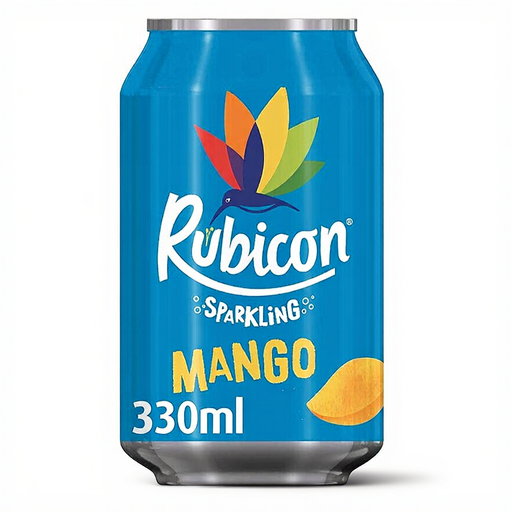
Why it suits this profile: This mango soft drink lists a specific proportion of mango purée, making it a good choice for anyone who values the fruit content.
The product description states 8% mango purée, while the nutritional information lists 52 kcal and 13 grams of sugar per 100 ml. This means the choice is not based on the packaging alone.
330 ml; 8% mango purée; sparkling texture; none of the 14 major EU allergens listed.
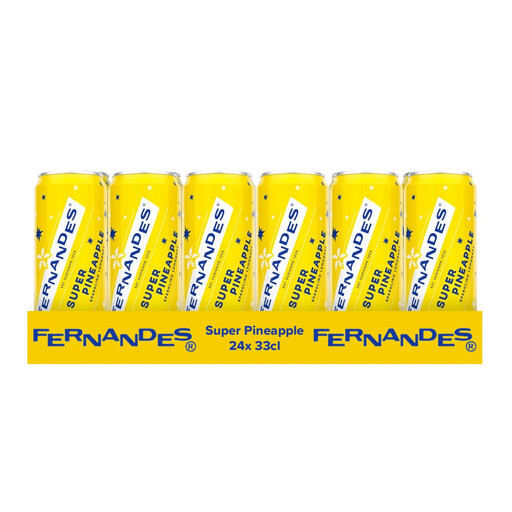
Why it suits this profile: A case of 24 cans is designed for parties, catering-style use at home or households where soft drinks are served regularly.
The packaging and contents are clearly specified as 24 x 330 ml. You therefore know in advance how many cans and how much total volume you are ordering.
24 x 330 ml; pineapple flavour; 42 kcal and 10.4 grams of sugar per 100 ml; serve chilled.
We have put together a complete, up-to-date list of products that fully meet these strict selection criteria and the applicable European safety regulations.
This varies by brand and recipe. In the product information provided, Jane Jane Lychee Soda lists 16 kcal per 100 ml and TING Soda Tropical 19 kcal per 100 ml. Always compare per 100 ml, as pack sizes can contain different volumes.
Store unopened products according to the label in a cool, dry place away from direct sunlight and high temperatures. Once opened, the drink should generally be refrigerated and consumed within the stated period. Do not heat or freeze below 0 °C if the packaging advises against it.
A multipack may reduce the price per can, but this depends on the offer and the total volume. Divide the price by the number of cans to compare. Choose a larger pack when you already know you like the flavour and have enough storage space.
