
当日/次日达

品质保障

开启新人专享福利: 全场免邮 | 低至 2 折 | 免费试用 30 天 JoyPlus 会员
下载 Joybuy
Craving the taste of sun, sand, and faraway places, right from a carton or bottle? Tropical fruit juice instantly transports you to a vacation mindset. But anyone who has browsed the aisles of a supermarket or specialty store knows the selection can be overwhelming. One carton promises pure mango juice, while another offers an exotic fruit drink with surprising additions.
It's easy to make the wrong choice. You think you're buying a pure juice but end up with a drink that's mostly sugar water. Or you open a bottle and discover an unexpected texture, like gelatinous cubes, when you just wanted a smooth beverage. These are common pitfalls that can make your purchase unnecessarily disappointing.
To avoid wasting money on a drink that doesn't meet your expectations, it's helpful to know what to look for. The marketing on the front can be tempting, but the label on the back tells the real story.
The name on the packaging isn't a marketing gimmick, but a legally defined classification indicating the amount of fruit.
So, always check the fruit juice content on the ingredients list to know what you're really buying.
Exotic fruit drinks are known for their variety in texture. What is an adventurous addition for one person is a reason to throw it away for another.
pineapple juice or mango juice, are filtered for a smooth consistency.coconut water with pulp, where you'll find small pieces of coconut flesh in the drink. This provides a more natural and fuller taste experience.Asian drinks is juice with nata de coco. These are jelly-like, chewable cubes made from fermented coconut water. Brands like Kato specialise in this.If you're going to buyAsian drinks for the first time, it's smart to start with a small bottle to see if you like the texture.
To help you get started, we've highlighted some popular choices and matched them to different preferences.
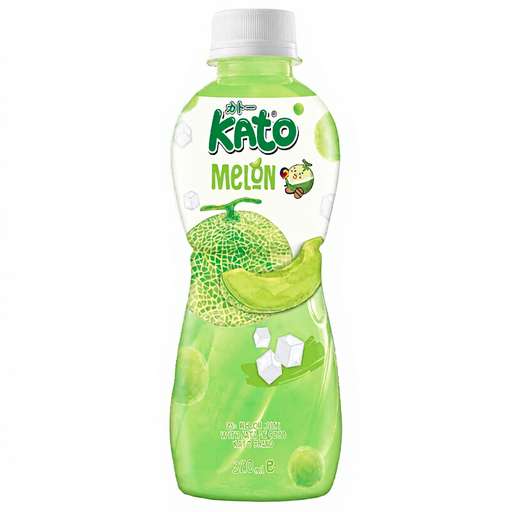
Why This Fits Their Persona: Perfect for those who want to try something different from a standard juice. The combination of sweet melon flavour and the chewy nata de coco makes this a unique and playful drinking experience.
This product is explicitly a drink with nata de coco. You know exactly what unique texture to expect, preventing any unwanted surprises.
Contains 25% melon juice and 15% nata de coco, providing a distinct flavour and a satisfying texture. The small bottle is ideal for trying it out.
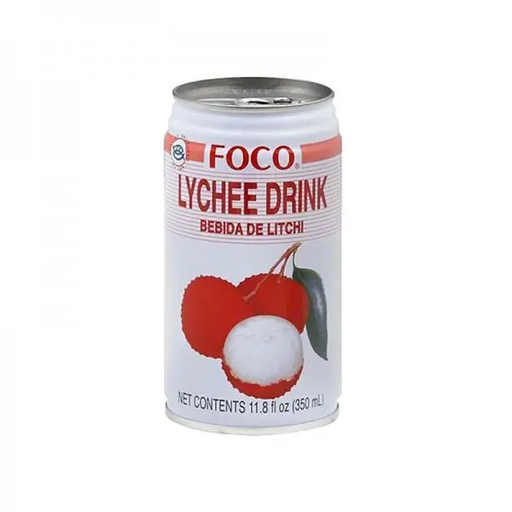
Why This Fits Their Persona: For those seeking an authentic, recognisable tropical flavour without the frills. Foco is a well-known Thai brand that focuses on the pure taste of the fruit. This lychee juice is sweet, floral, and refreshing.
This is a straightforward fruit drink focused on a single flavour: lychee. No confusing blends or hidden ingredients. What you see is what you get: a classic, sweet lychee drink.
Made by a brand specialising in Asian beverages, which often provides a more authentic taste experience. Free from artificial colours.
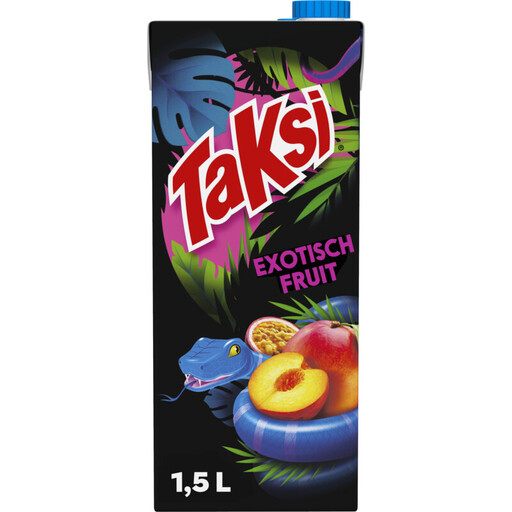
Why This Fits Their Persona: A well-known and accessible choice for the whole family. The large 1.5-litre bottle is practical, and the flavour blend of mango, passion fruit, and peach is a crowd-pleaser. The addition of dairy creates a mild, creamy drink.
Taksi clearly positions itself as a fruit drink based on juice and dairy. It doesn't pretend to be 100% juice, which correctly manages consumer expectations.
Large, budget-friendly packaging. Contains added vitamins C and D. A familiar taste that appeals to many.
We've compiled a complete, up-to-date list of products that meet these selection criteria and comply with local regulations.
Fruit juice must consist of 100% fruit (from concentrate or directly pressed) with no added sugars. A fruit drink has a much lower percentage of juice and usually contains added water, sugar, and flavourings. Always check the percentage on the ingredients list.
Nata de coco is a chewy, translucent substance produced by the fermentation of coconut water. It has a slightly sweet taste and a firm, jelly-like texture. It is often used as an addition in Asian drinks and desserts for an interesting 'bite'.
Once opened, tropical fruit juices should always be stored in the refrigerator. Most juices remain fresh for several days (usually 3 to 5) after opening. Always seal the bottle or carton tightly. Consult the packaging for the manufacturer's specific storage instructions.
