
Vandaag of morgen in huis

Kwaliteit gegarandeerd

Welkomstaanbiedingen ontgrendelen: GRATIS bezorging | Tot 80% korting | Gratis 30 dagen JoyPlus-proefperiode
Download de app
Buying a tropical fruit drink seems straightforward, until you start comparing the labels. One bottle calls itself fruit juice, while another contains mainly water, sugar or milk ingredients. A pack labelled “no added sugar” does not automatically mean that the drink contains no sugar at all.
With these practical selection tips, you can compare tropical fruit juice, fruit drinks and exotic fruit drinks using verifiable information. This makes it easier to choose the right option for home, on the go, with a meal or after exercise.
The name does not tell you everything about the fruit content. So check the ingredients list and look for terms such as “juice from concentrate”, “purée” or the stated fruit percentage. A fruit drink may also contain water, sugar, milk ingredients, flavourings or stabilisers.
For example, Maaza Guava Drink contains 17% guava juice from concentrate, as well as water and sugar. This makes it a sweet guava drink, but it is not the same as a product made entirely from fruit.
A fruit drink with no added sugar may still contain natural sugars from fruit. So check the nutritional information under “of which sugars”. According to the product information, Iam Superjuice Mango contains 30% mango juice, no added sugar and 17 kcal per 100 ml. The description states that its sweet taste comes from steviol glycosides.
Maaza Guava Sugar Free does include “Sugar Free” in the product information, but the label states 11.2 grams of sugars per 100 ml. Always check the current packaging and nutrition table before choosing a sugar-free fruit drink.
A tray of twelve cans can be useful for a household, office or party. For occasional use, a 750 ml or 1 litre bottle may be more practical. Also consider the shelf life, storage space and refrigeration requirements after opening. According to the product information, an opened drink will generally need to be stored in the fridge and consumed within the stated period.
A higher fruit percentage does not automatically mean that a drink will suit your taste, but it does help you compare products objectively. Look at:
A drink with a tropical flavour may therefore also use apple or orange juice as its base. DubbelDrank Mango Guanabana, for example, lists apple, mango, orange and guanabana among its ingredients.
Always compare nutritional values per 100 ml. This prevents a small can from appearing more favourable simply because it contains a smaller serving. Examples from the available product information include:
These figures are product details, not a judgement about what you should drink. Choose according to your own preferences for flavour, sweetness and nutritional values.
For everyday use, 1- or 1.5-litre packs are often practical. Small cans or pouches are suitable for a lunch, picnic or chilled drink on the go. When ordering online, check:
A product image may differ from the current labelling. Therefore, use the information on the product itself as the definitive source.
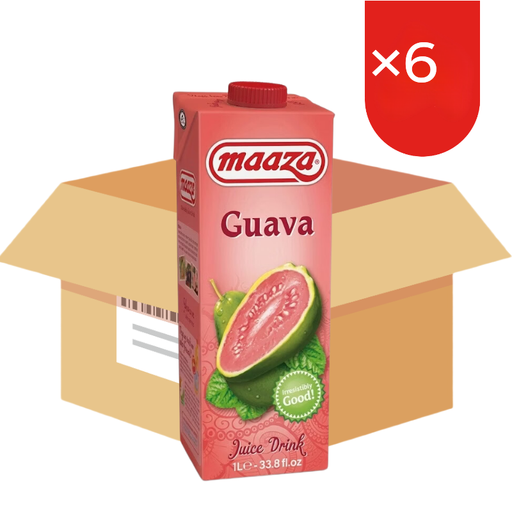
Why it suits this profile: The pack contains six 1-litre bottles, making it a convenient choice for keeping a supply at home for several drinking occasions.
The 17% fruit content and nutritional values of 46 kcal and 11 grams of sugars per 100 ml are stated, allowing you to take the sweetness into account.
Guava flavour, a large multipack and, according to the product information, no declared allergens.
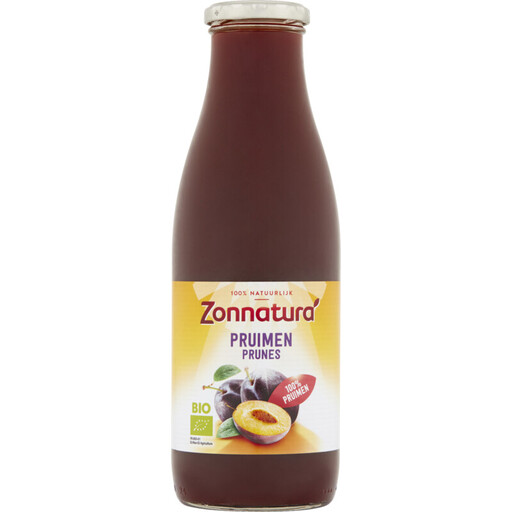
Why it suits this profile: If you are looking for an organic drink with a clear, concise ingredients list, this offers an alternative to sweet tropical fruit drinks.
The product information states that it contains 100% organic plums and 81 kcal per 100 ml, making it clear that this is not a sugar-free drink.
Organic product, 750 ml capacity and, according to the description, free from the 14 main EU allergens.
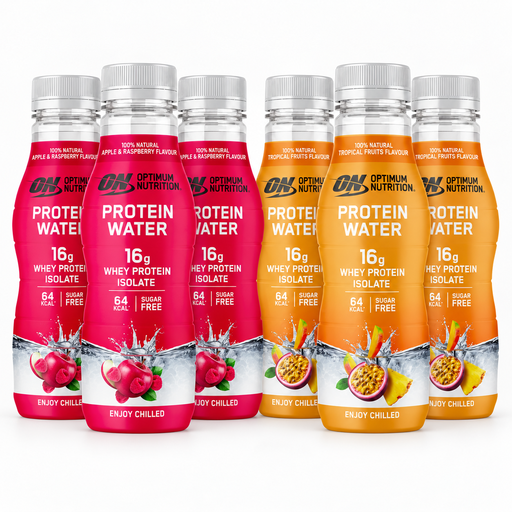
Why it suits this profile: For sporty users looking for a light fruit drink with protein, without having to mix powder.
The information states that each bottle contains 16 grams of protein, 0 grams of sugar and 64 kcal. However, note that it contains milk protein.
Two flavours in one bundle, 350 ml per bottle and ready to drink.

Why it suits this profile: The small cans are easy to serve chilled and appeal to anyone who enjoys a distinctive sweet-and-sour passion fruit flavour.
The packaging states that it contains 30% passion fruit juice, no added sugar and 17 kcal per 100 ml. This makes it easier to compare than relying on the front of the pack alone.
12 cans of 330 ml, ready to drink and, according to the product information, with no declared allergens.
If you want to try several flavours, you can choose a smaller pack or variety pack. For regular consumption at home, larger bottles or multipacks are often more practical. When looking at a fruit drink offer, do check the price per litre or per 100 ml, rather than just the discount shown on the packaging.
We have put together a complete, up-to-date list of products that fully meet these strict selection criteria and the applicable European safety regulations.
Fruit juice consists of juice from fruit, which may be made from concentrate. A fruit drink may also contain water, sugar, sweeteners, flavourings, milk ingredients or other ingredients. Always check the ingredients list and fruit percentage.
No. “No added sugar” means that, according to the product information, no sugar has been added to the recipe. Fruit can naturally contain sugars. Therefore, check the line “of which sugars” and look out for any sweeteners.
This varies from product to product. Follow the storage advice on the packaging. Many fruit drinks need to be refrigerated after opening and consumed within a few days or the stated period. Close the bottle securely and check the smell, taste and packaging before drinking.
