
Vandaag of morgen in huis

Kwaliteit gegarandeerd

Welkomstaanbiedingen ontgrendelen: GRATIS bezorging | Tot 80% korting | Gratis 30 dagen JoyPlus-proefperiode
Download de app
Fancy tropical fruit drinks, but unsure whether to choose coconut water, mango drink, passion fruit drink or an Asian soft drink? Many products look similar online. However, the differences in ingredients, sugar content, fruit percentage and pack size can be significant.
Pay particular attention to these three common pitfalls:
Below, I’ve set out the most important buying criteria and matched different products to familiar usage scenarios.
Ingredients are listed in descending order by weight. If water or sugar appears first, the drink consists largely of that ingredient. With coconut water, the difference is clear:
The same applies to fruit drinks. The Iam Superjuice mango, passion fruit and pink guava flavours each state 30% fruit juice. Mela Watermelon Original lists 99% watermelon juice, while the pineapple variant contains 94% watermelon juice and 5% pineapple juice.
A high fruit percentage may mean a more intense fruit flavour, but on its own it says nothing about your personal taste preference or the drink’s overall nutritional value.
Always compare products per 100 ml, rather than just per can or bottle. This allows you to compare different pack sizes fairly.
Examples from the product information:
No added sugar does not automatically mean sugar-free. Fruit juice naturally contains sugars. So check both the ingredients list and the nutrition table.
A 330 ml can is convenient for a single serving. A 1-litre bottle is better suited to several glasses at home, but it must be refrigerated after opening and consumed promptly according to the packaging. A tray of 12 cans is practical for a household, event or catering use, but only makes sense if you already know you like the flavour.
Also consider the texture:
Also check the allergens and current packaging. Online product information may change; the label on the packaging remains the definitive source.
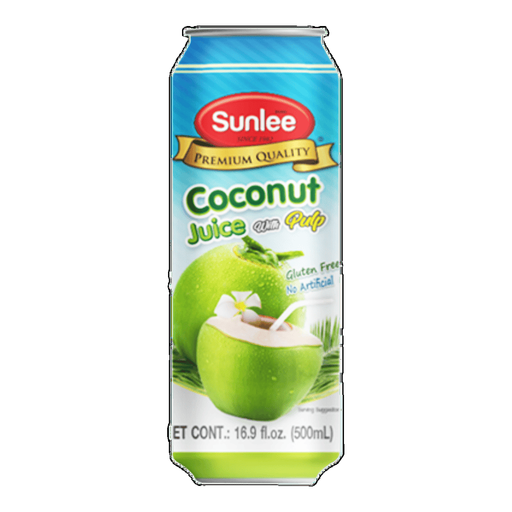
Why it suits this profile: A single can is ideal for trying a coconut drink with pulp without committing to a multipack straight away.
The ingredients and nutritional values can be checked in advance: the product lists sugar and 6.4 grams of sugar per 100 ml.
485 ml, young coconut flesh and, according to the product information, gluten-free and free from artificial colourings.

Why it suits this profile: Ideal for anyone looking for coconut water with clear product specifications and a supply of individual servings.
The product description states that it contains no added sugar, plus 100% coconut water and 2% coconut pieces. Always check this on the current packaging.
12 cans of 330 ml; according to the product information, vegan, gluten-free and free from reported major allergens.

Why it suits this profile: A tray is handy for households, offices, catering or fans who like having a regular mango drink with meals.
The pack contains 12 identical cans. According to the product description, the drink contains 30% mango juice, no added sugar and 17 kcal per 100 ml.
3.96 litres in total, 330 ml per can and suitable for serving chilled or over ice.
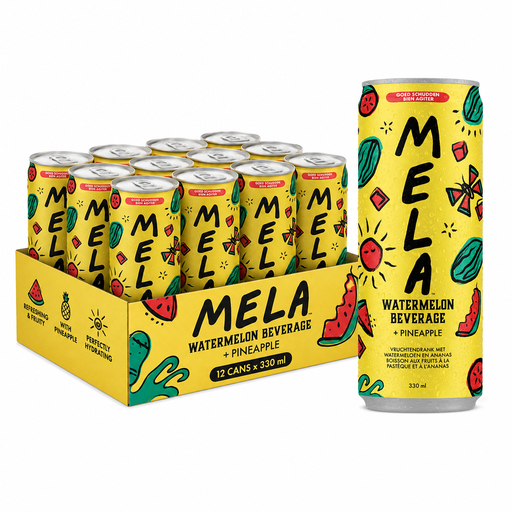
Why it suits this profile: A combination of watermelon drink and pineapple juice for anyone looking for something beyond a standard tropical soft drink.
The fruit percentage is clearly specified: 94% watermelon juice and 5% pineapple juice. The listed ingredients also include cane sugar.
12 packs of 330 ml, pasteurised according to the product information and intended to be served chilled.
We’ve put together a complete, up-to-date list of products that fully meet these strict selection criteria and the applicable European safety regulations.
If you enjoy a distinctive, refreshing sharpness, consider Iam Superjuice Passionfruit Drink, with 30% passion fruit juice and 12 cans of 330 ml. Iam Superjuice Pink Guava also states 30% fruit juice and no added sugar according to the product description.
For coconut fans who prefer a firmer texture, Foco Roasted Coconut Juice and KATO Coconut Juice with Nata de Coco are interesting alternatives. Foco states that it contains 80% roasted coconut water, while KATO combines coconut juice with 15% nata de coco. If you’d rather buy a bottle for several glasses, consider Bamboo Tree Coconut Water 1 L.
Coconut water is the liquid part of the coconut. Coconut drink may also contain water, sugar, flavourings, coconut flesh or nata de coco. So check the ingredients and the percentage of coconut water.
No. Fruit naturally contains sugars. “No added sugar” means that, according to the product information, no extra sugar has been added to the recipe. Check the total sugar content per 100 ml.
Keep opened drinks refrigerated and seal the packaging properly. Consume them within the period stated on the label. Store unopened cans and cartons according to the instructions on the packaging, away from heat and direct sunlight.
